

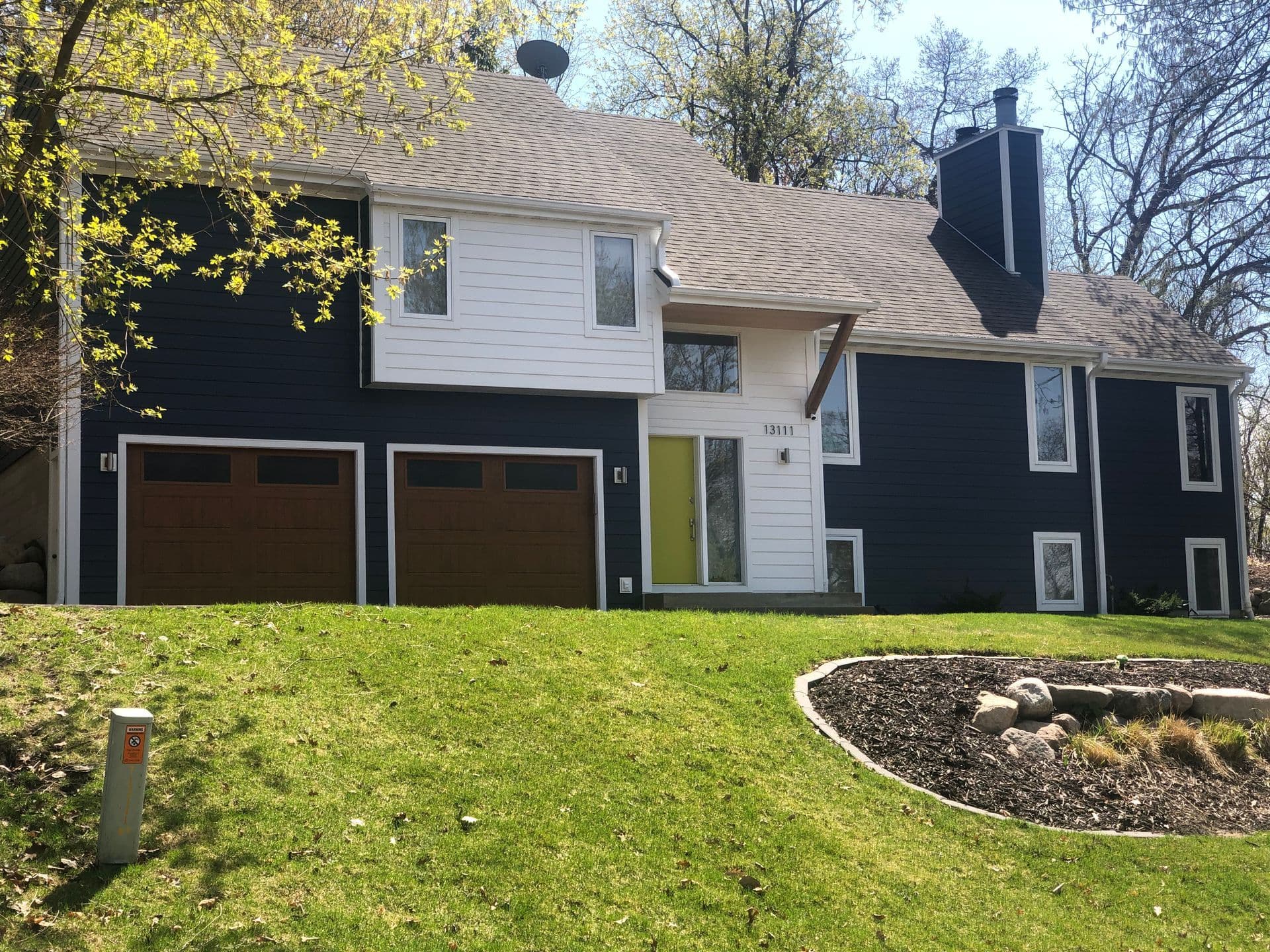
Every August I get the same call. Somebody's been thinking about siding since spring, they've finally decided, and they want to know whether they missed the window.
Usually the answer is no — but the honest version has some conditions on it, and they're the kind that get glossed over by whoever's trying to book the job.
The short answer
Late spring through early fall — roughly May through October — is the best window to replace siding in Minnesota. The sweet spot is late August through mid-October: stable temperatures, low humidity, and crews that have worked out the season's kinks.
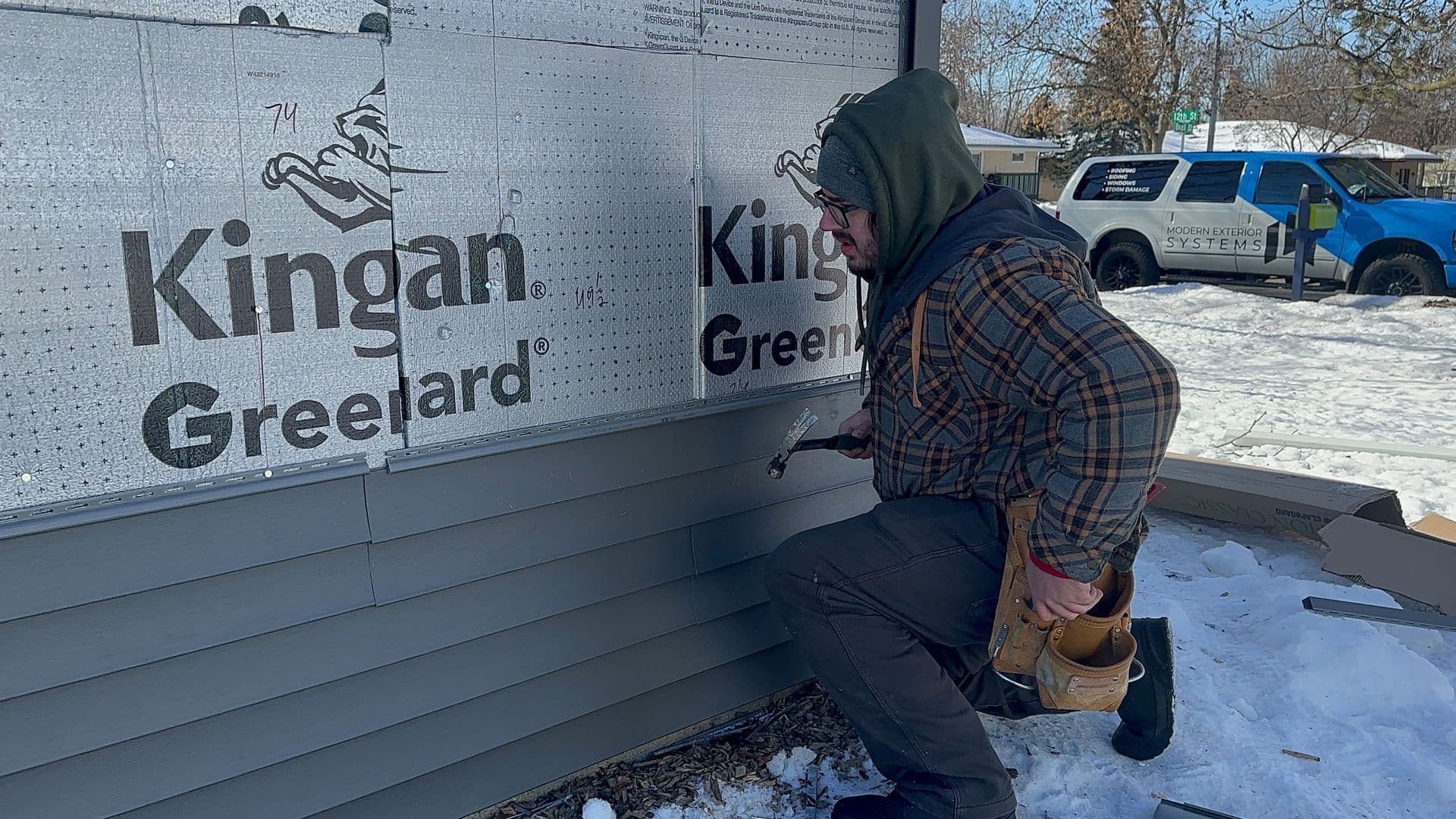
Yes, you can install siding in winter here. I do it. But some materials handle cold far better than others, and the schedule needs honesty built into it.
Why the shoulder season is actually the best time
Most people assume summer is prime siding season. It's the busiest, which isn't the same thing.
Late August to mid-October is the quality window. Temperatures are moderate, the humidity has broken, and the ground and walls are dry. Materials behave predictably. Nobody's fighting 95° heat on a south wall or racing a thunderstorm with the wall open.
There's a scheduling advantage too: after the roofing rush thins out, siding crews have more room, and you're not competing with every storm-damage job in the metro for a spot on the calendar.
Spring is good with an asterisk. April and May can be genuinely wet here, and open walls plus rain is the one combination I don't like. Spring jobs get rescheduled more.
What actually changes when it gets cold
This is where the real answer lives. Siding in the cold isn't impossible — it's a different job with different rules.
Materials get brittle. Vinyl is the big one. In deep cold, vinyl gets noticeably brittle and can crack on impact — a dropped panel, a hammer tap in the wrong place. It also contracts, which changes how much expansion gap you need to leave. Vinyl installed tight on a January morning will buckle the first 80° day in June if whoever installed it didn't account for the swing.
Fiber cement is unforgiving. James Hardie is already brittle before it's fastened, and cold makes it more so. Cutting and handling in freezing temperatures raises the breakage rate, and breakage on a job site means either waste or, worse, a hairline crack nobody notices.
Sealants and caulks have temperature floors. Most exterior sealants have a minimum application temperature, and below it they don't cure properly. This is the one that quietly causes problems later — caulk that never really set at the window flashing is a leak you find two winters from now.
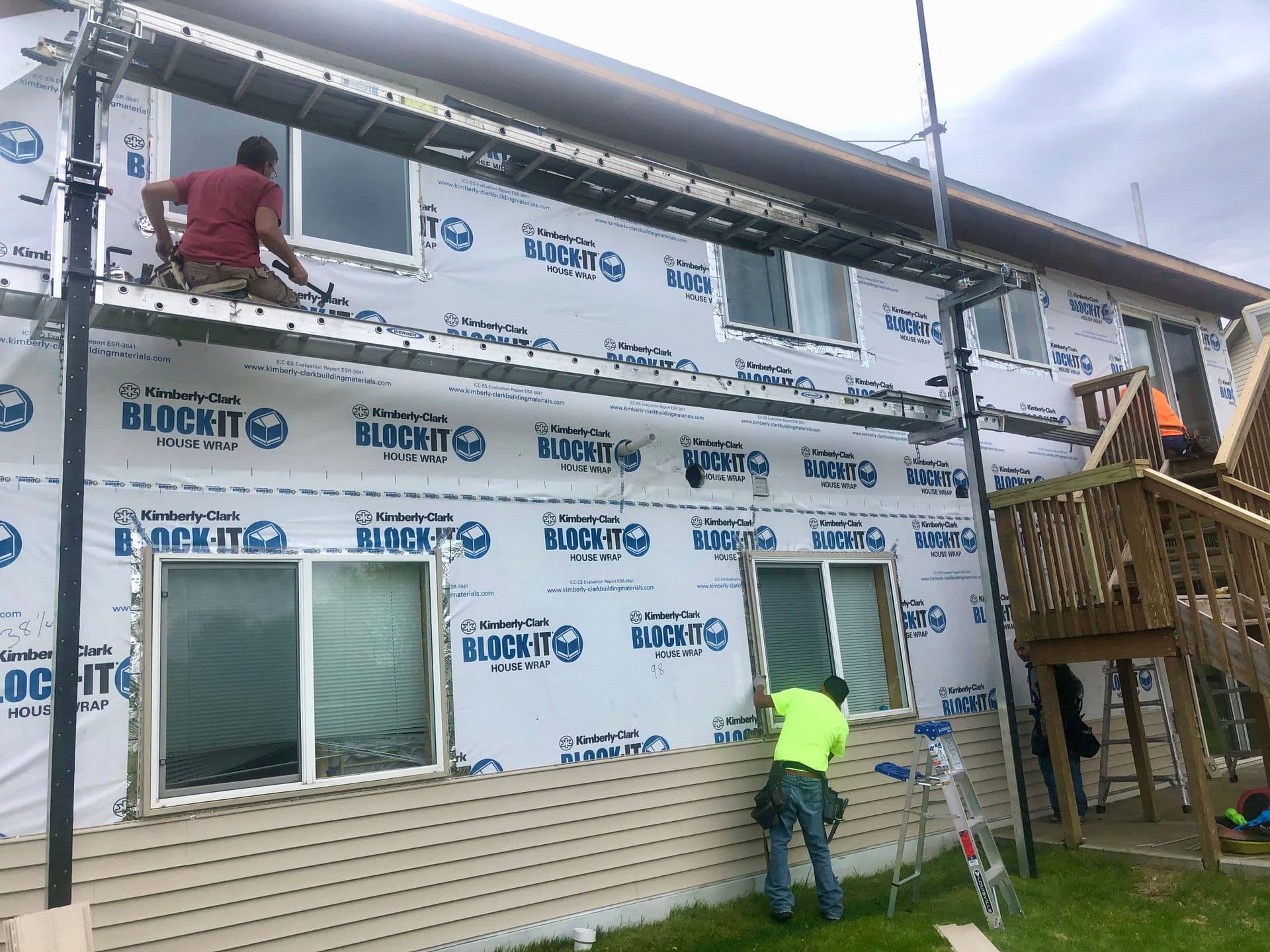
Housewrap tape doesn't want to stick. Adhesives lose grab in the cold. A weather barrier is only as good as its seams.
Daylight runs out. In December we're losing usable light by 4:30, and a wall you can't finish is a wall you have to detail-and-cover overnight. Jobs take longer, which is a real cost.
What I will and won't install in a Minnesota winter
Straight from how I actually schedule it:
| Material | Winter install? | The honest note |
|---|---|---|
| LP SmartSide | Yes, generally the best cold-weather option | Engineered wood handles cold handling well; it's what I'd choose for a January job |
| EDCO steel | Yes | Steel doesn't get brittle in cold; cutting and forming are fine |
| James Hardie | Case by case | Doable, but breakage risk rises and I'd rather wait if the wall can wait |
| Vinyl | Reluctantly, and not in deep cold | Brittleness plus expansion-gap math is where winter vinyl problems come from |
Anything with a sealant-dependent detail needs a temperature check on the day, not a promise made in October.
The one thing I won't do: open more wall than we can close and detail the same day. That's true year-round and non-negotiable in winter.
The real question: can your wall wait?
Timing advice assumes you have a choice. Sometimes you don't.
If you have active water intrusion, storm damage, or rot — that's not a seasonal decision. An open failure through a Minnesota winter does more damage than a careful cold-weather install ever will. We'll wrap and detail it properly and get it done.
If the siding is simply tired — faded, chalky, dated, but sound — that wall can absolutely wait until spring, and you'll get a better job and more scheduling flexibility.
If you're in the first category because of hail, our siding hail damage insurance claims guide covers the claim side, including the matching problem that catches people off guard.
When to call to hit the window you want
Lead time is the part people underestimate. Working backward:
- Want it done before freeze-up? Call by early September. Between quoting, color selection, material lead time, and the install itself, that's not a generous runway.
- Want the shoulder-season sweet spot? Call in mid-summer for a September or October slot.
- Want first crack at spring? Call over the winter. Spring calendars fill in February and March, and the people who booked in January get the dates they wanted.
Color selection is the step that eats the most calendar. Homeowners take two weeks deciding on a color more often than not — which is fine, it's a 25-year decision, but build it into your timeline. Our best siding colors for Minnesota homes guide will get you narrowed down faster.
Joe's note
Be careful with off-season discounts, and be more careful with the reasoning behind them.
A genuine winter-schedule discount exists — crews need work, and a contractor may price accordingly. That's legitimate. What isn't legitimate is a discount that quietly comes out of the job: skipping housewrap detail because tape won't stick, caulking below the sealant's temperature floor, or leaving vinyl gapped wrong because it's cold and everyone wants to go home.
If you're getting a winter price, ask exactly what's different about a winter install and listen for whether the answer includes any technique changes. A contractor who says "nothing's different" in a Minnesota February either hasn't done it or isn't telling you.
Frequently Asked Questions
What is the best time of year to replace siding in Minnesota?
Late spring through early fall, with late August through mid-October the sweet spot — moderate temperatures, low humidity, dry walls, and more scheduling availability after the roofing rush. Spring works too, but April and May bring rain delays that matter when walls are open.
Can you install siding in winter in Minnesota?
Yes, with material-specific caveats. LP SmartSide and EDCO steel handle cold installation well. James Hardie gets more brittle and breakage risk rises. Vinyl is the most cold-sensitive — it can crack on impact and requires different expansion-gap allowances. Sealants and housewrap tapes also have minimum application temperatures that have to be respected.
How cold is too cold to install siding?
There's no single cutoff — it depends on the material and the specific products in the assembly. The practical limits usually come from sealants and adhesives, which have published minimum application temperatures, rather than from the siding panels themselves. That's why a good winter install plan checks the day's forecast, not just the month.
Is siding cheaper to install in the off-season?
It can be. Crews have more availability in late fall and winter, and pricing may reflect that. Just make sure the savings come from scheduling and not from skipped steps — sealant applied below its temperature range or housewrap seams that won't hold are the kinds of shortcuts that don't surface for a couple of years.
How long does a siding replacement take?
Most Twin Cities homes run several days to about two weeks depending on square footage, how much trim and flashing detail is involved, and whether there's rot repair once the old siding comes off. Winter jobs run longer because of shorter daylight.
Should I replace siding and roofing at the same time?
If both are due, doing them together makes sense — one mobilization, one set of staging, and you get to choose the roof and siding colors as a pair instead of matching new to old. If only one is failing, do that one; there's no penalty for staging the work across seasons.
Ready to talk?
Ready for real pricing on your project? Call Modern Exterior Systems at (952) 206-6339. Free measurement, honest numbers, no pressure.
Modern Exterior Systems installs LP SmartSide, James Hardie, EDCO steel, and vinyl siding across Eden Prairie, Minneapolis, and 90+ Twin Cities communities. I'll come to your home, measure everything, and give you a detailed written quote — line by line, not a lump number. No high-pressure sales. No same-day close. Call 952-206-6339 or request your free estimate online.
Modern Exterior Systems is a women-owned, family-operated roofing and exterior contractor based in Eden Prairie, MN, serving the Twin Cities metro. Owner Joe Dvorak brings two decades of hands-on construction experience, CertainTeed ShingleMaster and Malarkey Emerald Pro certifications, and a LIFETIME workmanship warranty to every project. BBB A+ rating.