


Who removes ice dams in Minneapolis?
Modex steams ice dams off Twin Cities roofs without chipping, prying, or salt-bombing — the three field shortcuts that wreck shingles in February and leave you with a worse problem in April. Same-week response on active leaks, $250 to $1,500 for emergency steam removal. We also install the prevention stack homeowners ask about in May — heat cable, attic ventilation, and insulation retrofits that break the freeze-thaw cycle for good. Free assessment, MN License BC762305.
Updated July 2026 · Reviewed by Joe Dvorak, Owner, Modern Exterior Systems
When to call
Most ice dams aren't emergencies. Some are.
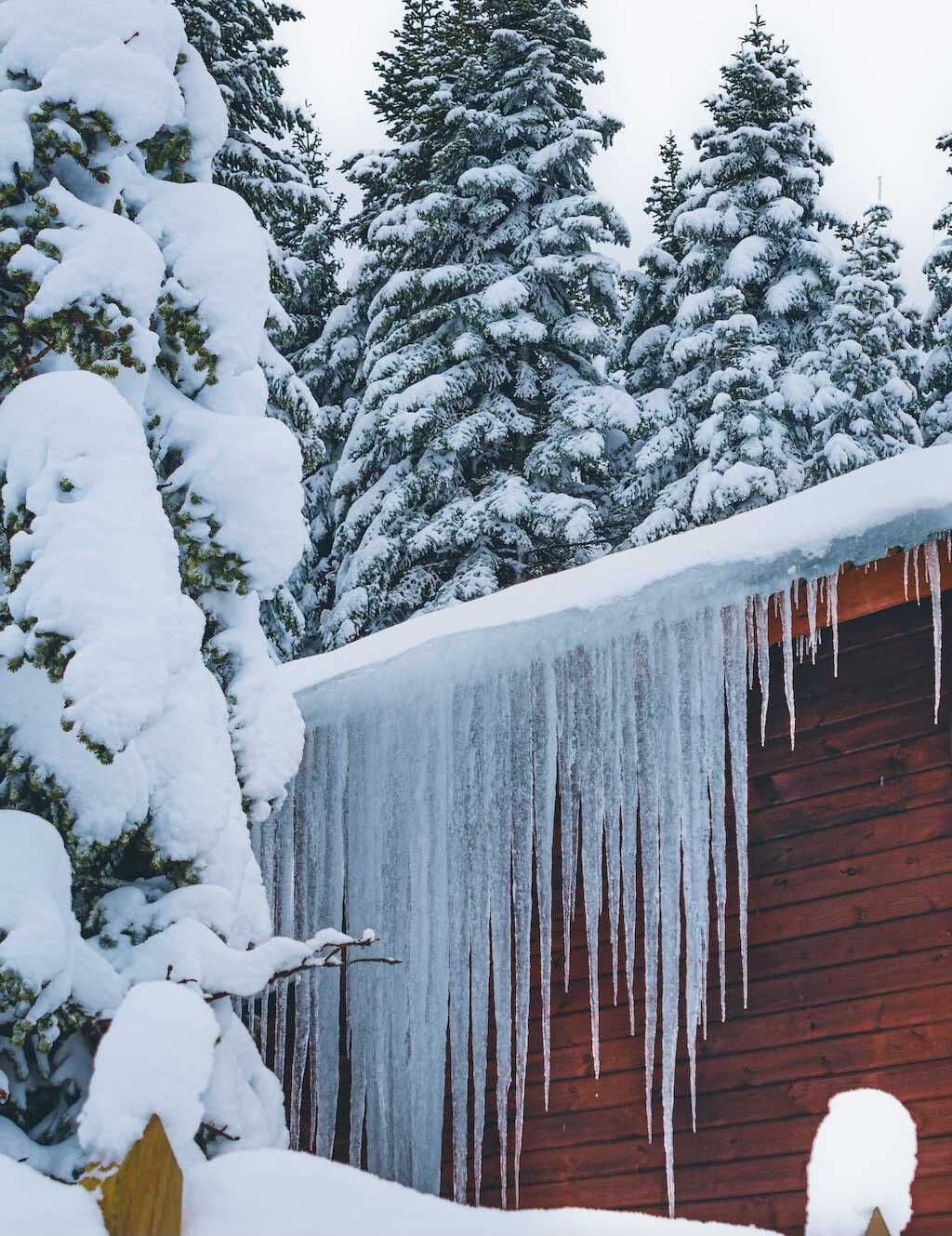
Icicles hanging from your gutters in January don't need a same-day truck. Active water staining your ceiling, dripping behind a window, or beading on the inside of a wall does — that water is already past the underlayment and it doesn't stop on its own. Call us, tarp interior contents away from the dripline, and don't climb a snow-packed roof to chip ice with a hammer. We've seen what hammers do to shingles in February, and the spring repair is always worse than the original ice dam.
Active interior dripping or staining — call same day
Visible ice dam but dry interior — schedule this week
No leaks but recurring dams every winter — book the May–September prevention assessment
Removal methods
Steam vs chipping vs salt
Three ways ice dams come off a Twin Cities roof. Only one of them leaves the roof alive.
Steam (what we do)
Low-pressure steam melts ice without touching shingles
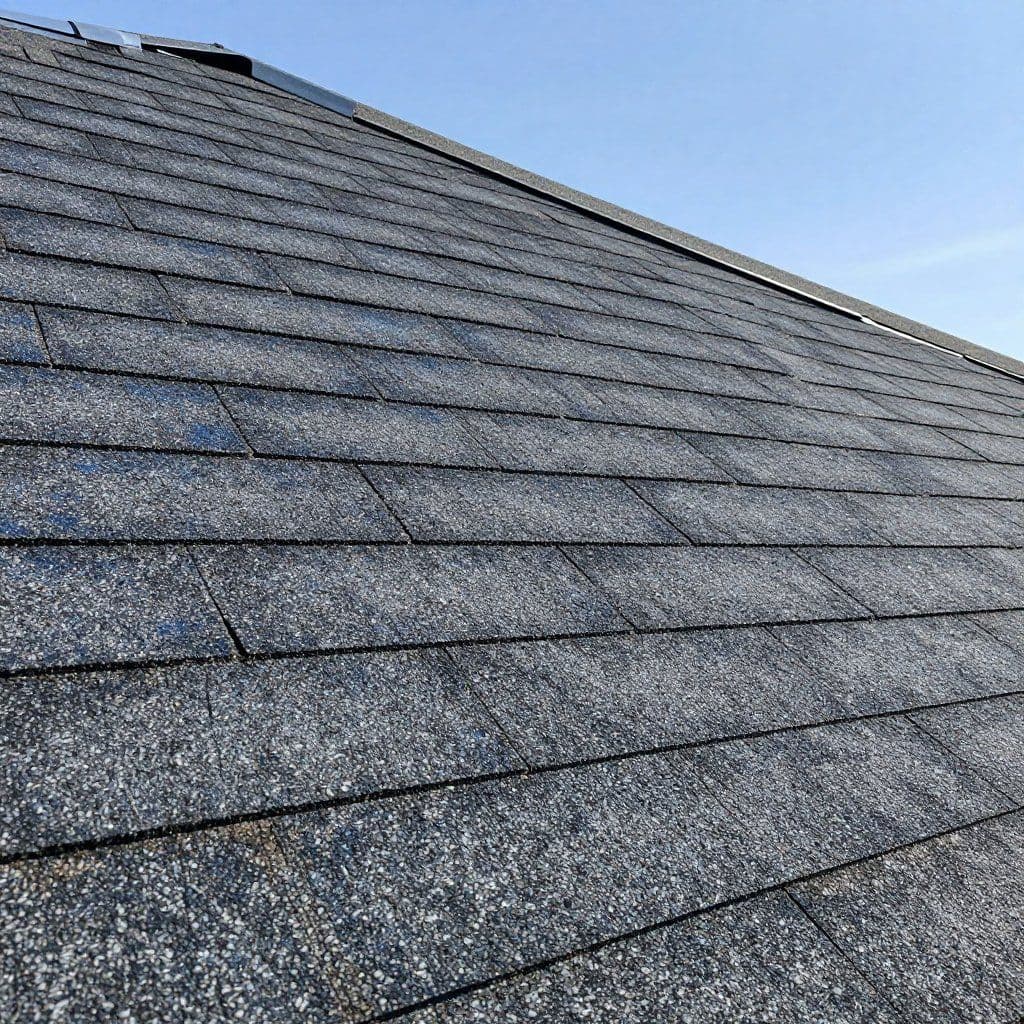
A purpose-built steamer runs about 250°F at low pressure — hot enough to liquefy the dam in minutes, soft enough that the shingle granules stay where the manufacturer put them. No chipping. No prying. No leaks six weeks later from a hairline crack you can't see from the ground. Same-week scheduling once the leak is confirmed.
Chipping / hammers
Breaks ice and shingles together
The cheap-truck shortcut. Hammers, axes, and pry bars knock ice off fast and tear granules, crack tabs, and bruise the mat in the same motion. We see these roofs in spring — they leak in places the original dam never touched.

Salt / calcium chloride
Stains the roof. Rusts the gutters. Kills the plants.
Calcium chloride socks dropped on a dam do melt a channel — and corrode the gutter aprons, run down the siding, and burn the foundation plantings. They're a DIY-hardware-store option, not a service we sell.
Prevention stack
Four ways to keep the dam from forming next winter
Ice dams form because warm attic air melts the snow above the heated part of the roof, then the meltwater refreezes when it hits the cold overhang. Stop the warm air and you stop the dam. Stop the dam and the steamer never gets called.

Heat cable on the eaves
$400–$1,200 installed along the eave and the first three feet of gutter. The cheapest insurance against a February emergency call.

Soffit-to-ridge ventilation retrofit
$2,000–$8,000 to bring the attic to MN code. Cold attic = cold roof deck = no melt-refreeze cycle in the first place. Vented soffit and fascia is the intake half of that system.

Attic insulation upgrade to R-49
The Minnesota code floor for new construction. Most 1990s and older Twin Cities homes are sitting at R-30 or worse — that is the dam.

Ice-and-water shield at re-roof
Extended past the eaves, the way our winters demand. Catches the water if a dam ever forms again — included in every Modex roof replacement.
Pricing
Emergency vs scheduled
Steam off the dam now, or block it from forming next winter. Twin Cities ranges, not national averages.
Emergency steam removal
to $1,500 typical
Same-week scheduling on confirmed active leaks
Low-pressure steam — no chipping, no salt, no shingle damage
Photo documentation of any underlying roof damage
Interior-damage scope handoff to the ice-dam damage repair team if needed
Prevention package
to $8,000 depending on scope
Heat cable install $400–$1,200
Ventilation retrofit $2,000–$8,000
Attic insulation top-off to R-49 (priced with the assessment)
Best booked May–September while the roof is dry
Breaks the recurrence cycle for the long run
What you get
Inside a Modex steam-removal visit
We don't just drop the ice and leave. Every removal call ends with a photo log, a leak path tracedown, and a heads-up on what spring will look like — see Joe's breakdown of why winter roofs pop, crack, and groan for context on the temperature swings driving all of this.
Steam removal of the dam
250°F low-pressure steam, dam clears in 1–3 hours depending on size and freeze depth.

Photo documentation
Roof condition, ice volume, and any underlying shingle damage photographed for insurance and your records.

Prevention recommendation
One-page summary of what caused the dam at your house and what it would take to stop the next one.
Questions
What homeowners actually ask when an ice dam is forming.
Active leak? Call now.
Water already coming through the ceiling doesn't wait for spring. Same-week steam removal across the Twin Cities metro.
About
Modern Exterior Systems serves Minneapolis and the western metro
Modex is a women-owned roofing, siding, and window contractor based in Eden Prairie. We hold five manufacturer certifications (CertainTeed ShingleMaster, Malarkey Emerald Pro, Atlas Pro+, LP SmartSide Preferred, James Hardie Preferred), plus BBB A+ rating, and MN License BC762305. Ice-dam work demands the same honest documentation and roof-first thinking we put into every storm call — steam first, never chip.
Further reading
Deeper writeups on the topics this page covers — written for homeowners by a Twin Cities installer.
April 7, 2026
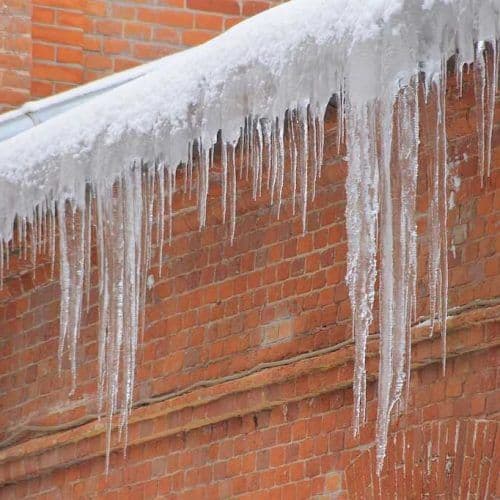
Ice Dam Prevention: What Actually Works in Minnesota (and What Doesn't)
Stop ice dams before they start. A Minnesota contractor explains the real causes, which prevention methods work, and which ones waste your money.
March 21, 2026
Why Does My Roof Make Loud Noises in Winter? A Minnesota Roofer Explains
Minnesota roofer explains why roofs pop, crack, and bang in winter. Learn the difference between normal thermal noises and signs of real problems like ice dams.