


Bow window vs bay window: what's the difference and which is better?
A bay window has three panes — one large center pane flanked by two smaller angled side panes (usually 30° or 45°). A bow window has four to six equal-sized panes that curve outward in a gentle arc. Bay windows project further from the wall and create a deeper interior nook; bow windows span wider and create a softer rounded line. Both add seating space and natural light. We install both — see our window replacement and ProVia windows pages.
Curved
Bow windows curve outward smoothly
A bow window is made of four to five equal-size window units joined at consistent angles to form a gentle curve outward from the wall. This creates a rounded bay extension that works well in living rooms, dining rooms, and bedroom seating areas where a soft architectural curve matters. The typical width runs eight to twelve feet, and the curved design diffuses light evenly across the entire projection.




Angled
Bay windows project outward in angles
A bay window is an angular projection made of three window units—a large center window flanked by two smaller windows set at thirty, forty-five, or sixty degree angles. This creates a flat-paneled bay extension that's more common than bow windows across Twin Cities homes. You'll find them in kitchens, breakfast nooks, and formal living rooms, typically six to ten feet wide, with more focused light coming through the center window.
Three angled window units
Flat-paneled projection outward
More common in Minnesota homes

Window count — bay
Bay
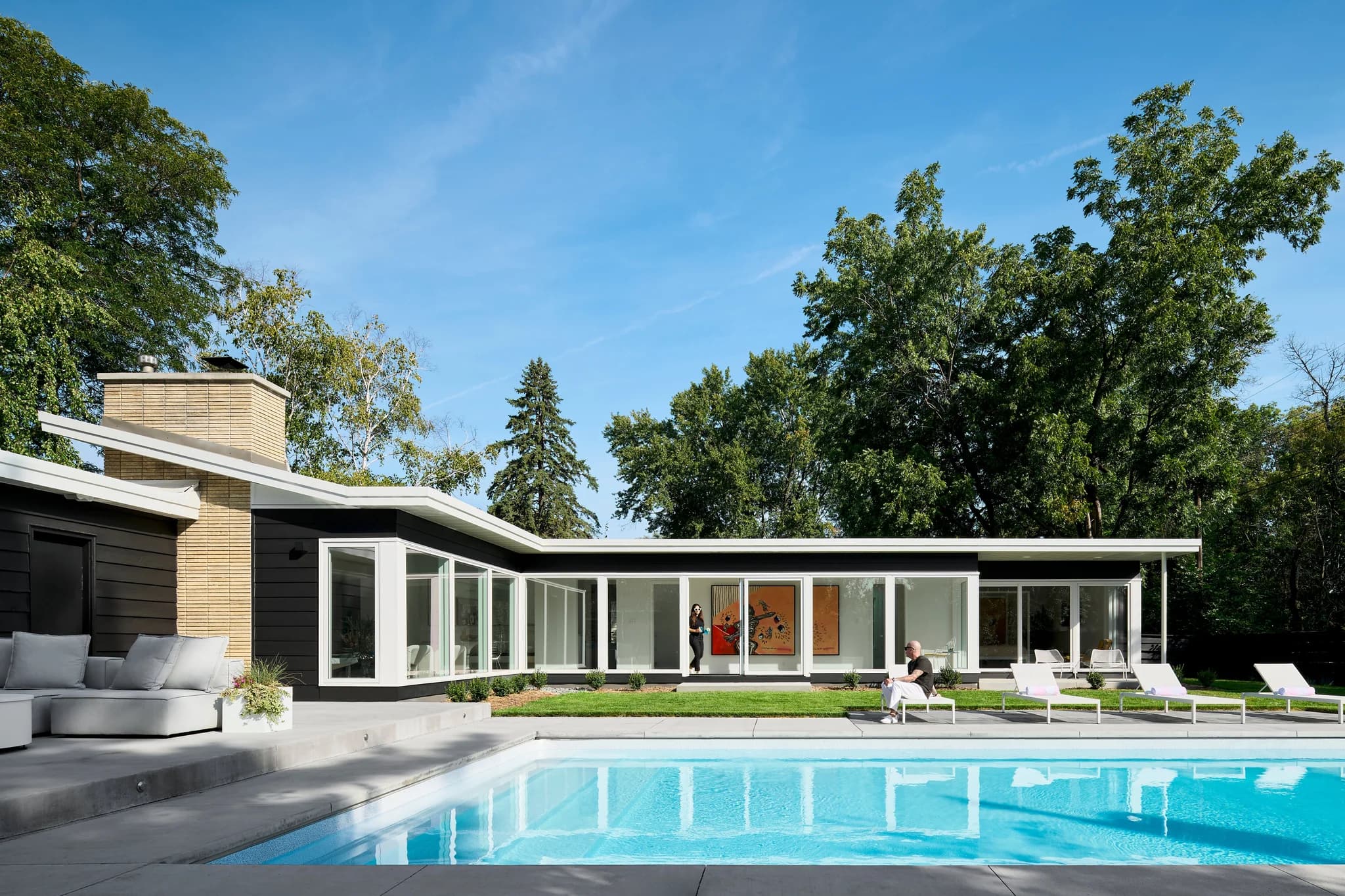
Bay windows use three window units
A bay window is built from three separate window units—one large center unit and two smaller flanking units at angles. This three-unit configuration is standard across most Twin Cities installations.
Window count — bow
Bow
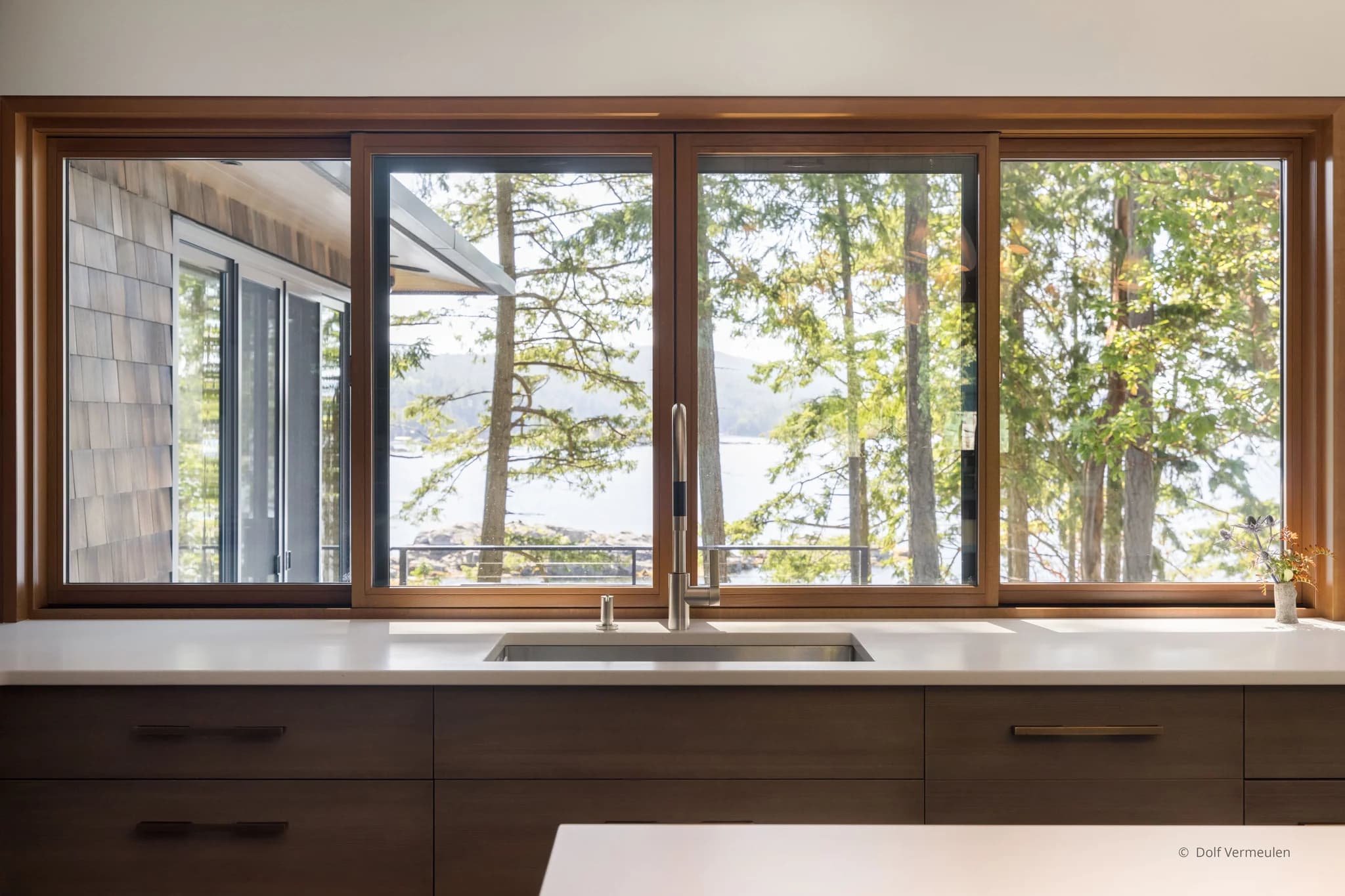
Bow windows use four to six units
A bow is built from four, five, or six equally sized units set at shallow angles. More units means more glass, more frames, and more money — a bow typically runs 30 to 50 percent above a comparable bay.
Projection shape — bay
Bay
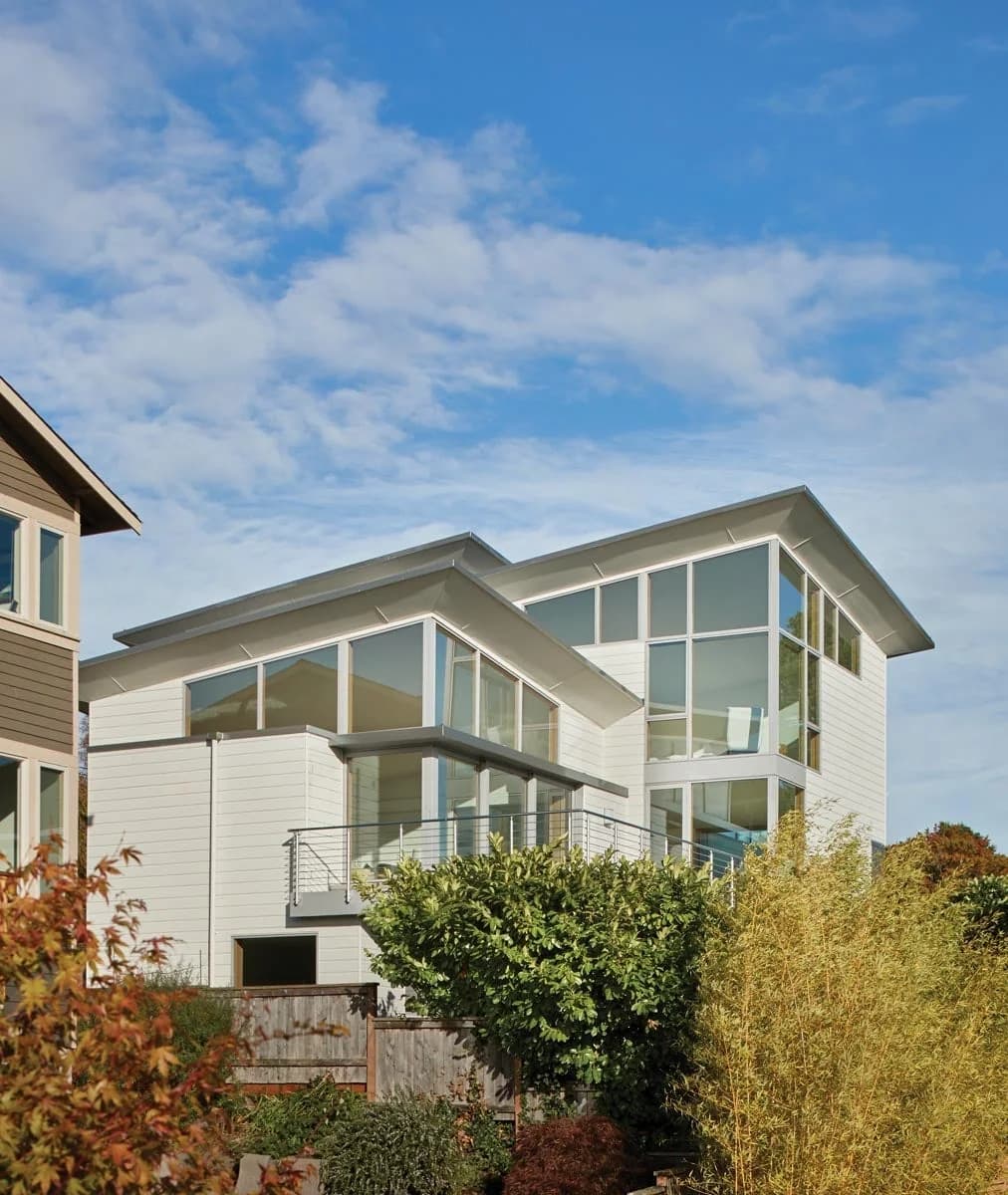
A bay projects in angles
The center unit sits parallel to the wall with the flanking units kicked back at 30 or 45 degrees. It reads as a box pushed out from the house — which is why it suits the Colonials and Tudors across Edina and St. Paul.
Projection shape — bow
Bow
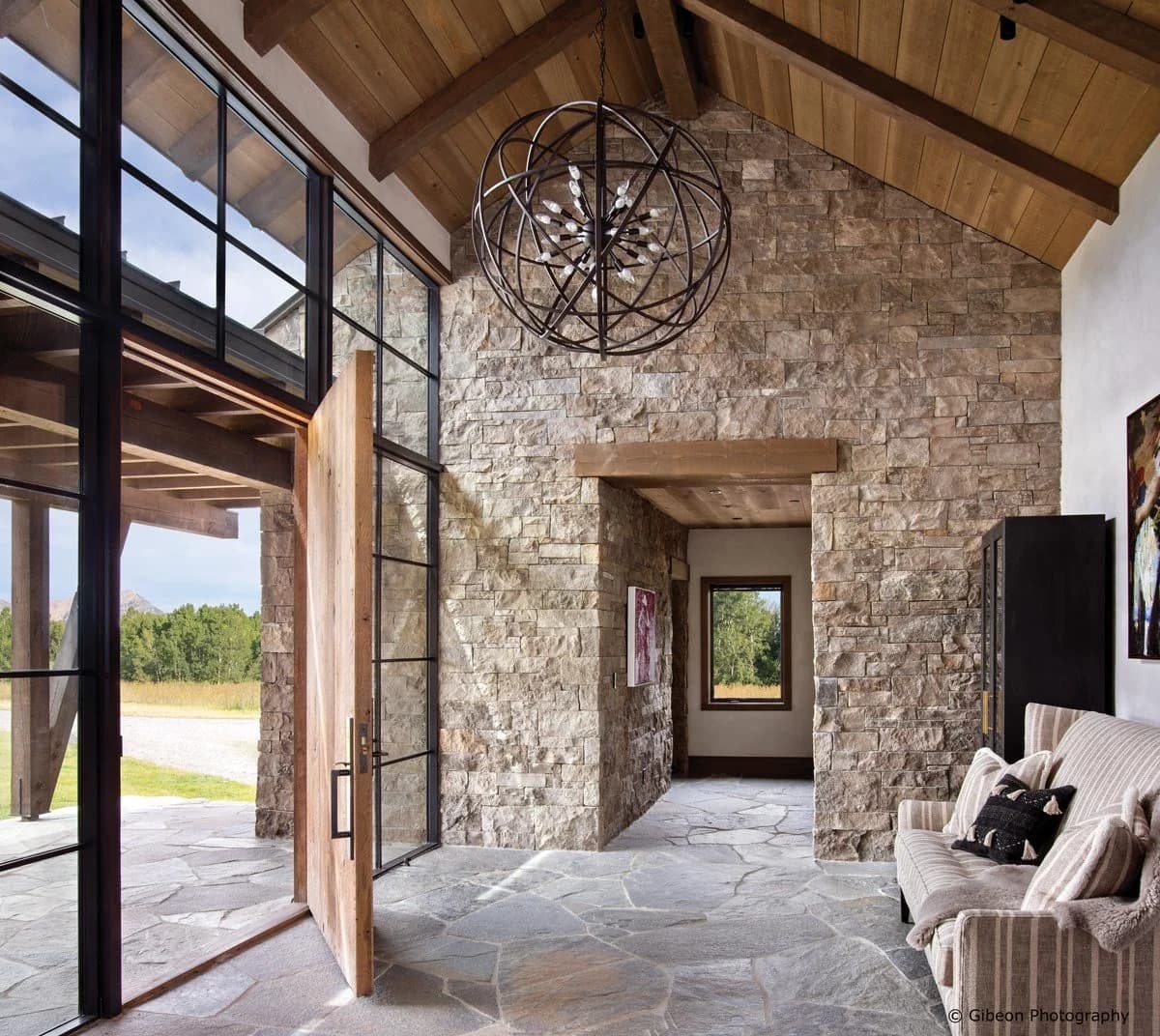
A bow projects in a curve
The shallow angles read as an arc rather than a box, which is the softer, more period-correct look on a Victorian or a turret. It also means more exterior wall to flash, and flashing is where these fail if someone rushes it.
Installation cost
Twin Cities window pricing
Installed cost varies by size and brand
Bay window

$3,000–$8,000
Includes:
Three-unit window assembly
ProVia, Kolbe, or Pella options
Standard structural framing
Triple-pane Low-E glass
Installation labor and trim
Bow window
$5,000–$12,000
More units and labor required
Includes:
Four to five-unit curved assembly
ProVia, Kolbe, or Pella options
Enhanced structural support
Triple-pane Low-E glass
Installation labor and trim
The numbers
Bay vs bow window: full spec comparison
Shape, cost, and structure side by side — what we quote and install against across the Twin Cities.
| Bay window | Bow window | |
|---|---|---|
| Window units | Three — one large center, two smaller flanking units | Four to five equal-size units |
| Projection shape | Angled, flat-paneled (30°, 45°, or 60° angles) | Gentle, consistent curve outward |
| Typical width | 6–10 feet | 8–12 feet |
| Installed cost (Twin Cities) | $3,000–$8,000 | $5,000–$12,000 |
| Cost difference | Typically $2,000–$4,000 less than a bow of the same width | More units, curved assembly labor, often extra reinforcement |
| Roof over the projection | Custom roof required — adds $1,500–$4,000 | Custom roof required — adds $1,500–$4,000 |
| Architecture fit | Traditional, craftsman, Cape Cod, ranch | Victorian, Tudor, contemporary curve-friendly designs |
| Light character | Focused light through the large center window | Diffused evenly across the curve |
| Glass spec for Minnesota | Triple-pane Low-E essential | Triple-pane Low-E essential — more glass area, so it matters more |
| Brands we install | ProVia, Kolbe, Pella | ProVia, Kolbe, Pella |
| Our take for Minnesota | The practical pick — kitchens, breakfast nooks, most MN homes | The pick when the curved aesthetic is the point |
Costs reflect typical Twin Cities installed pricing, 2026. We assess your wall structure during the estimate — call 952-206-6339.
My take
Which window style makes sense for your home
Bay windows fit more architectural styles and cost less—they're the practical choice for kitchens and breakfast nooks. Bow windows make sense when you want that softer, curved aesthetic in a formal living room or a design that calls for a gentle arc.
Bay windows work in traditional, craftsman, Cape Cod, and ranch homes
Bow windows suit Victorian, Tudor, and contemporary curve-friendly designs

Bay typically costs $2,000 to $4,000 less than bow for the same width
Minnesota details
What you need to know about installation here
Both bay and bow windows require structural framing above the projection—ceiling joists, a structural header, and a custom roof built over the extension. In Minnesota winters, ice-and-water shield, proper insulation in the projection cavity, and triple-pane Low-E glass prevent condensation and heat loss.
Structural header and ceiling joist support required above
Custom roof construction adds $1,500–$4,000 to the project
Triple-pane Low-E glass essential for Minnesota cold climate
ProVia windows
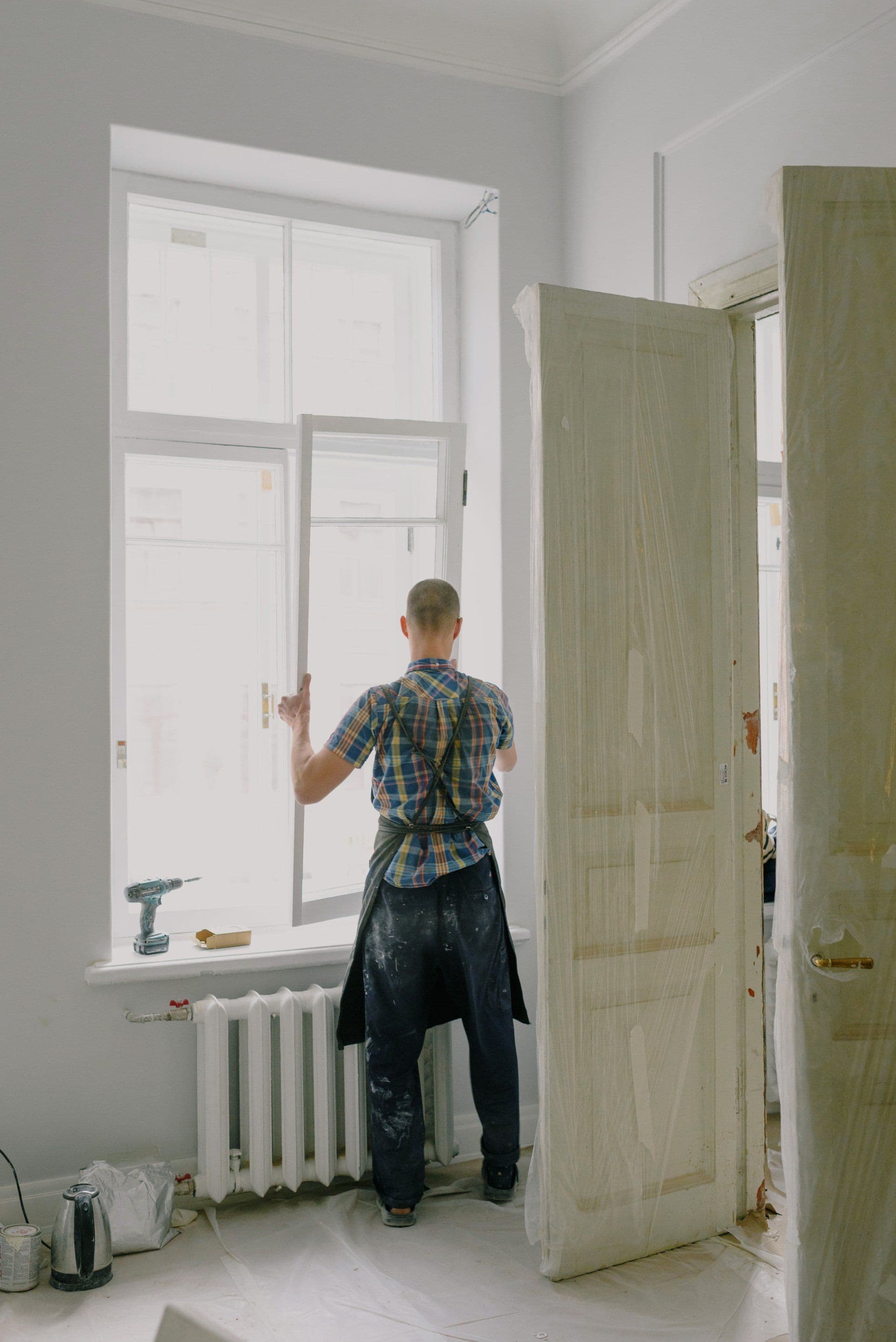
Vinyl and fiberglass
ProVia offers both bay and bow configurations
ProVia vinyl windows are entry to mid-tier pricing. Both bay and bow styles are available, with good energy performance and a range of color options that work well in Twin Cities homes.
Pella windows
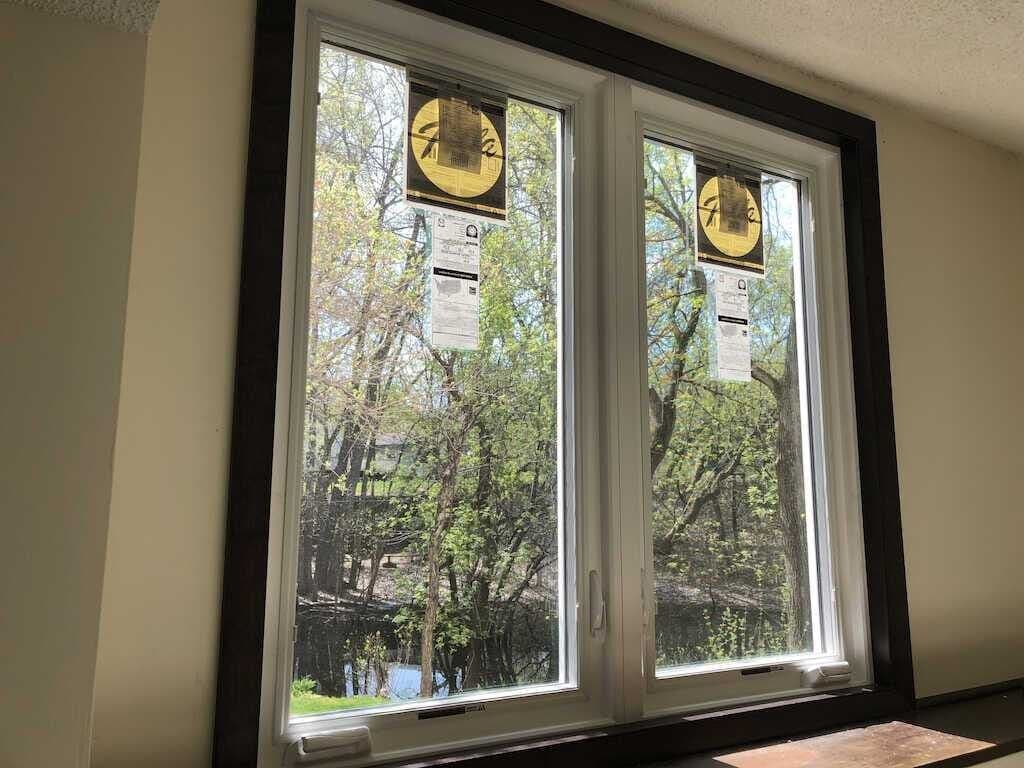
Vinyl through architect-grade
Pella offers the widest range of bay and bow options
Pella has vinyl through high-end architect-grade windows, so you can build a bay or bow at almost any budget level. Their custom options work well for both standard and unique home designs.
Kolbe windows
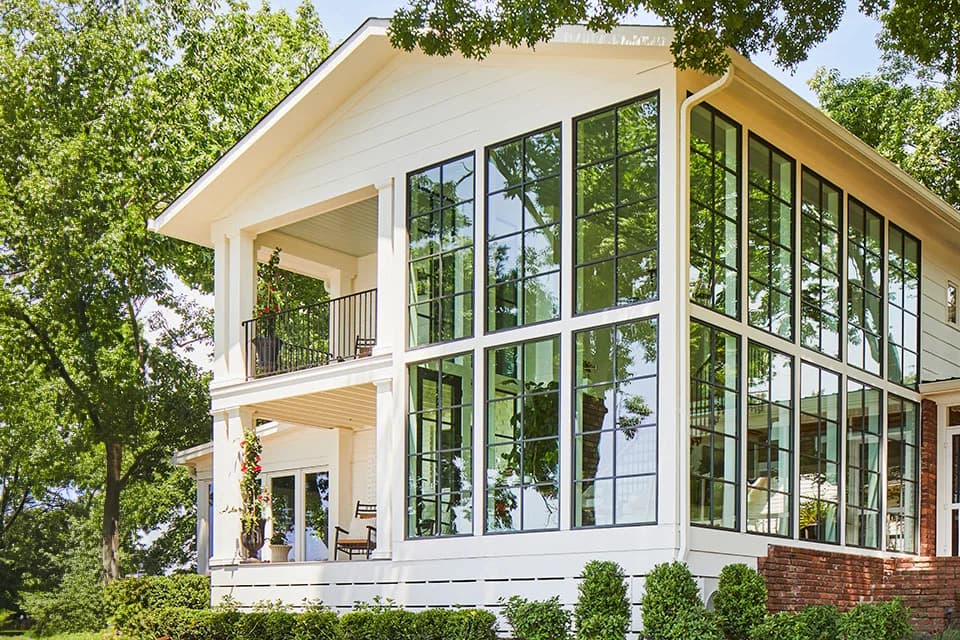
Premium architectural
Kolbe Heritage and VistaLuxe for custom designs
Kolbe Heritage and VistaLuxe are premium options for historic and custom home designs. Both bay and bow configurations are available, with superior craftsmanship and architectural detail.
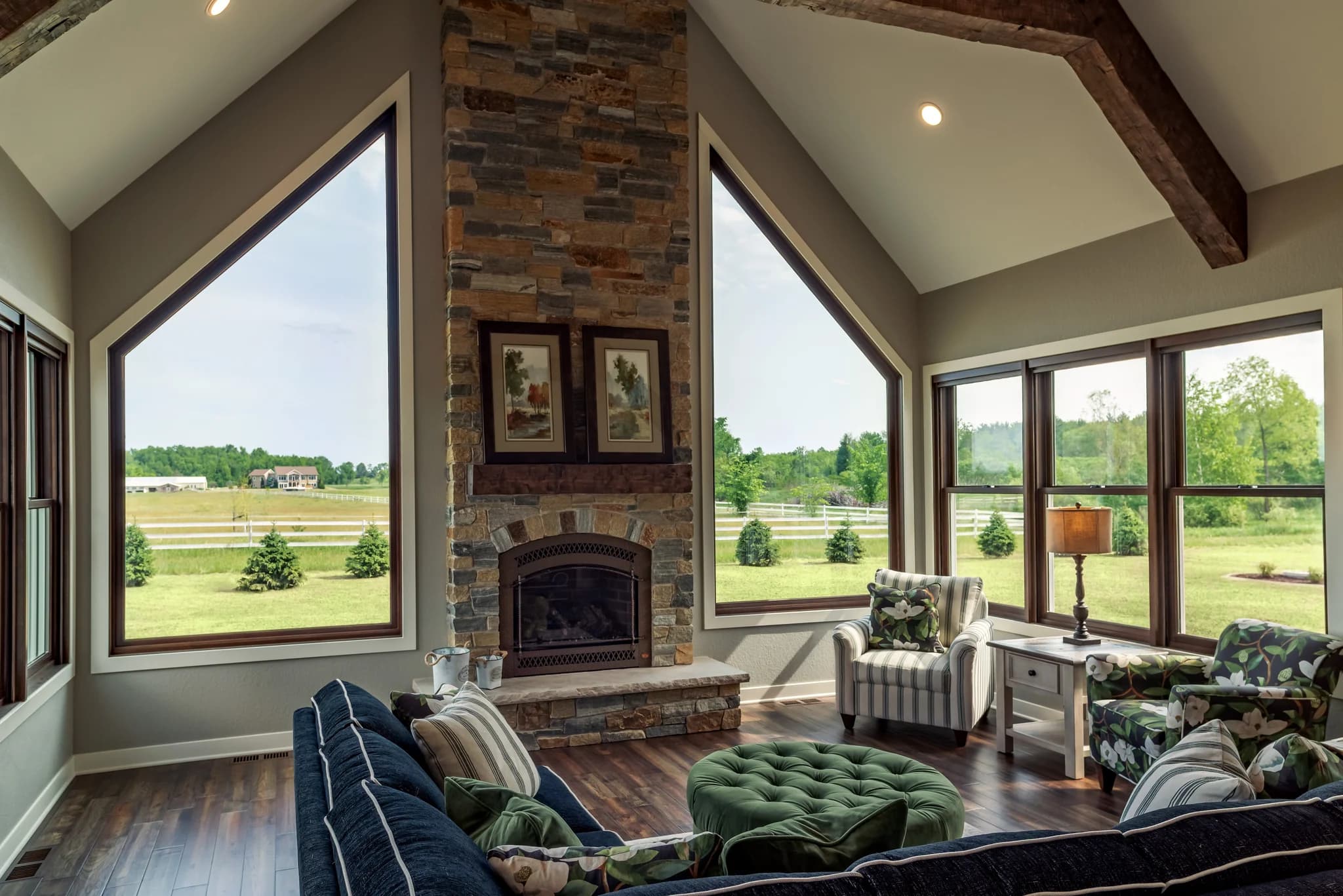
The verdict
So bay or bow — which one fits your house?
Pick a bay window when practicality leads — it costs $2,000–$4,000 less, fits more Minnesota architecture, and works hardest in kitchens and breakfast nooks. Pick a bow when you want the curved aesthetic in a formal room. Either way, budget for the custom roof over the projection and triple-pane Low-E glass.
Kitchen or breakfast nook, budget-aware
Bay window
Three units, $3,000–$8,000 installed, and it fits the traditional, craftsman, and ranch styles that dominate the Twin Cities. Typically $2,000–$4,000 less than a bow of the same width.
Formal living room, curved aesthetic
Bow window
Four to five equal units in a gentle arc, diffusing light evenly across the projection. The right call in Victorian, Tudor, and contemporary designs where the soft curve is the point.
Worried about winter heat loss
Either — spec the glass right
Both lose heat if poorly glazed and insulated. Triple-pane Low-E on every unit, insulation in the projection cavity, and a sealed install are what matter. A bow has more glass area, so high-performance glass matters slightly more there.
ProVia, Kolbe, and Pella bay and bow windows · we assess your wall structure during the free estimate
Frequently asked questions
Get answers to common questions about bay and bow windows
Ready to upgrade your windows?
Modex installs ProVia, Kolbe, and Pella bay and bow windows across the Twin Cities. Call or request an estimate today.
About this page
Reviewed by Joe Dvorak, Owner, Modern Exterior Systems
This comparison breaks down the real differences between bay and bow windows—shape, cost, installation, and which styles fit Twin Cities homes. Updated July 2026.
Further reading
Deeper writeups on the topics this page covers — written for homeowners by a Twin Cities installer.
June 30, 2026
Window Frame Materials: Vinyl vs Fiberglass vs Wood vs Composite in Minnesota
Vinyl, fiberglass, wood, or composite windows for Minnesota? A contractor on which frame survives our winters — and what each costs. 952-206-6339.

June 30, 2026
Insert vs Full-Frame Window Replacement: Which Does Your Home Need?
Insert or full-frame window replacement — which does your home need? A Twin Cities contractor on cost, the catch, and when each wins. 952-206-6339.
June 30, 2026
Foggy Windows: Can You Fix the Failed Seal, or Is It Replacement Time?
Foggy windows in your Twin Cities home — fixable failed seal, or replacement time? A contractor's honest take on defogging vs. new glass. 952-206-6339.

June 30, 2026
Signs You Need New Windows in Minnesota (From a Twin Cities Contractor)
Are your windows actually shot — or just due for a fix? A Twin Cities contractor on the real signs you need new windows in Minnesota. 952-206-6339.