

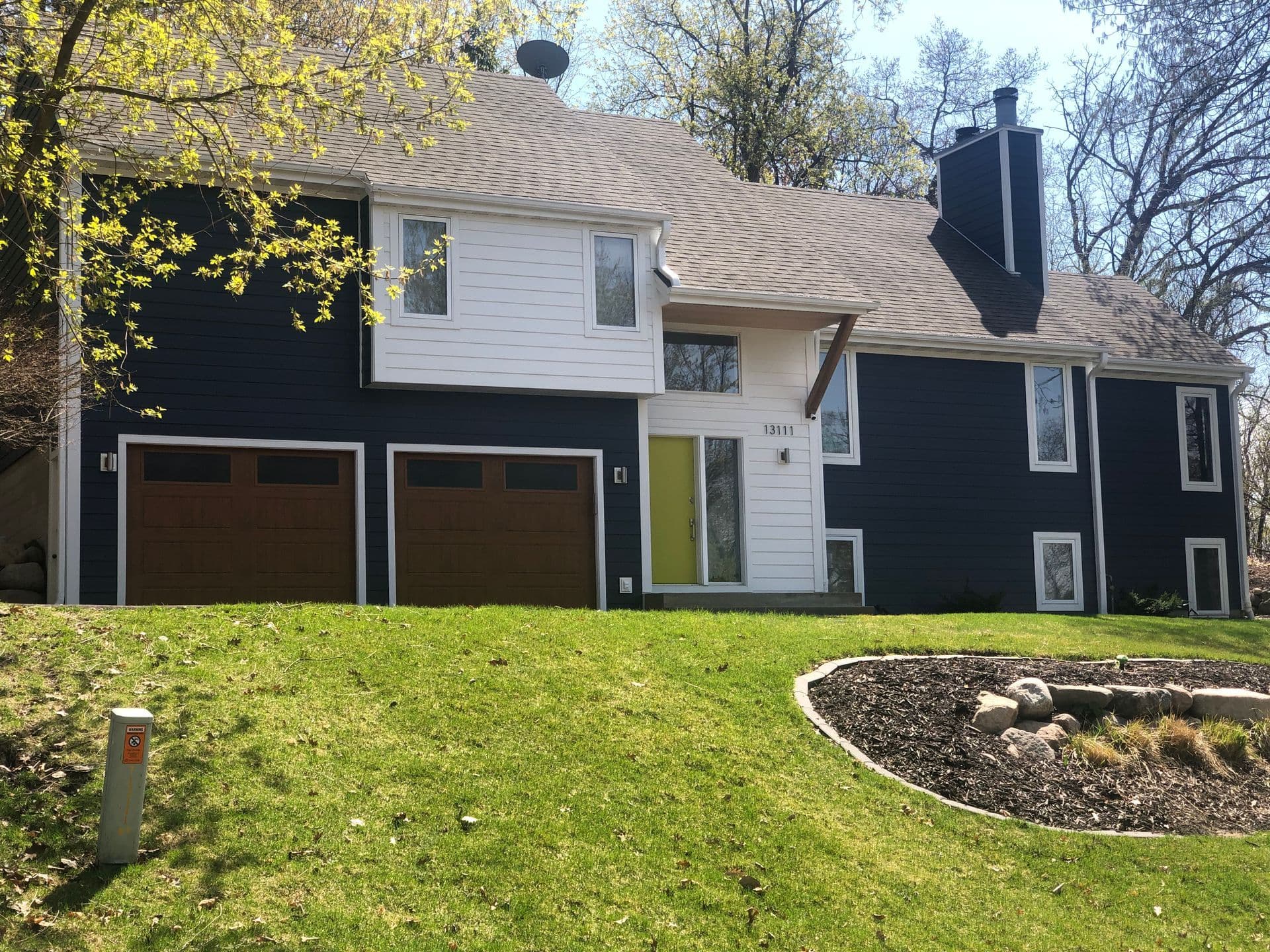
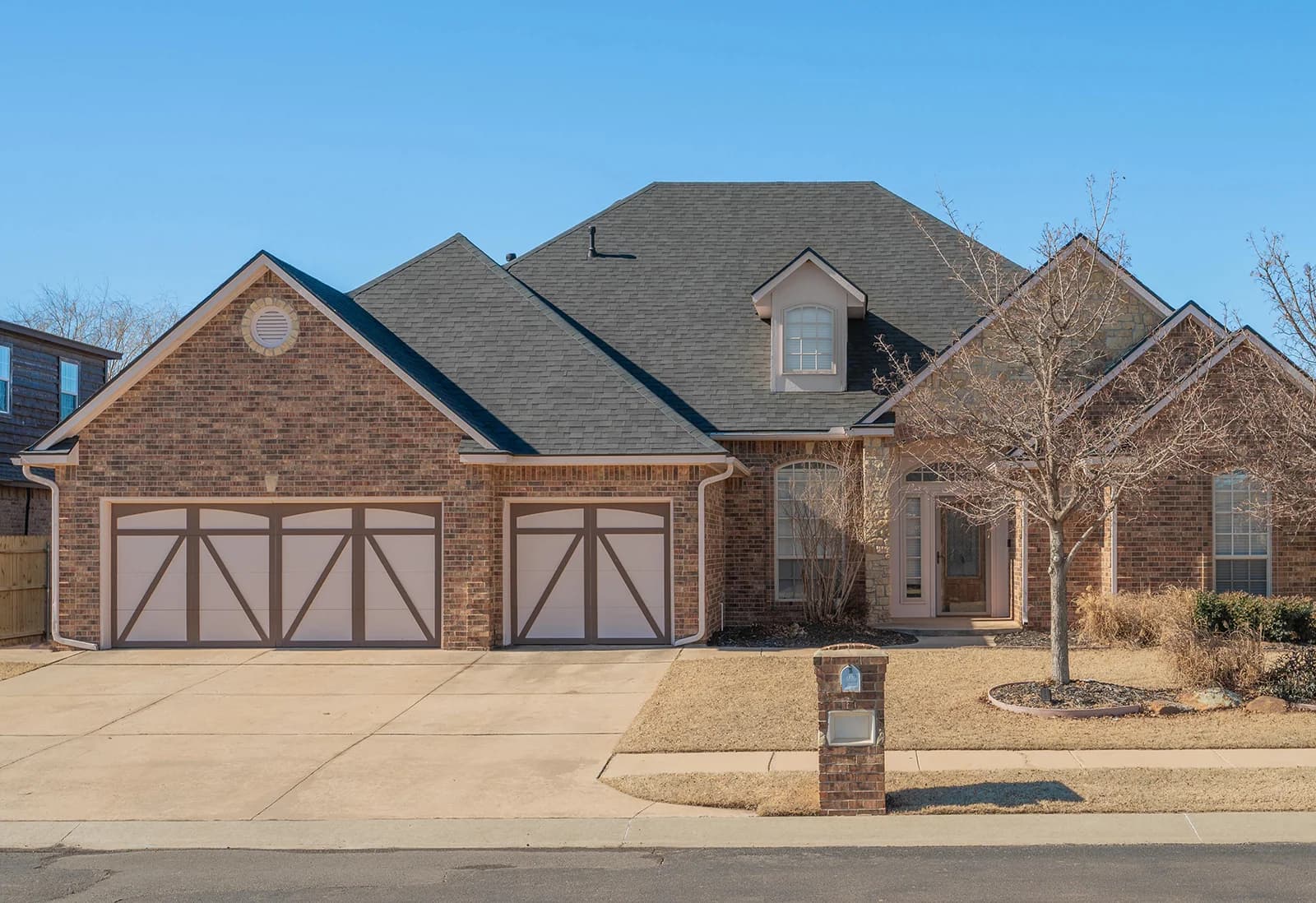
I've installed hundreds of Malarkey roofs across the Twin Cities. Their polymer-modified formula handles our freeze-thaw cycles better than most, and the pricing is fair. But "how much is a Malarkey roof?" isn't a simple answer. It depends on which product line you pick, your roof size, tear-off costs, and whether you're in an easy-access neighborhood or a nightmare geometry situation.
Let me break down the real numbers.
Installed Cost Per Square Foot
Malarkey shingle pricing has climbed with lumber prices and supply chain reality. Here's what you're looking at in 2026:
| Product Line | Per Square Foot | Per Square (100 sq ft) | Impact rating |
|---|---|---|---|
| Highlander® AR (most economical) | $5.50–8.00 | $550–800 | Class 3 |
| Vista® AR (most popular) | $7.00–9.00 | $700–900 | Class 4 |
| Legacy® Scotchgard™ (highest-performing architectural) | $9.00–12.00 | $900–1,200 | Class 4 |
| Windsor® Scotchgard™ (designer) | $10.00–13.00 | $1,000–1,300 | Class 4 |
Worth knowing before anyone tries to upsell you on it: every Malarkey shingle is built on NEX® rubberized asphalt — it isn't a premium-tier feature. The ladder above is about thickness, impact rating, and algae protection, not about which one gets the good asphalt.
These are installed numbers, not shingle-only. Tear-off, disposal, synthetic underlayment, ice-and-water shield, flashing, drip edge, ridge cap, permits, and cleanup are all in there. I quote it that way because that's the number you actually write a check for — and because a shingle-only price is how a low bid hides what it's leaving out.
Full Project Cost Estimate
A typical Minnesota home is 1,500–2,500 sq ft under roof. Here's a 2,200 sq ft roof (22 squares), start to finish:
| Product Line | Installed total, 22-square roof | Midpoint |
|---|---|---|
| Highlander® AR (most economical) | $12,100–17,600 | $14,850 |
| Vista® AR (most popular) | $15,400–19,800 | $17,600 |
| Legacy® Scotchgard™ | $19,800–26,400 | $23,100 |
| Windsor® Scotchgard™ (designer) | $22,000–28,600 | $25,300 |
Vista AR is what goes on most of the roofs I quote, and the reason is the impact rating. Highlander is Class 3; Vista is Class 4 — the highest there is. In a metro that takes hail most summers, that one step up is the best two thousand dollars on this whole page. It's also thicker, and the algae-resistant granule earns its keep on tree-shaded lots, which is half the western suburbs. (Torn between the two? Here's the full Highlander vs Vista breakdown.)
Highlander AR is not a bad shingle — it's a real architectural shingle on the same rubberized asphalt. It's the right call on a rental, a detached garage, or a budget that's genuinely tight. I just won't pretend it's the same roof.
Where you land inside each range comes down to pitch, layers to tear off, and how complicated the roof is — see below.
These are Malarkey numbers. If you're weighing them against metal, synthetic slate, or premium architectural lines, our Minnesota roof replacement cost guide lays out the full 2026 price range by material.
Why Your Quote Might Be Different
Your actual cost depends on several factors:
Roof pitch and complexity. A simple two-slope roof is faster (and cheaper) than a four-slope roof with valleys, skylights, and dormers. Steep pitches cost more in labor because they're harder to work on safely. The 5 main roof styles in the Twin Cities breaks down which shapes carry which cost premiums.
Tear-off difficulty. If you've got a 1970s roof with three layers of shingles, tear-off costs more than a single layer. Sometimes it's $1,500; sometimes it's $4,000.
Flashing situation. Rusted flashing gets replaced. Good flashing gets sealed and reused. One house I did last month needed $3,200 in new flashing because the original galvanized was rotted. The next one needed $400.
Geographic premium. Eden Prairie and Wayzata pricing runs higher than St. Paul or Burnsville. Contractor density, market demand, and labor costs vary by metro area.
Supply availability. Popular colors (charcoal, brown) ship faster. Rare colors or special orders might cost 5–10% more.
Off-season discounts. November–March is slow. Some contractors offer 10–15% off. Summer demand inflates prices.
What's Included in My Quote (and What Isn't)
When I quote a roof, here's what's built into the price:
- New shingles, nails, and flashing
- Labor for removal and installation
- Tear-off and disposal
- Cleanup
- Free roof inspection — before you sign anything, and whether or not you hire us
- LIFETIME workmanship warranty
What's NOT included:
- Structural repairs (rotted decking costs extra)
- Roof ventilation additions or improvements
- Gutter work (separate bid)
- Painting or siding repairs (separate bid)
Why Malarkey Over Competitors at This Price?
Look, I could install CertainTeed or Atlas at similar price points. Malarkey's advantage for Minnesota: their asphalt is polymer-modified, which means it stays flexible in our freeze-thaw cycles. Competitors often use straight asphalt that hardens faster in cold.
That flexibility translates to fewer cracks and longer life. I've installed Malarkey roofs next to competitor roofs on identical homes. Seven years in, the Malarkey looks fresher. Not a huge difference, but measurable.
Plus, Malarkey's been solid for 100+ years. No major recalls. Warranty claims are rare. That matters when you're betting $18K on a product.
Financing Options
Most roofing jobs qualify for:
- Home Equity Line of Credit (HELOC): 4–8% depending on your credit and lender.
- Personal loan: 6–10%, no collateral required.
- Payment plans: Some contractors (not us) offer in-house financing at marked-up rates.
- Insurance claim: If storm damage caused the roof failure, your homeowner's insurance may cover replacement minus your deductible.
I always recommend talking to your bank or credit union before getting roofing quotes. Knowing your financing options helps you negotiate better.
How to Save Money Without Sacrificing Quality
Go Vista AR instead of Legacy Scotchgard. You save about $5,500 and you keep the Class 4 impact rating — the thing that actually matters in a hail market. Legacy is thicker and it looks it, but you're paying for dimension, not survival.
Go Legacy instead of Windsor. Same logic. Windsor is a beautiful shingle — it's the designer line, shake-pattern, thickest thing they make. But it's curb appeal you're buying at that point, and both carry the same Class 4 impact rating.
Roof in off-season. November–March, contractors are slower. Budgets are tighter. You might negotiate 10–15% off.
Do gutter cleaning yourself. That's not roofing, but it's part of roof health. Spend an afternoon with a ladder and gutters instead of paying someone $300–500 to do it twice a year.
Get a roof inspection every 5 years after year 15. Small fixes ($300–500) prevent big problems ($5,000+). This saves money over time.
FAQ
Is Malarkey better than CertainTeed or Atlas? Not objectively. All three are solid. Malarkey excels at freeze-thaw flexibility; CertainTeed has legacy brand consistency; Atlas has strong impact resistance. Pick based on your priorities. I'm comfortable recommending any of the three.
Should I go with the cheapest option? Not if it's more than 3 squares cheaper than the mid-range. Highlander vs. Vista AR might save $2,750 but drops you from Class 4 impact to Class 3 in a hail market. Vista AR at $17,600 is smarter than Highlander at $14,850. The extra $2,750 buys real durability.
Will a Malarkey roof add to my home value? Yes, but not dollar-for-dollar. A $20K roof adds maybe $12K–15K in resale value, depending on market and home age. You're buying durability and peace of mind, not a financial investment.
How long does installation take? One to three days for an average home, depending on weather, roof complexity, and crew size. Most projects are done inside a week.
Do you offer financing? We don't directly, but I can recommend several lenders we work with regularly. HELOC or personal loan are usually your best options.
What if I only want to re-roof part of my roof? It's possible but not ideal. Shingles age differently, and color matching is near-impossible after a few years. If more than 30% needs replacing, I'd recommend full replacement. If less than 10%, we can usually patch and match reasonably well.
Modern Exterior Systems is a women-owned, family-operated roofing and exterior contractor based in Eden Prairie, MN, serving the Twin Cities metro. Owner Joe Dvorak brings decades of hands-on construction experience, CertainTeed ShingleMaster and Malarkey Emerald Pro certifications, and a LIFETIME workmanship warranty to every project. an A+ rating with the BBB.
Call today: 952-206-6339