

Joe Dvorak | Modern Exterior Systems • March 21, 2026
Joe's Note: I've seen beautiful tile roofs in Arizona and Florida—stunning curb appeal that lasts decades. But in Minnesota? I'd never recommend them to our clients. After decades roofing in the Midwest, I've learned that what works in Phoenix doesn't work in Eden Prairie. Climate, structural reality, and budgets matter. Let's dive into why Americans stick with asphalt shingles and metal.
Why Tile Roofs Aren't Common in Most of America
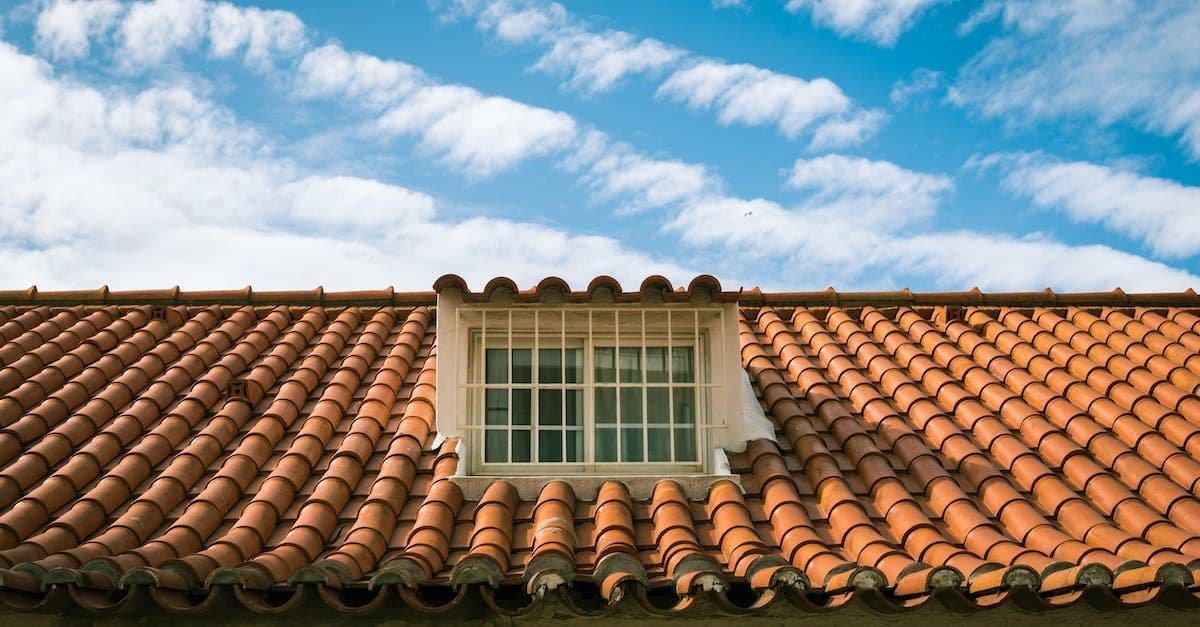
Walk through most American neighborhoods—especially in cold climates—and you'll see asphalt shingles, metal roofing, and maybe some composite materials. Rarely tile. That's not accident; it's economics, climate, and physics working against clay and concrete tile in the vast majority of U.S. homes.
The reasons come down to five core factors: weight, climate, cost, installation expertise, and architectural convention.
Weight and Structural Requirements: The Hidden Cost
Tile roofing is heavy. A standard asphalt shingle roof weighs about 200–300 pounds per square. Tile roofing weighs 600–1,100 pounds per square—three to five times heavier. Natural slate is even worse — 800 to 2,000 lbs per square — and a slate roof's full anatomy explains why those structural numbers are so unforgiving. Most American homes built in the last 50 years were framed for asphalt shingles. Installing tile requires costly structural reinforcement that can add $5,000–$15,000+ to an already expensive project.
Climate Limitations: Freeze-Thaw is Tile's Enemy
Climate is the dealbreaker for cold-weather states. When water seeps into microscopic pores in tile and then freezes, it expands and cracks tile from the inside out. Minnesota winters are brutal—we see 30+ freeze-thaw cycles per year. Within 10–15 years, you're looking at widespread cracking, leaks, and expensive repairs — the same dynamic we cover in how long a roof lasts in Minnesota.
Cost Factor: A 3-5x Price Tag
Tile roofing costs $18–$35 per square foot installed. Standard asphalt shingles run $6–$9 per square foot. On a 2,500 sq ft roof, that's the difference between $14,000–$25,000 for shingles and $45,500–$75,500+ for tile. (For the real numbers on what asphalt costs locally, see our roof replacement cost breakdown.)
Roofing Material Comparison: Side-by-Side
| Material | Cost/sq ft | Weight/square | Lifespan | Best Climate | MN Suitable? |
|---|---|---|---|---|---|
| Asphalt Shingles | $6–$9 | 200–300 lbs | 15–25 yrs | All climates | Yes |
| Metal Roofing | $11–$18 | 100–200 lbs | 40–60 yrs | All climates | Excellent |
| Clay/Concrete Tile | $18–$35 | 600–1,100 lbs | 40–70 yrs | Arid, warm | No |
| Synthetic Tile | $10–$15 | 250–400 lbs | 30–50 yrs | All climates | Yes |
About Modern Exterior Systems
Modern Exterior Systems is a women-owned, family-operated roofing and siding contractor serving Eden Prairie and the greater Twin Cities. Owner Joe Dvorak brings decades of hands-on experience and a BBB A+ rating to every project. We specialize in what works in Minnesota—asphalt shingles, metal roofing, quality siding, and sustainable exterior solutions.
What We Recommend for Minnesota Homeowners
Metal Roofing (Best Overall): Lightweight, handles freeze-thaw perfectly, sheds snow and ice efficiently, and lasts 40–60 years. Cost is $11–$18/sq ft. (Full breakdown by panel type — standing seam, stone-coated steel, corrugated — in the Minnesota metal roofing cost guide.)
Premium Asphalt Shingles (Value Choice): Brands like Malarkey, GAF, OC, and Atlas offer architectural shingles that perform well in Minnesota. $4–$8/sq ft installed.
Synthetic Tile (Tile Aesthetic Without the Risk): Brands like DaVinci synthetic slate and Brava are engineered for cold climates. Real Twin Cities install pricing is $25–$35 per square foot ($2,500–$3,500 per roofing square) with a Lifetime Limited warranty and 50+ year service life. If you're weighing whether the premium pays back, I broke down the DaVinci affordability math against premium asphalt in a separate post.
Frequently Asked Questions About Tile Roofs
Can I install tile roofing on my Minnesota home?
Technically yes, but we don't recommend it. You'd need structural reinforcement, accept freeze-thaw risk, and find a specialized installer. For the same budget, metal or synthetic tile gives better performance.
Do tile roofs really last 50+ years?
In ideal climates (arid Southwest), yes. In Minnesota's freeze-thaw environment, expect 20–30 years at best before significant cracking.
Why is metal roofing becoming more popular than tile?
Metal is lighter, more affordable than tile, incredibly durable, and handles severe weather better. It's also more sustainable and recyclable.
How much does tile roofing weigh?
Tile weighs 600–1,100 lbs/square. Most homes built after 1980 are not designed to carry this load. Structural reinforcement often costs $5,000–$15,000+.
Are synthetic tile roofs a good middle ground?
Yes. Brands like DaVinci and Brava deliver tile aesthetics without freeze-thaw risk, structural burden, or installation headaches. They're 30–40% cheaper than real tile and handle Minnesota winters flawlessly.