


DaVinci vs CeDUR: which synthetic shake fits a Twin Cities home?
DaVinci Bellaforte Shake and CeDUR are the two synthetic shake products Modern Exterior Systems (Modex) installs most across the Twin Cities. Both are Class 4 impact, both Class A fire, both carry multi-decade warranties, both will outlast asphalt by decades in Minnesota freeze-thaw. The honest difference is aesthetic and price. DaVinci is refined and color-deep at $2,500 to $3,500 per square. CeDUR is the rugged hand-split look at $1,500 to $2,200 per square.
DaVinci or CeDUR?
We install both DaVinci Bellaforte and CeDUR on Twin Cities homes. Here's when each one wins, and what we tell homeowners standing in the driveway pointing at two sample shakes asking which to pick.
Spec sheet
Material specs side by side
Both are premium synthetic shakes. Different chemistries, different aesthetics, different price points.
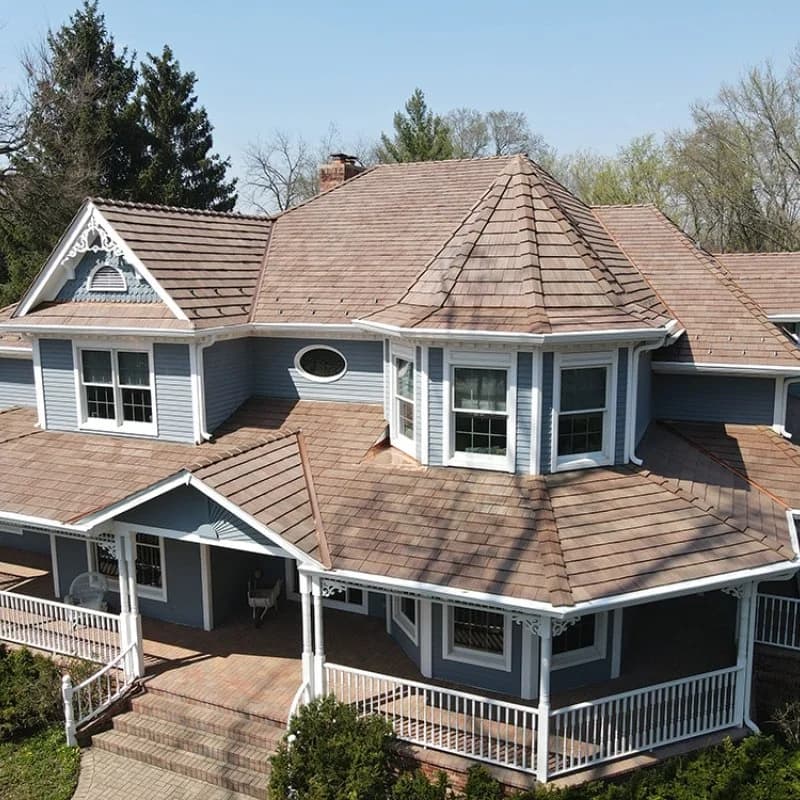
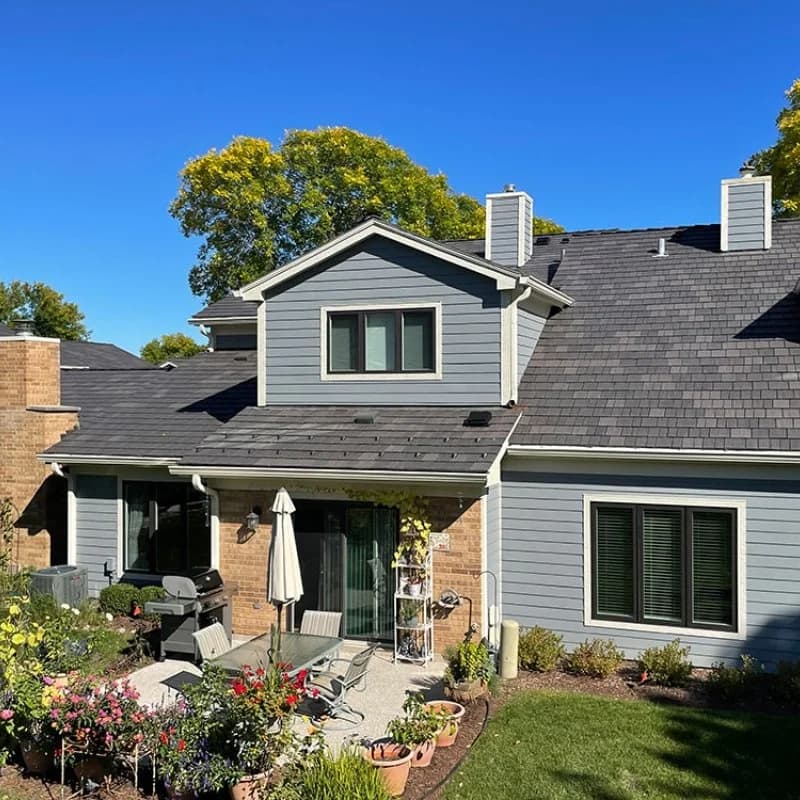
DaVinci Bellaforte Shake
Polymer composite, virgin resin
Install cost (Twin Cities)
$2,500–$3,500/sq
Weight per square
~180–380 lbs
Color options
49 + 5 blends
Warranty
Lifetime Limited
Class 4 impact + Class A fire
Deepest color palette in synthetic shake
Refined architectural look
Higher install cost than CeDUR
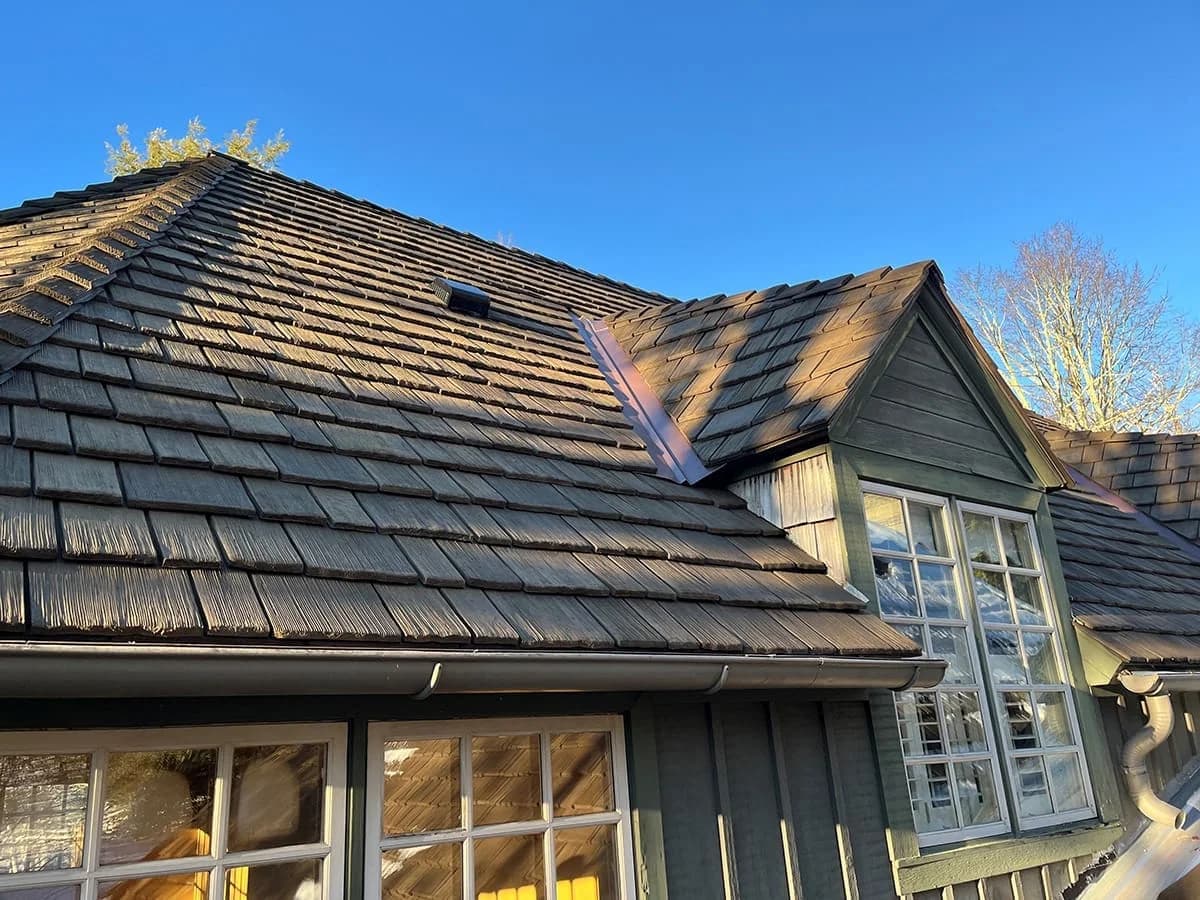
CeDUR
Polyurethane, hand-split texture
Install cost (Twin Cities)
$1,500–$2,200/sq
Weight per square
~170 lbs
Color options
4 core profiles
Warranty
50-Year Limited
Class 4 impact + Class A fire
Most cedar-shake-like hand-split look
Lower install cost than DaVinci
Lightest premium shake on the market
The numbers
DaVinci vs CeDUR: full spec comparison
Both survive hail, both pass fire code, both outlast asphalt — so what does the extra $1,000 per square actually buy?
| DaVinci Bellaforte | CeDUR | |
|---|---|---|
| Material | Polymer composite — virgin resin, no recycled fillers | Closed-cell polyurethane |
| Installed cost (Twin Cities) | $2,500–$3,500 per square | $1,500–$2,200 per square |
| Gap on a standard 25-square roof | Roughly $25K more | Roughly $25K less |
| Hail rating | Class 4 (UL 2218 — highest available) | Class 4 (UL 2218 — highest available) |
| Fire rating | Class A — legal where real cedar (Class C) is restricted | Class A — legal where real cedar (Class C) is restricted |
| Weight per square | ~180–380 lbs depending on profile | ~170 lbs — lightest premium shake on the market |
| Manufacturer warranty | Lifetime Limited (50-year transferable) | 50-Year Limited |
| Colors / profiles | 49 single colors plus 5 designer blends | 4 core profiles: Walden, Live Oak, Shiloh, Golden Cedar |
| The look from the curb | Refined architectural shake with deep color blending | Deepest hand-split grain — the synthetic that fools cedar guys |
| Minnesota freeze-thaw | Inert — decades of field history | Inert — decades of field history |
| Our take for Minnesota | Premium custom homes in Edina, Wayzata, Minnetonka, Excelsior | Cabins, lake homes, and rustic cedar replacements |
Costs reflect typical Twin Cities installed pricing, 2026. Your quote is line-itemed against your actual roof — call 952-206-6339.
Honest comparison
Two synthetic shakes, both ours
Most DaVinci versus CeDUR comparisons online are written by contractors who only install one of the two and need to push you toward it. We install both. We've put DaVinci Bellaforte Shake and CeDUR shake on Twin Cities homes across the metro, and we have no stake in which one ends up on your house — only in the recommendation that matches your aesthetic, your budget, and your timeline.
Why this matters
You're comparing two premium synthetic shakes that look similar at a glance but trade off cost, color depth, and texture in very different ways.
What you'll learn
Material chemistry, color palette depth, hand-split versus refined aesthetic, weight, warranty structure, and where each wins on a Twin Cities roof.
Material breakdown
What you're actually buying
DaVinci is a polymer composite — virgin resin (no recycled fillers) injection-molded from real cedar shake patterns and stabilized with UV inhibitors. CeDUR is a polyurethane shake, a tougher chemistry that holds the deeper hand-split grain better and tends to feel chunkier in hand. Both are inert in Minnesota freeze-thaw. The chemistry difference is what drives everything downstream — color depth, texture, and price.
DaVinci polymer
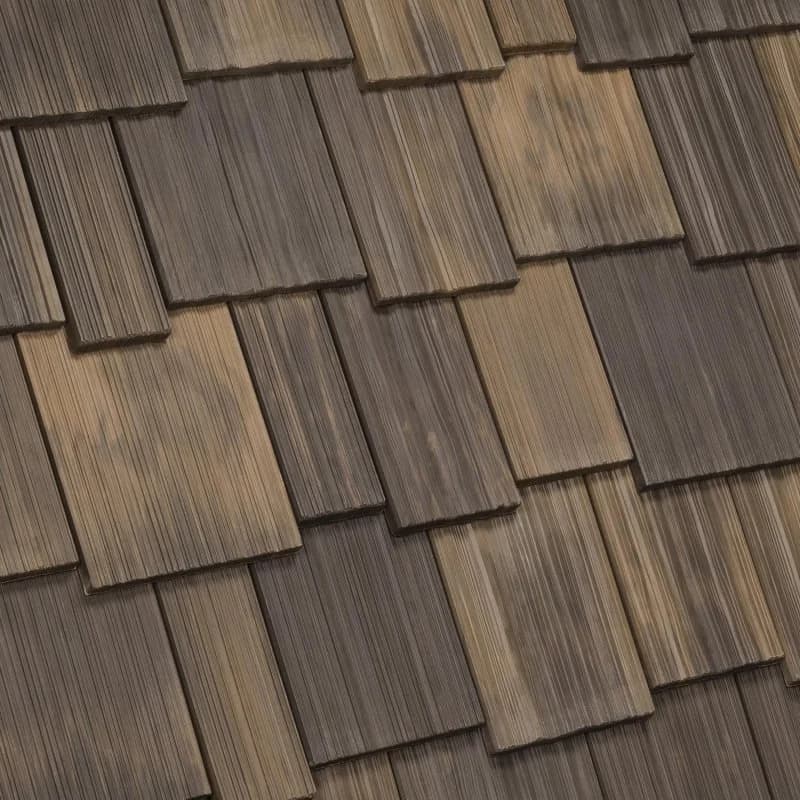
Engineered resin molded from real cedar masters, pigmented through the body so scratches don't show a different color. Deepest synthetic color palette on the market — 49 single colors plus 5 designer blends.
CeDUR polyurethane
Closed-cell polyurethane shake with a deeper hand-split surface texture than any other synthetic. Four core profiles — Walden, Live Oak, Shiloh, Golden Cedar — built around the rustic cedar-shake look.
Cost reality
Where the $1,000-per-square gap shows up
DaVinci Bellaforte Shake installs at $2,500 to $3,500 per square in the Twin Cities. CeDUR installs at $1,500 to $2,200 per square. On a standard 25-square roof, that's roughly a $25K spread. On a 45-square lake home, you're looking at a $45K-plus spread. The premium buys DaVinci's color depth, refined sightlines, and Lifetime Limited warranty — but it is a real premium, not a small one.
Why DaVinci costs more
Virgin-resin polymer, deeper material cost, heavier shingle weight (more handling), and the 49-color palette that requires running specific SKUs through the supply chain.
Why CeDUR comes in lower
Polyurethane is a less expensive substrate than virgin polymer, the shake is lighter at ~170 lbs per square, and a smaller color SKU set keeps the supply chain leaner.
The aesthetic difference
Refined architectural shake versus rugged hand-split
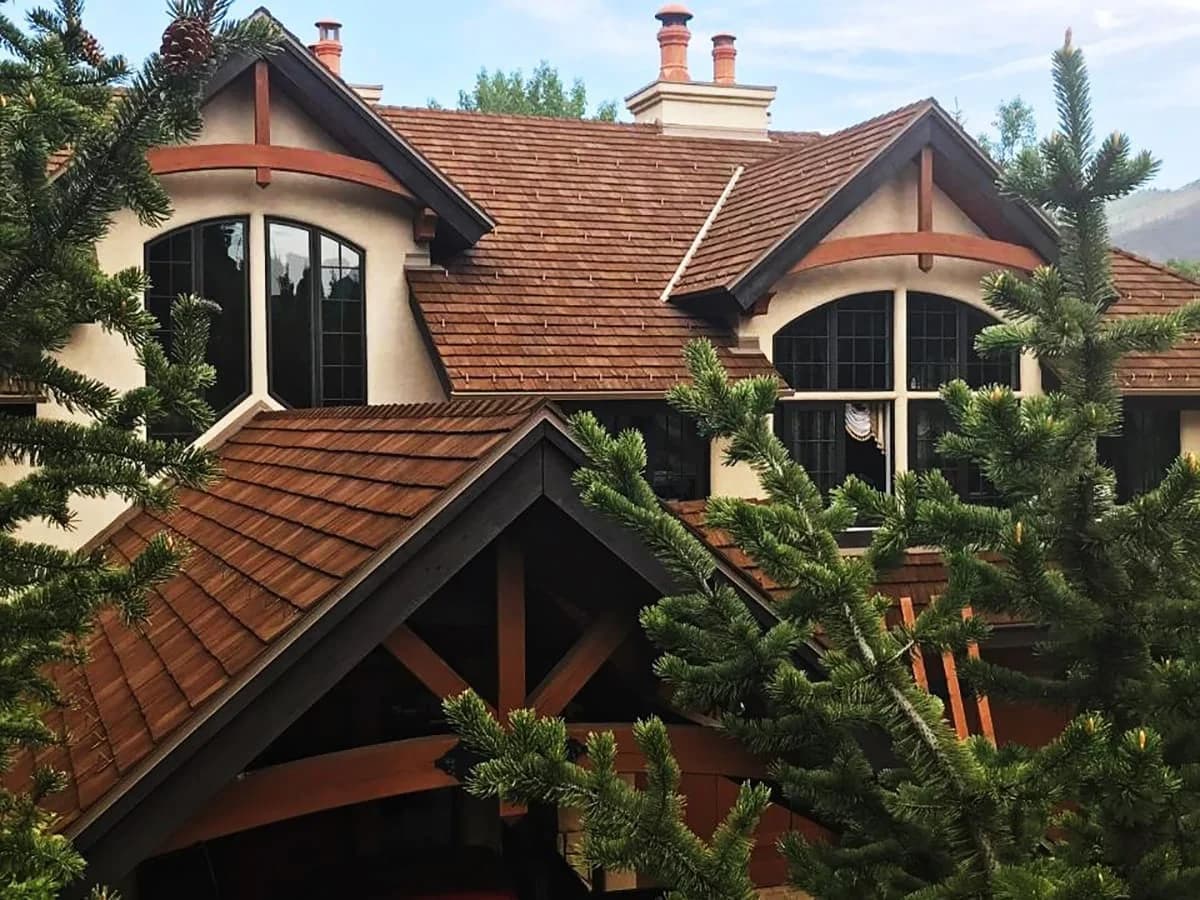
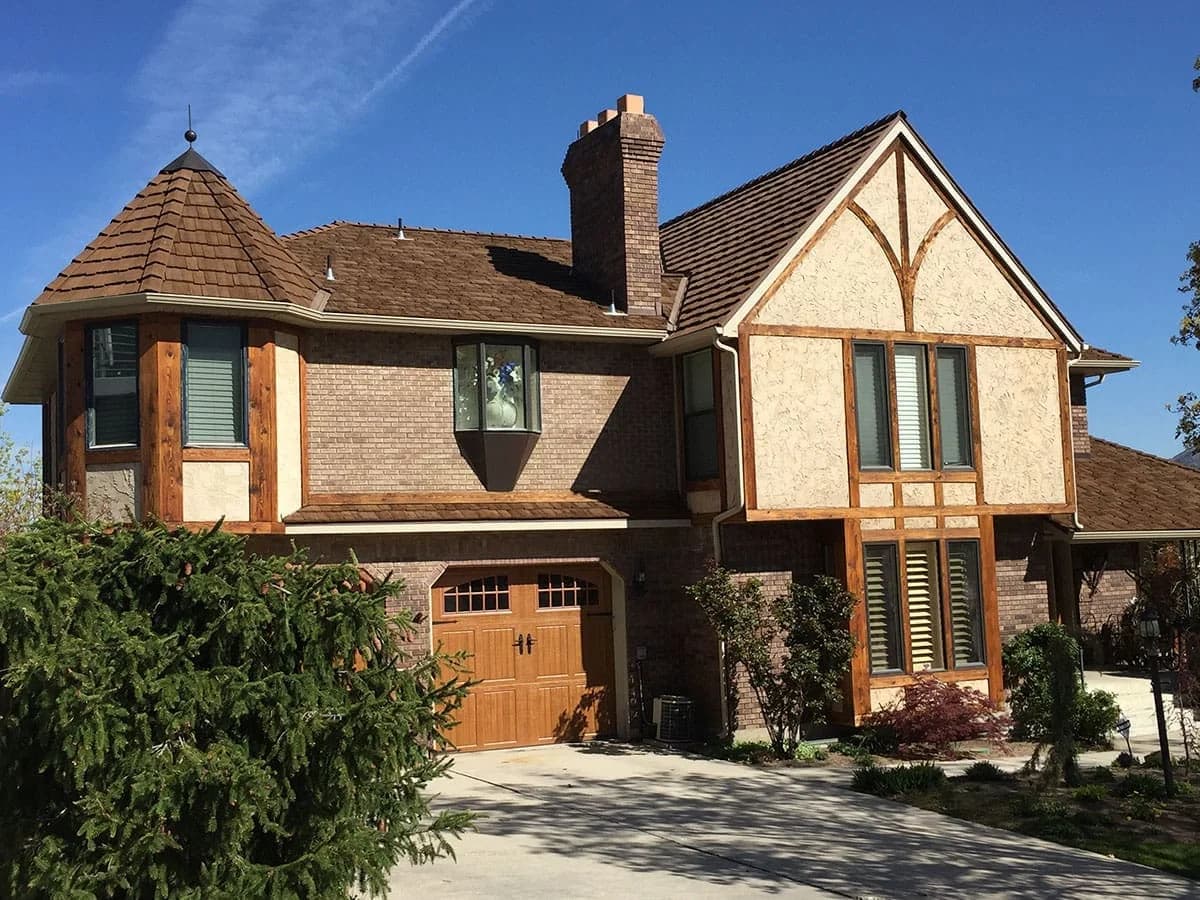
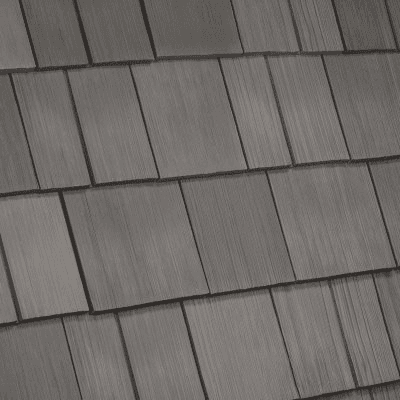
This is where the decision actually gets made. DaVinci reads as a refined architectural shake — tighter, cleaner, with deep color blending across the field. CeDUR reads as old-growth cedar — chunkier, deeper grain, more visible variation between shakes. From the curb, a DaVinci roof looks like a designer-curated cedar; a CeDUR roof looks like cedar pulled off a North Shore cabin and dropped on your house.

DaVinci color depth
49 single colors plus 5 designer blends. We can match dormers, gables, and trim with confidence. Bellaforte Shake renders the deepest color blending in synthetic shake.

CeDUR hand-split texture
Polyurethane holds a deeper hand-split surface than any polymer. From 20 feet away, CeDUR is the synthetic that fools cedar guys.
Warranty and durability
What the manufacturers promise
DaVinci Bellaforte carries a Lifetime Limited Warranty (50-year transferable). CeDUR carries a 50-Year Limited Warranty. Both are Class 4 impact-rated — the highest impact rating an asphalt or synthetic shingle can earn — and both are Class A fire-rated. Practically, both will outlast asphalt by decades on a Twin Cities roof, and both will survive hail that destroys a standard architectural shingle.

Class 4 impact, both
Both products carry UL 2218 Class 4 impact certification. That's the rating that matters in the Twin Cities, where summer hail is the single biggest threat to any roof.

Class A fire, both
Both products meet Class A fire — the highest rating. That's a meaningful difference from real cedar shake, which is Class C at best and explicitly restricted in many MN municipalities.
When each one wins
How we'd actually pick between them
Both products will outlast asphalt by decades. Both shrug off hail. Both pass MN fire code where real cedar can't. So the honest decision is aesthetic + budget, not durability. Here's how we walk customers through it at the truck before they sign anything.

Pick DaVinci if
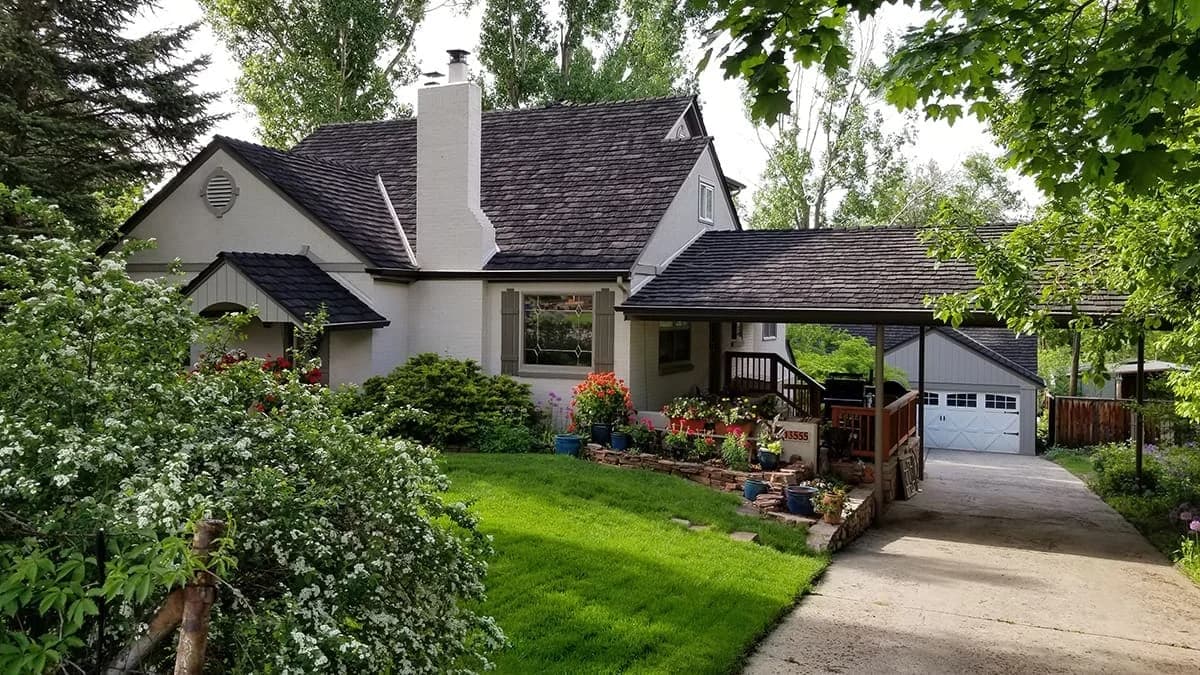
You want the refined architectural look, deep color blending across a complex roofline, a Lifetime Limited warranty, and the budget allows $2,500-$3,500 per square. Strongest on premium custom homes in Edina, Wayzata, Minnetonka, Excelsior.

Pick CeDUR if
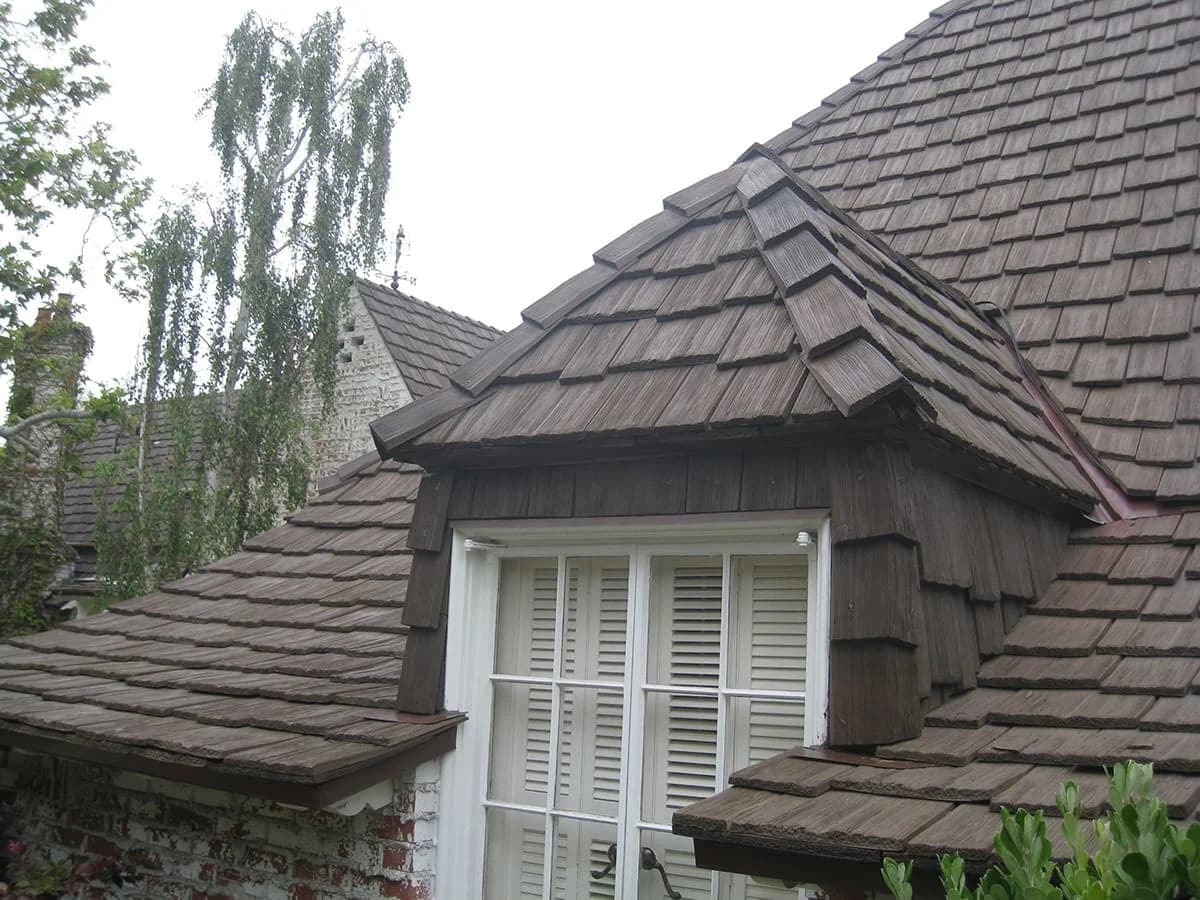
You want the most cedar-shake-looking synthetic on the market, the deeper hand-split texture, and a noticeably lower install cost. Strongest on cabins, lake homes, and any home replacing real cedar where matching the rustic look matters more than refined color blending.
Material
Polymer composite or polyurethane
Both materials are inert in Minnesota's freeze-thaw cycle. Both have decades of field history. The choice between them is about the look you want on your roof and the budget you've set for the project.

DaVinci Bellaforte
Virgin-resin polymer, refined architectural shake look, deepest color palette in synthetic shake, Lifetime Limited warranty.

CeDUR
Closed-cell polyurethane, rugged hand-split cedar look, four core profiles, 50-Year Limited warranty, lower install cost.
The verdict
So which synthetic shake should you actually pick?
Durability is a wash — both are Class 4 impact, Class A fire, and inert in Minnesota freeze-thaw. So the honest call is aesthetic plus budget. Pick CeDUR for the rugged hand-split cedar look at $1,500–$2,200 per square. Pick DaVinci Bellaforte for refined color blending and the transferable Lifetime Limited warranty. We install both and quote them side by side.
Replacing real cedar, want the rustic look
CeDUR
The closed-cell polyurethane holds a deeper hand-split grain than any polymer — it's the synthetic that fools cedar-shake guys from the curb. Strongest on cabins, lake homes, and any roof where matching old-growth cedar matters most.
Premium custom home, complex roofline
DaVinci Bellaforte
49 colors plus 5 designer blends means we can match dormers, gables, and trim with confidence, and the Lifetime Limited warranty is 50-year transferable. Strongest on custom homes in Edina, Wayzata, Minnetonka, and Excelsior.
Budget decides it
CeDUR
At $1,500–$2,200 per square versus DaVinci's $2,500–$3,500, the gap is roughly $25K on a standard 25-square roof — and you give up nothing on durability. Both are Class 4 impact and Class A fire.
Free quote in 48 hours · no pressure, no same-day close · lifetime workmanship warranty either way
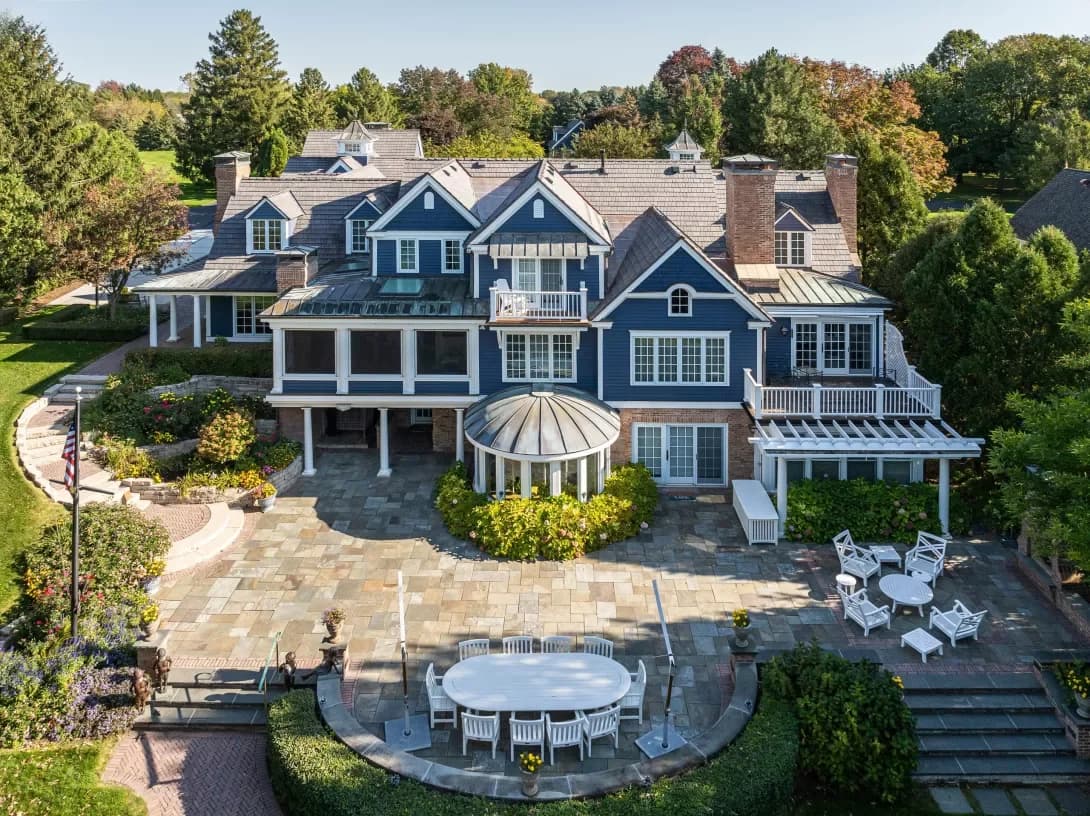
Real shakes, real homes
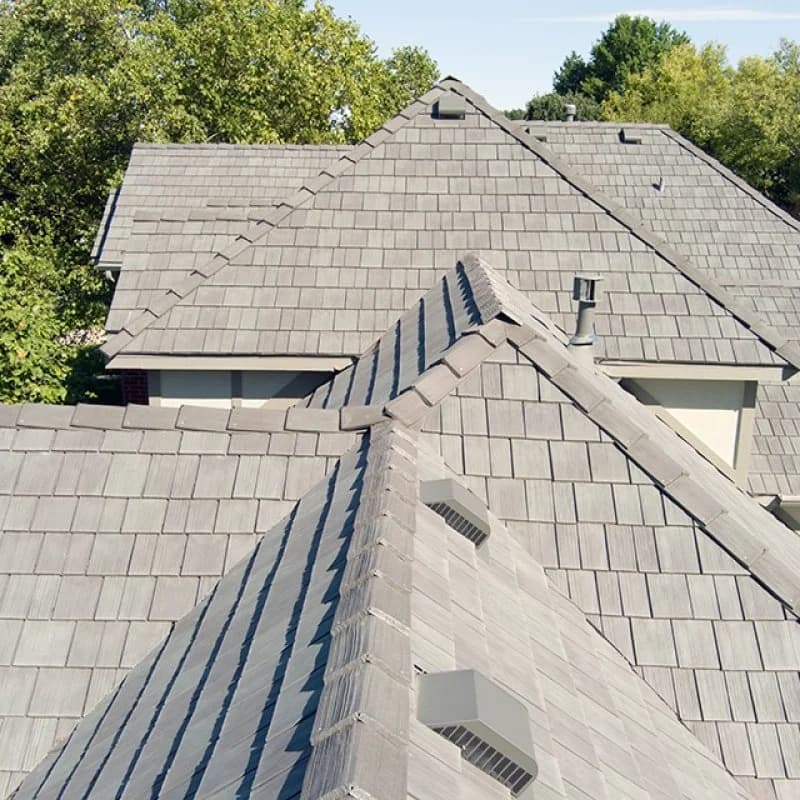
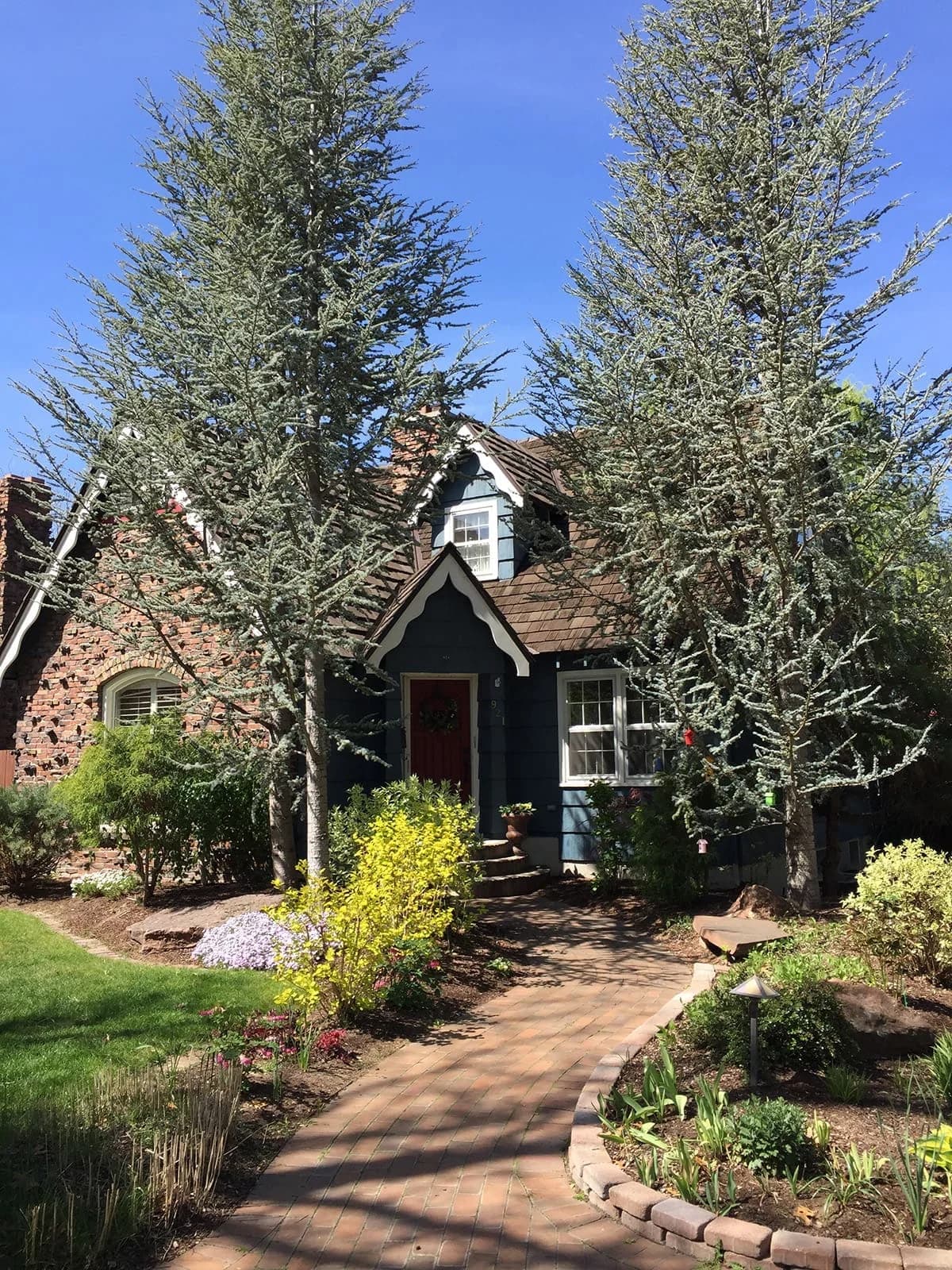
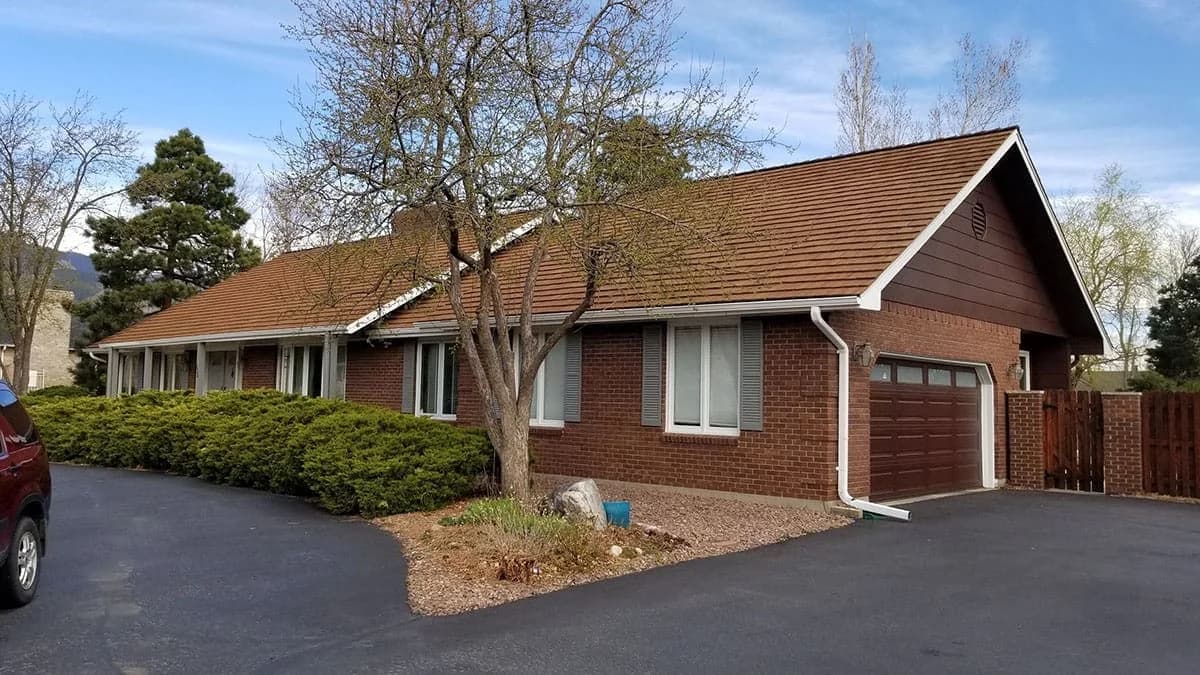
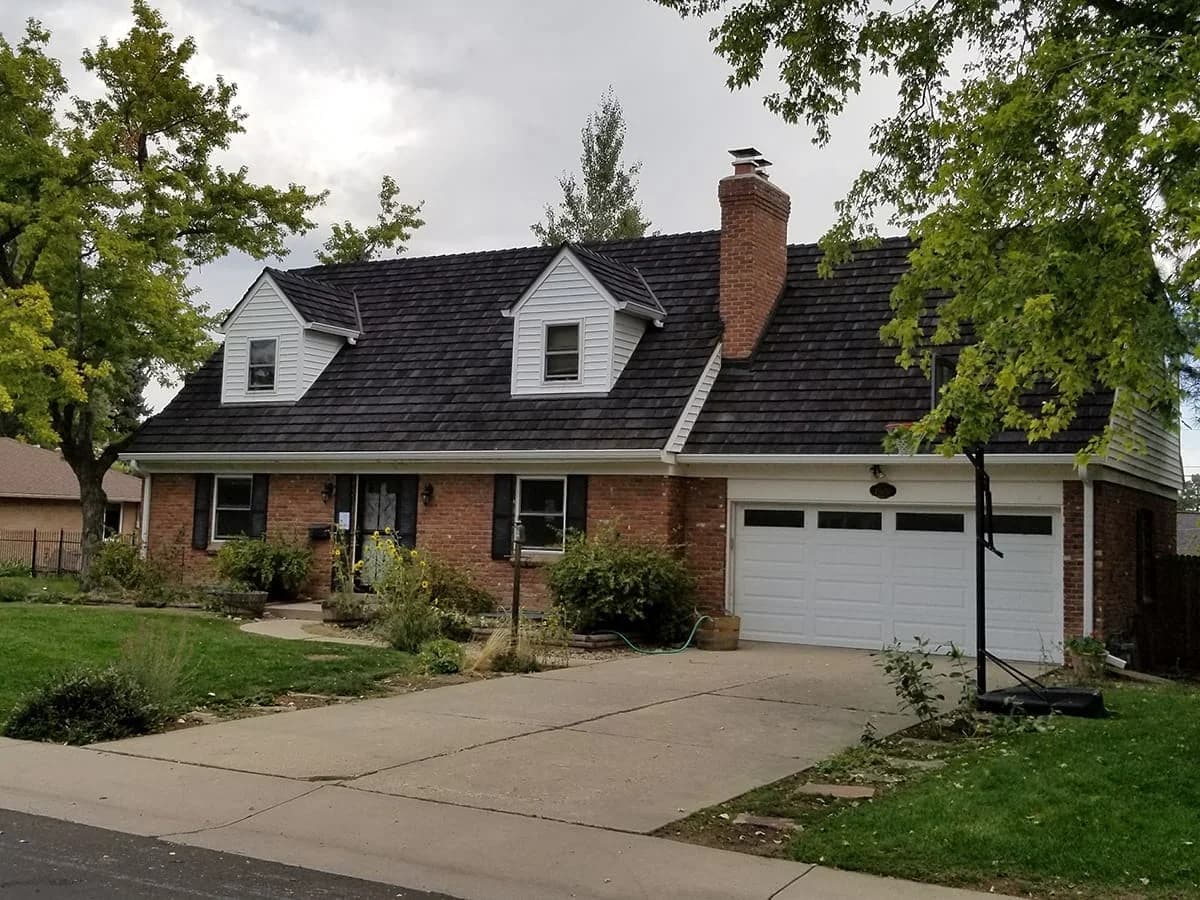
DaVinci and CeDUR installs across the Twin Cities metro
Questions
Common questions about DaVinci Bellaforte and CeDUR synthetic shake
Ready to choose your synthetic shake?
Get a quote from Modex and we'll walk you through DaVinci and CeDUR side by side with real numbers for your roof. Go deeper on each: DaVinci synthetic slate and CeDUR synthetic shake.
About
Reviewed by Joe Dvorak, Owner, Modern Exterior Systems
We install both DaVinci Bellaforte Shake and CeDUR on Twin Cities homes — from refined Edina rebuilds to lake-home re-roofs in Excelsior. Modex has been doing premium shake work in this market for decades, and we hold 8 industry credentials including CertainTeed ShingleMaster and Malarkey Emerald Pro. No stake in which synthetic ends up on your house — only in the right call for your aesthetic, your budget, and your timeline. Updated July 2026.
Further reading
Deeper writeups on the topics this page covers — written for homeowners by a Twin Cities installer.
May 31, 2026
Is DaVinci Synthetic Slate Worth the Premium? A Twin Cities Contractor's Honest Math
Is DaVinci synthetic slate worth the premium? A Twin Cities contractor does the honest math on cost, payback, and when it beats premium asphalt.
July 10, 2026
The Best Roofing Materials for Minnesota Winters (2026): A Contractor's Honest Ranking
A Twin Cities roofer ranks roofing materials for freeze-thaw, ice, and hail — asphalt to cedar — and names the one he'd skip.
April 7, 2026
How Long Does a Roof Last in Minnesota? A Contractor's Honest Answer
How long should a roof really last in Minnesota? A contractor on what the material, ventilation, and our winters actually deliver. 952-206-6339.
June 4, 2026
Class 4 Impact-Resistant Shingles in Minnesota: Are They Worth It?
What the Class 4 rating actually means, and the 10–30% insurance discount that usually pays for the upgrade in a hail market.