

Updated: July 10, 2026
I've spent 20+ years putting roofs on Twin Cities homes at Modern Exterior Systems (Modex), and I'll tell you what most "best roofing materials" articles won't: the right material here isn't about looks or even price first. It's about what survives a Minnesota winter. We swing 50 degrees in 24 hours in March. We get ice dams, hen-egg hail, and wind that peels ridges. A material that's great in Phoenix can be a mistake in Minnetonka.
So here's my honest ranking of the roofing materials I actually install, judged on the one thing that matters most up here: how they hold up to freeze-thaw, ice, and hail.
The short answer
For most Minnesota homes, a quality architectural asphalt shingle is still the best value — and if you're in a hail-prone area or want lower insurance, step up to an impact-resistant (Class 4) asphalt. If you want a roof that outlasts you, standing seam metal and synthetic slate are the premium plays that genuinely earn their cost in our climate. Cedar is beautiful and real, but it's the highest-maintenance choice in a freeze-thaw, moss-prone climate. Below is the honest case for each.
1. Architectural (dimensional) asphalt — the best all-around value
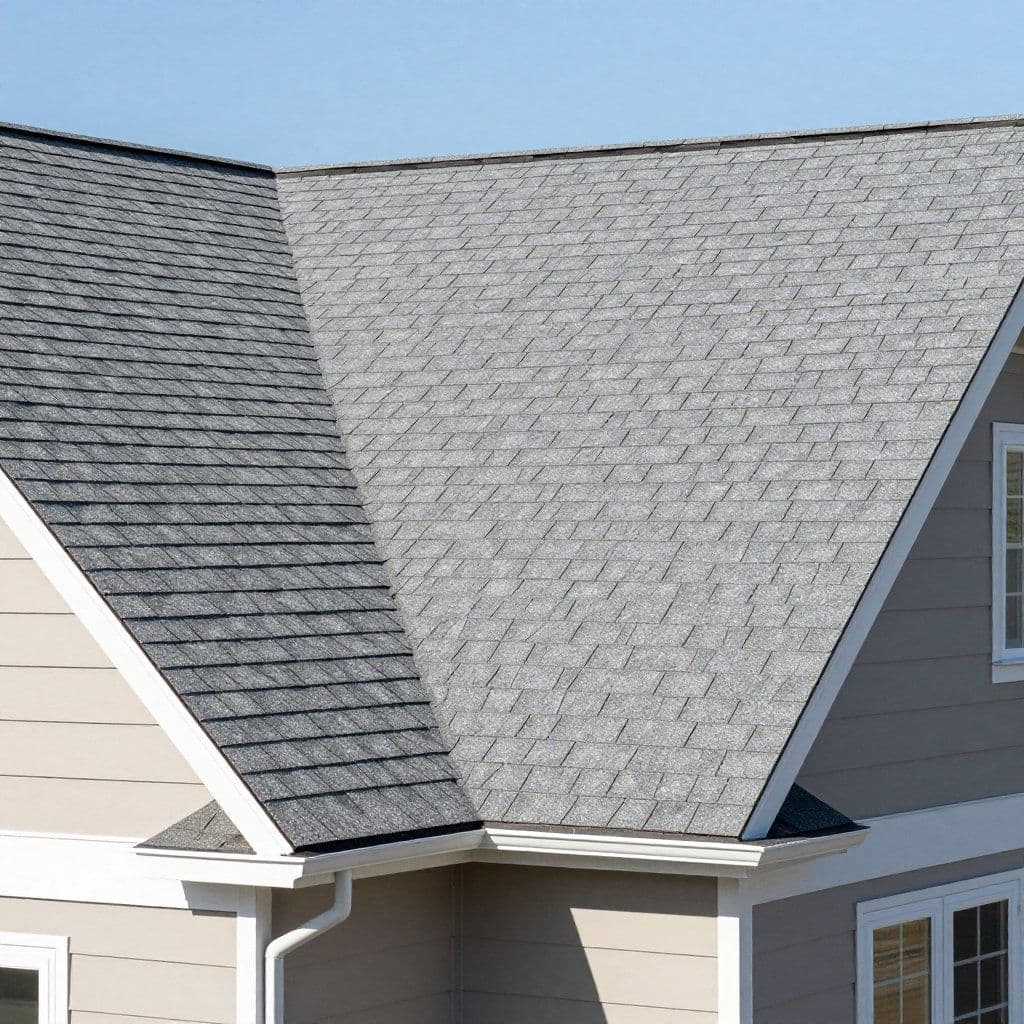
This is what goes on most Minnesota roofs, and for good reason. A good architectural shingle from a manufacturer that engineers for cold — I install CertainTeed and Malarkey, and Malarkey's SBS-modified ("rubberized") shingles in particular stay flexible when it's brutally cold — handles our freeze-thaw without getting brittle and cracking.
My take: for the money, nothing beats it. 25–30 year real-world lifespan here, good wind ratings, and every crew in the state knows how to install it right.
The Minnesota catch: cheap "builder grade" 3-tab shingles are a false economy up here — they go brittle and blow off. Skip them. And the install matters as much as the shingle: ice-and-water shield along the eaves is code in our climate for a reason (ice dams), and a contractor who skips it is setting you up for leaks.
2. Impact-resistant (Class 4) asphalt — the hail-country upgrade
Same asphalt category, engineered to take a hit. Class 4 is the top impact rating (UL 2218), and after the hailstorms we get across the metro, it's the upgrade I push hardest in hail-prone neighborhoods.
My take: if you've been hit once, you'll be hit again — and a Class 4 shingle resists the bruising that turns into a claim. Better yet, many Minnesota insurers give a premium discount for Class 4, so it can partly pay for itself over time.
The catch: it costs a bit more up front than standard architectural, and the discount varies by carrier — ask your agent before you assume it.
3. Standing seam metal — the outlast-everything option
Metal sheds snow, won't catch ice the way a granular surface can, and a standing seam roof (concealed fasteners) can last 50+ years. In our climate, the snow-shedding and the longevity are the real arguments.
My take: on the right house, standing seam is a roof you install once and forget. It's also excellent on the low-slope and combination roofs we see all over Edina and the lake areas.
The catch: it's a premium price, it demands a crew that actually knows metal (a botched seam or flashing detail leaks), and snow-shedding near walkways/doors needs snow guards planned in. It's not a DIY-installer's material.
4. Synthetic slate (e.g., DaVinci) — premium looks without the weight
Synthetic slate gives you the look of real slate or shake at a fraction of the weight, and it's engineered to handle impact and cold far better than the natural product. Many lines carry a Class 4 impact rating.
My take: for premium and estate homes that want the slate look, this is usually the smarter buy than real slate — lighter (no structural reinforcement), more impact-resistant, and far easier to source a matching piece in ten years.
The catch: it's a premium price point, and quality varies by brand — this is one where you want a contractor who'll quote a specific, proven product, not "synthetic slate."
5. Cedar shake — real, beautiful, and the most demanding
Real cedar is gorgeous, and on the right lake home it's exactly right. But I'm going to be straight with you: in Minnesota's freeze-thaw, shade, and moisture, cedar is the highest-maintenance roof on this list. Mature tree canopy around the lakes drives moss and rot if it's not maintained.
My take: if you love cedar and you'll commit to maintaining it, it's a beautiful, real roof. If you want the cedar look without the upkeep, synthetic shake is the honest alternative.
The catch: maintenance, cost, and the fact that not every crew can install or repair it well. Ask to see real, recent cedar work before you hire.
The bottom line from a guy who installs all of these
If I'm being honest with a homeowner: most of you are best served by a quality architectural shingle, stepped up to Class 4 if you're in hail country. If you want a 50-year roof and the budget's there, standing seam metal or synthetic slate genuinely earn it in our climate. Cedar is for people who love cedar and mean it. And whatever you pick, the install — ice-and-water shield, proper ventilation, flashing done right — matters as much as the material. A premium shingle installed badly leaks just like a cheap one.
FAQ
What is the best roofing material for Minnesota's climate?
For most homes, a quality architectural asphalt shingle (ideally SBS-modified/"rubberized" for cold flexibility) is the best all-around value. In hail-prone areas, step up to an impact-resistant Class 4 shingle. For a 50-year roof, standing seam metal and synthetic slate are the premium choices that hold up best to our freeze-thaw, ice, and hail.
Are impact-resistant (Class 4) shingles worth it in Minnesota?
Often, yes — especially if you've had hail damage before. Class 4 is the top impact rating and resists the bruising that becomes an insurance claim. Many Minnesota insurers also offer a premium discount for Class 4 roofs, so it can partly pay for itself. Ask your agent what discount your carrier gives before deciding.
What roofing material handles ice dams and snow best?
Standing seam metal sheds snow and doesn't hold ice the way a granular surface can, making it strong against ice dams. But honestly, ice dams are driven more by attic insulation, ventilation, and proper ice-and-water shield at the eaves than by the roofing material itself — a well-built asphalt roof handles them fine, and a poorly-ventilated metal roof still gets them.
How long do different roofing materials last in Minnesota?
Real-world Minnesota lifespans: architectural asphalt 25–30 years, impact-resistant asphalt similar with better hail survival, standing seam metal 50+ years, synthetic slate 50+ years, and cedar 30+ years if diligently maintained (less if neglected). Install quality and ventilation move these numbers more than most people expect.
Is metal roofing too loud or too cold for Minnesota homes?
No on both counts when it's installed right. Modern metal roofs go over solid decking and underlayment, so they're not noticeably louder than asphalt in rain, and the roofing material has nothing to do with how warm your house is — that's insulation. The real considerations with metal are cost, snow-shedding near doorways (plan snow guards), and hiring a crew that knows metal.
How much do these roofing materials cost in the Twin Cities?
A typical architectural asphalt replacement runs roughly $14,000–$28,000; impact-resistant (Class 4) runs $19,500–$25,500 — usually $1,000–$2,500 over standard architectural; and premium materials — standing seam metal, synthetic slate, cedar — run $35,000–$90,000+ depending on size and complexity. We'll quote your real options side-by-side so you can compare honestly. (Full 2026 pricing breakdown here.)
Want an honest recommendation for your house and your budget? Call Modern Exterior Systems at 952-206-6339 or get an instant roof estimate. We'll quote asphalt, metal, synthetic slate, and cedar side-by-side — no pressure, no steering you to whatever installs fastest. In the city proper? Start at our Minneapolis roofing page.
Modern Exterior Systems is a women-owned, family-operated roofing and exterior contractor based in Eden Prairie, MN, serving the Twin Cities metro. Owner Joe Dvorak brings 20+ years of hands-on construction experience, CertainTeed ShingleMaster, Malarkey Emerald Pro, and Atlas Pro+ certifications, and a LIFETIME workmanship warranty to every residential project. an A+ rating with the BBB.