

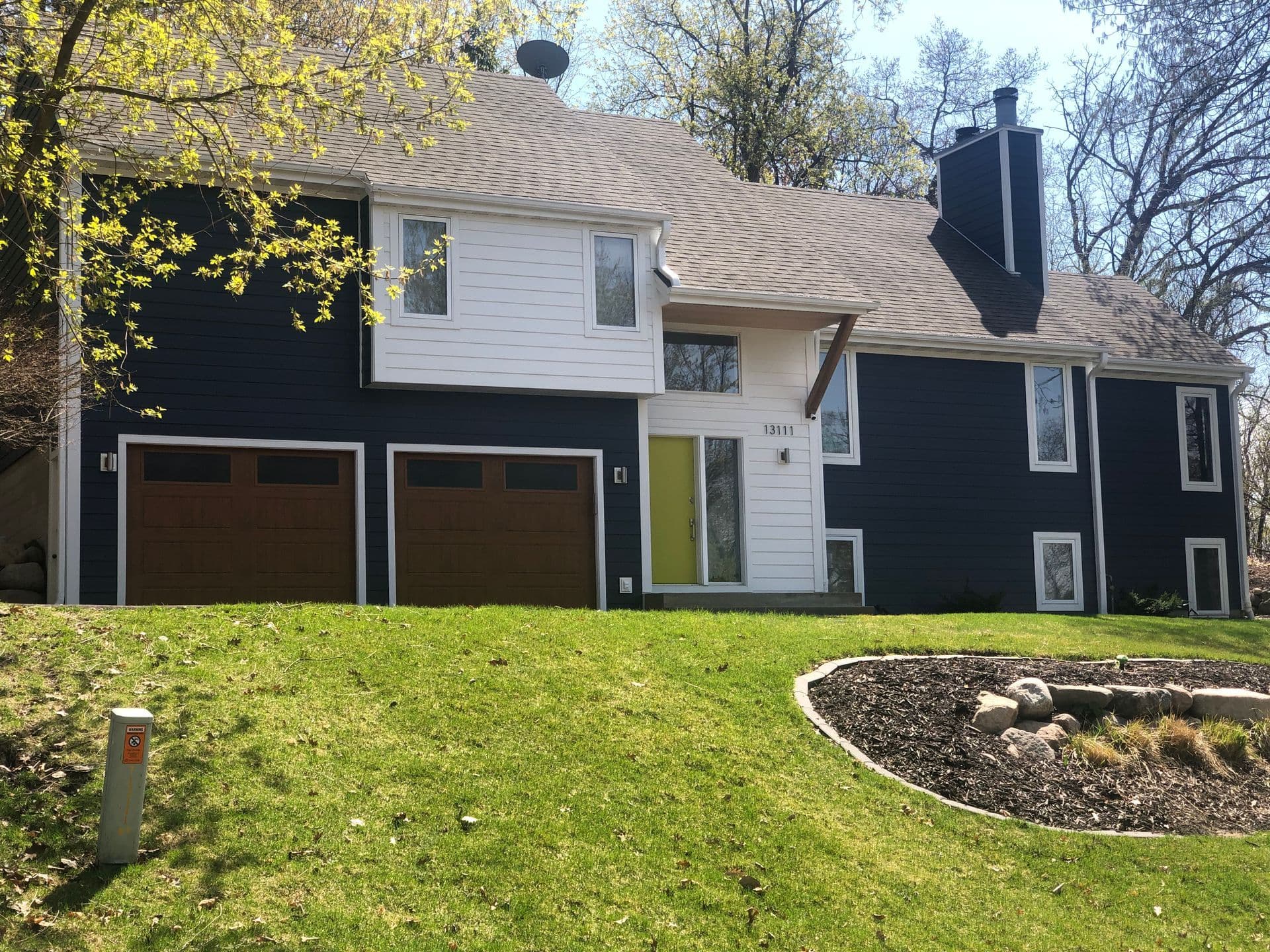

After storms roll through the Twin Cities, this is one of the first questions I get on hail and wind calls: "Will my insurance pay for the windows?" The honest answer is it depends on why they need replacing — and the line between "covered" and "not covered" is clearer than most people think.
A quick note: I'm a contractor, not a licensed insurance agent or adjuster. Coverage depends on your specific policy and your insurer's determination. Always confirm details with your agent and read your declarations page. What follows is the general framework I see play out on Twin Cities homes.
The Short Answer
Homeowners insurance generally covers window replacement when the damage is caused by a sudden, covered peril — hail, windstorm, a fallen tree, fire, vandalism, or a break-in. It generally does not cover windows that need replacing because of age, failed seals (foggy glass), rot, wear, or poor original installation. Replacing old, drafty windows to upgrade your home is an improvement, not a claim.
In short: damage from an event is usually covered (minus your deductible). Deterioration over time is not — if your windows are simply old and drafty, that's an out-of-pocket window replacement, not a claim.
What's Typically Covered
- Hail or windstorm damage — cracked or shattered glass, broken frames, blown-in windows after a Minnesota storm.
- A tree or branch through a window — common after our summer wind events.
- Vandalism or a break-in — broken glass from forced entry or vandalism.
- Fire and smoke damage.
- Collateral water damage — if a covered event breaks a window and rain gets in, the resulting interior damage is often part of the same claim.
What's Typically NOT Covered
- Failed seals / foggy glass — that's the insulated glass unit wearing out, a maintenance item, not storm damage. (We handle those as a window repair, not a claim.)
- Age, drafts, and energy upgrades — replacing 30-year-old windows because they're inefficient is an improvement you pay for.
- Rot and wear — deterioration over time.
- Poor original installation or manufacturer defects — those run through the installer or the manufacturer's warranty, not your homeowners policy.
How a Window Claim Actually Works
- Document the damage immediately. Timestamped photos of every broken or damaged window, plus wide shots showing the storm context.
- Make temporary repairs to prevent further damage. Board up or tarp broken openings — insurers expect you to mitigate, and reasonable temporary costs are usually reimbursable. Keep receipts.
- File the claim with your insurer and note the date of the storm or event.
- Have your contractor present at the adjuster inspection when possible. We document the scope so nothing covered gets missed.
- Understand ACV vs RCV. Many policies pay actual cash value (depreciated) up front, then release the recoverable depreciation once the work is completed — so the full replacement cost comes in two checks. (More on this in our ACV vs RCV guide.)
One Minnesota-specific note: it is illegal here for a contractor to waive or pay your insurance deductible. Anyone offering a "free" deductible is breaking state law — and it's a red flag about everything else they'll do.
Frequently Asked Questions
Does homeowners insurance cover broken windows from a storm?
Yes, usually. Windows broken by hail, wind, or a fallen tree are damage from a covered peril, so replacement is typically covered minus your deductible. Document the damage with timestamped photos, make temporary repairs to prevent water intrusion, and file promptly. Coverage and limits depend on your specific policy.
Will insurance pay to replace foggy or failed-seal windows?
Generally no. Foggy glass means the insulated glass unit's seal has failed — that's normal wear, not sudden damage, so it's a maintenance item rather than a claim. The good news is failed seals can often be fixed by replacing just the glass unit, which is far cheaper than a full window.
Does insurance cover replacing old windows for energy efficiency?
No. Upgrading old, drafty, or inefficient windows is a home improvement you pay for, not an insured loss. Insurance covers sudden accidental damage from a covered peril, not voluntary upgrades — even though new windows genuinely lower energy bills.
Is window damage from a break-in covered?
Usually yes. Broken glass from vandalism or a forced-entry break-in is typically a covered peril, subject to your deductible. Document it, file a police report for the break-in, and keep receipts for any temporary boarding-up you do to secure the home.
Do I have to use my insurance company's preferred contractor?
No. In Minnesota you choose your own contractor for the work; the insurer determines the covered amount, but you decide who does the job. Pick a licensed, insured contractor who'll document the full scope and stand behind the install — not whoever knocks on your door after the storm.
How much is the deductible on a window insurance claim?
It's your standard homeowners deductible — often $1,000 to $2,500, or a percentage of your dwelling coverage for wind/hail in some Minnesota policies. If the covered window damage is less than your deductible, filing won't put money back in your pocket, so it's worth pricing the repair first.
Joe's Note
The cleanest way to think about it: insurance pays for damage, not for age. If a storm broke your windows, document everything and file. If they're just old and drafty, that's an upgrade you fund — but new windows usually pay you back in comfort and energy bills. I'll come look either way and tell you which situation you're actually in, and I'll document the scope honestly for your adjuster if it's storm damage.
Storm break your windows, or just time for an upgrade? I'll inspect them, document anything storm-related for your claim, and quote replacements line by line — no pressure. Call 952-206-6339 or request your free estimate online.
Modern Exterior Systems is a women-owned, family-operated roofing and exterior contractor based in Eden Prairie, MN, serving the Twin Cities metro. Owner Joe Dvorak brings 20+ years of hands-on construction experience, CertainTeed ShingleMaster and Malarkey Emerald Pro certifications, and a LIFETIME workmanship warranty to every project. an A+ rating with the BBB.