

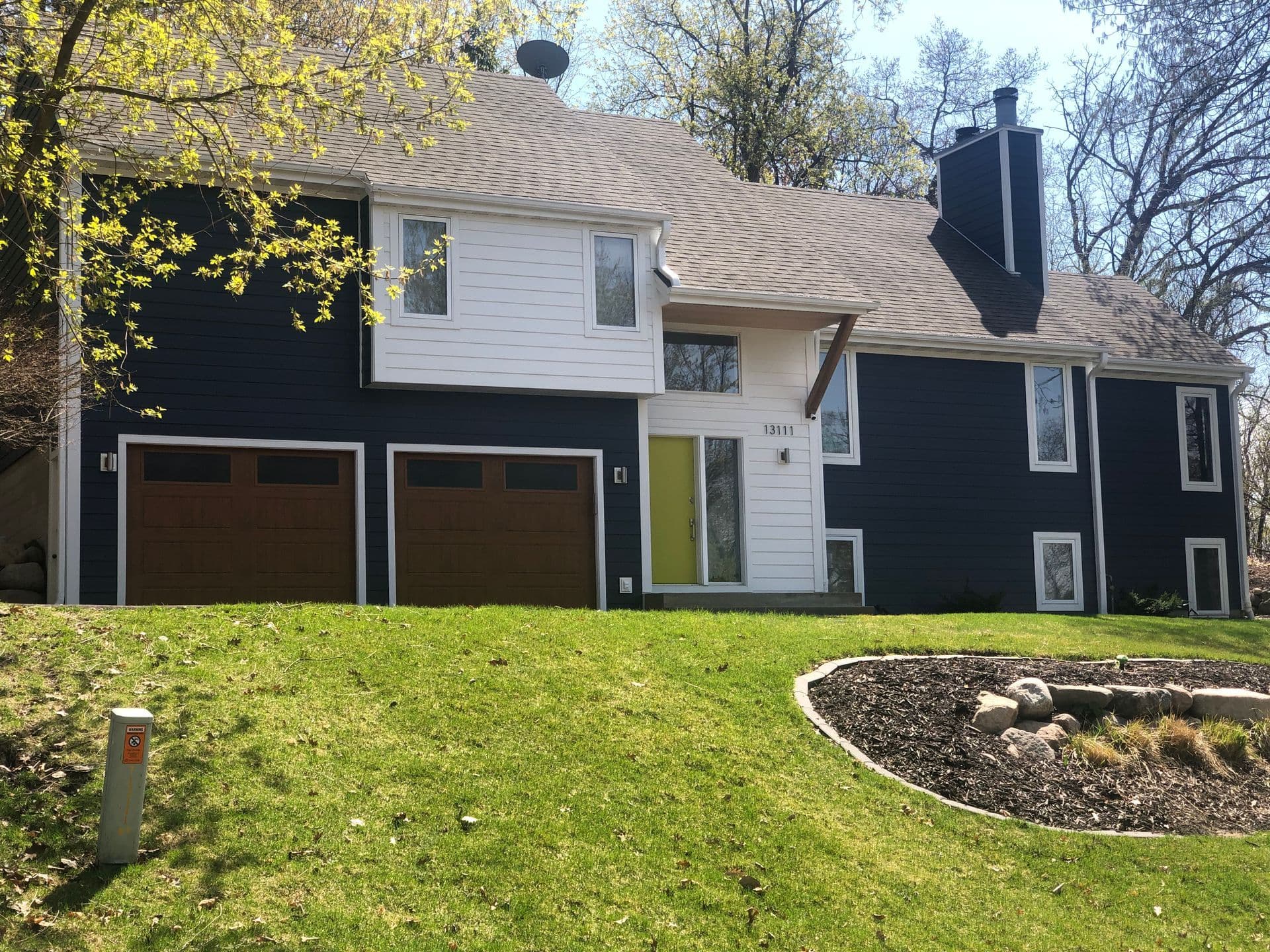
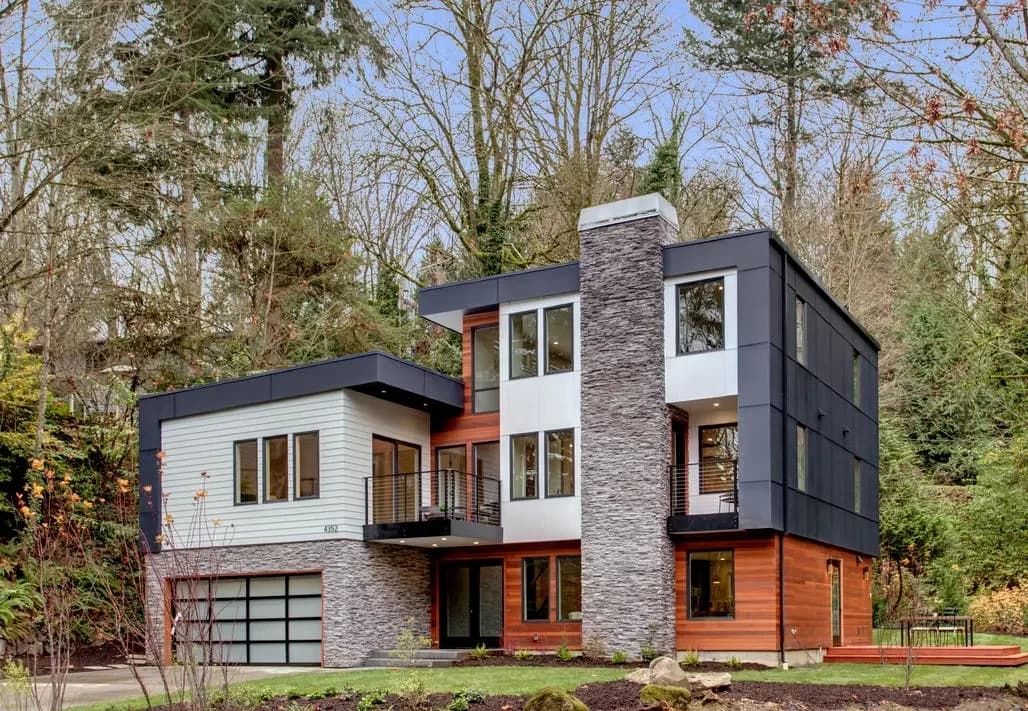
I've replaced a lot of siding in the Twin Cities, and I've also talked a fair number of homeowners out of it. That probably sounds backwards coming from a guy who installs it for a living. But siding is a big check to write, and "worth it" depends entirely on why you're doing it.
I'm Joe Dvorak. Let me give you the honest framework I use when a homeowner asks me, standing in their driveway, whether they should pull the trigger.
The Short Answer
Replacing your siding is worth it when the old siding is failing — rotting, holding moisture, letting water into the wall — or when you're about to sell and the curb appeal is costing you offers. It's usually worth it. It's a question mark when the siding is just dated but functional, and you're doing it purely for looks. New siding consistently returns a large chunk of its cost at resale and ends the maintenance treadmill of repainting and patching, but it rarely pays for itself dollar-for-dollar on aesthetics alone.
When Replacing Your Siding Is Absolutely Worth It
Your siding is failing. This is the easy call. If you've got rot, warping, panels holding moisture, or hail and storm damage that's compromised the surface, every season you wait is letting water work behind the wall. Water in the wall finds the sheathing, then the framing, then the inside of your house. I've opened up walls behind "fine-looking" siding and found sheathing I could push a screwdriver through. At that point you're not paying for siding anymore — you're paying for siding plus carpentry.
You're repainting every few years. Old wood and hardboard siding in Minnesota needs paint on a cycle, and that cycle gets shorter as the substrate ages. If you're scraping and repainting every three to five years, the math eventually favors a product like engineered wood or fiber cement that holds a factory finish far longer. The paint you're not buying is part of the return.
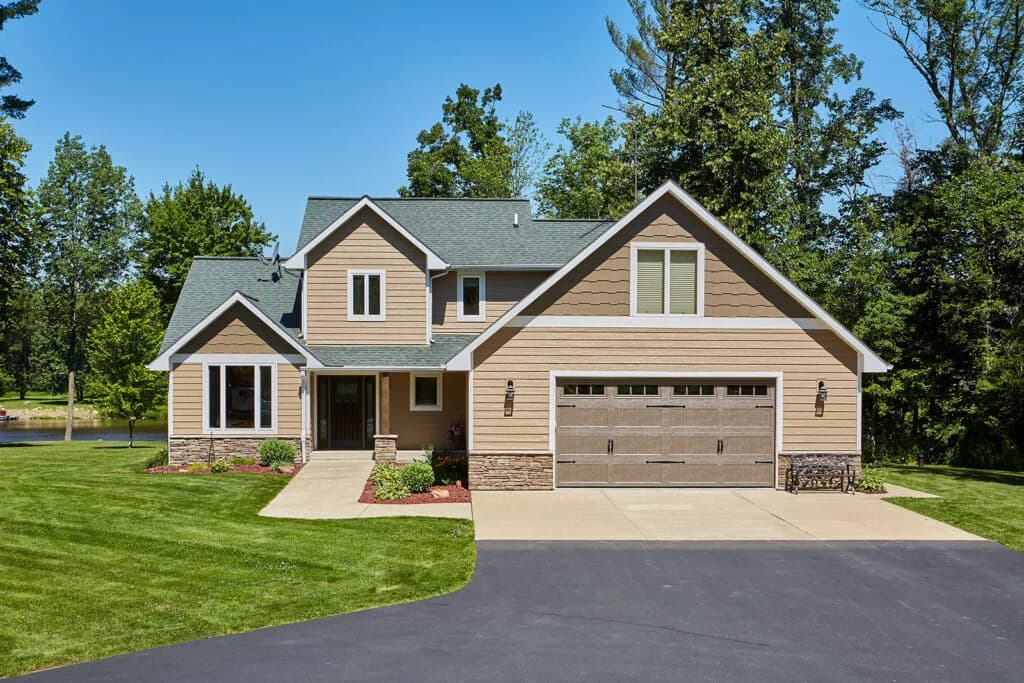
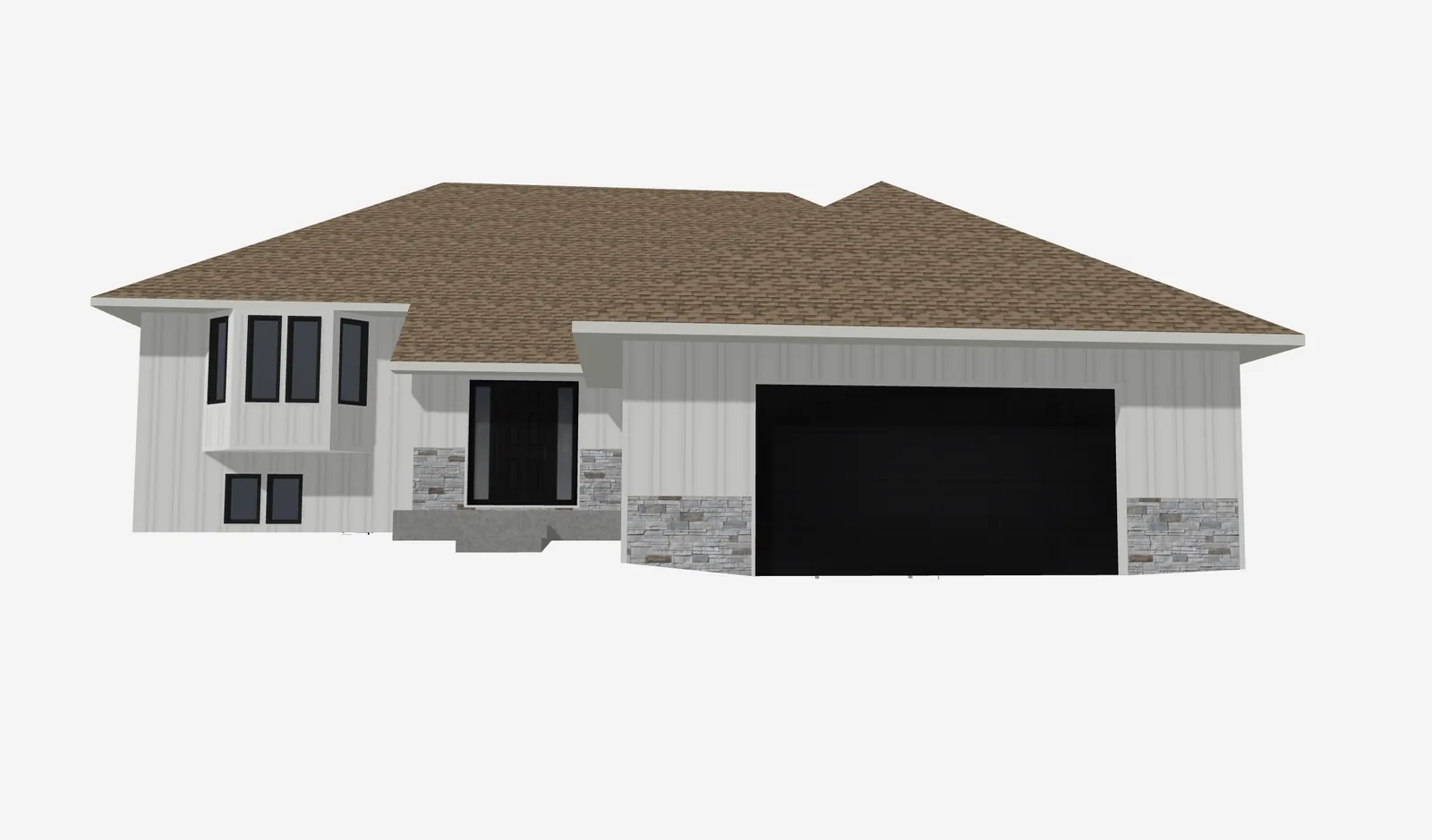
You're selling. Curb appeal is the first impression, and siding is most of it. Fresh, modern siding consistently ranks among the better-returning exterior projects at resale — not because buyers pay a premium for it, but because tired siding makes them discount everything else and wonder what else was neglected. If the goal is dragging the whole look into this decade, I wrote a guide on modernizing your home's exterior — which upgrades actually move the needle and which are wasted money.
When I Tell People to Wait
If the siding is dated but genuinely sound — no rot, no moisture, no storm damage, just a color and style you're tired of — and you're not selling soon, I'll tell you that. Siding is a five-figure project. If the only problem is aesthetic and the existing siding has real life left, sometimes the right answer is paint, or targeted replacement of the worst elevations, and putting the rest of the budget somewhere it does more for you.
I'd rather tell you that and earn the job you actually need later than sell you something you didn't.
What It Actually Costs
Here's roughly where full siding replacement lands on a typical Twin Cities home, installed:
| Siding material | Typical installed range | Notes |
|---|---|---|
| Vinyl | Lower end | Cheapest upfront; can get brittle in deep cold |
| LP SmartSide (engineered wood) | Mid | Holds finish well, takes our climate, my most-installed |
| James Hardie (fiber cement) | Mid to high | Extremely durable, heavier install |
| Steel (EDCO) | High | Dent- and weather-tough, premium look |
The number on your house depends on square footage, how many stories, trim and detail work, and whether we find anything behind the old siding once it's off. That last one is the wildcard — and it's exactly why you replace failing siding before it fails completely.
The Part Most People Miss
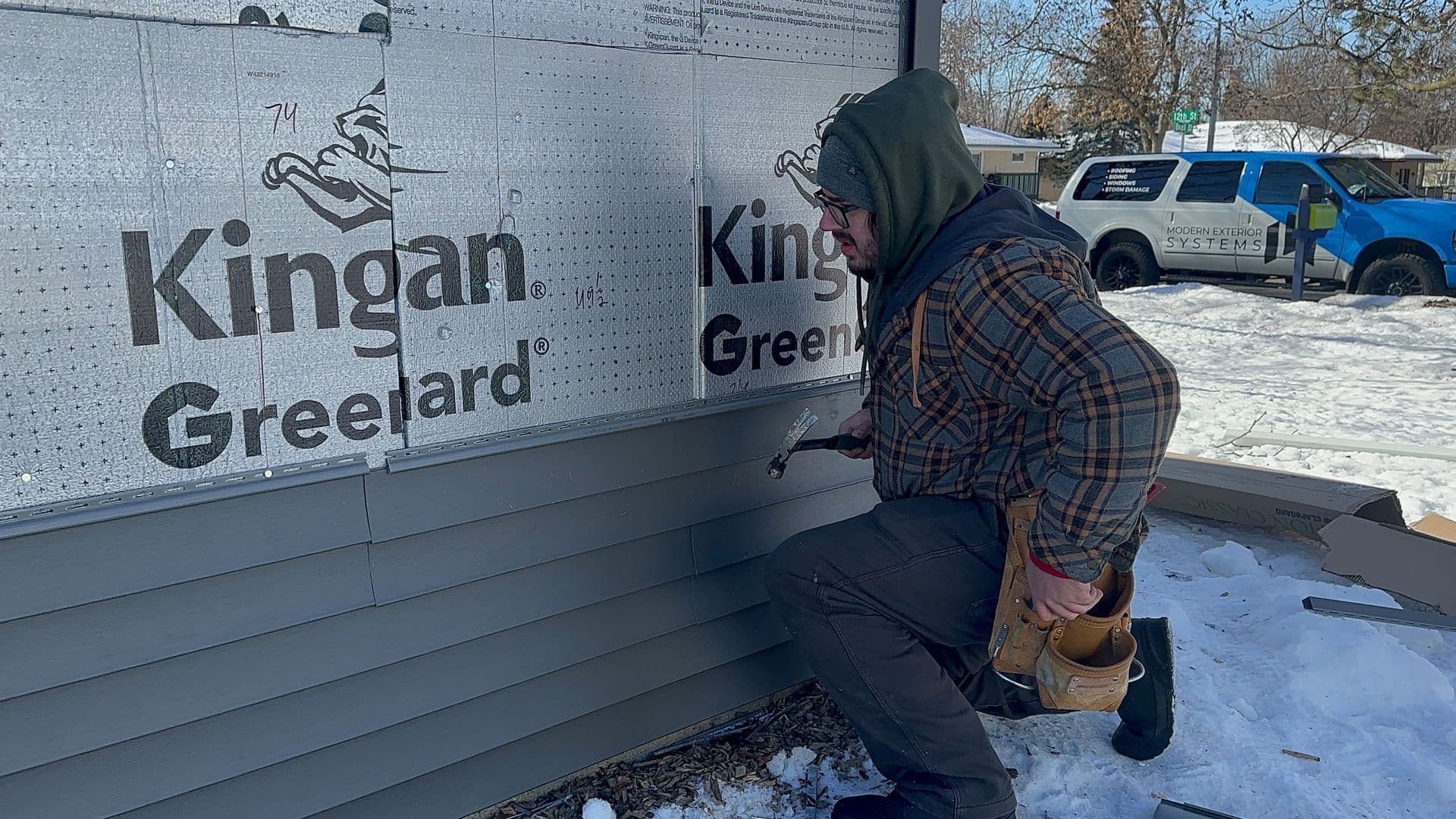
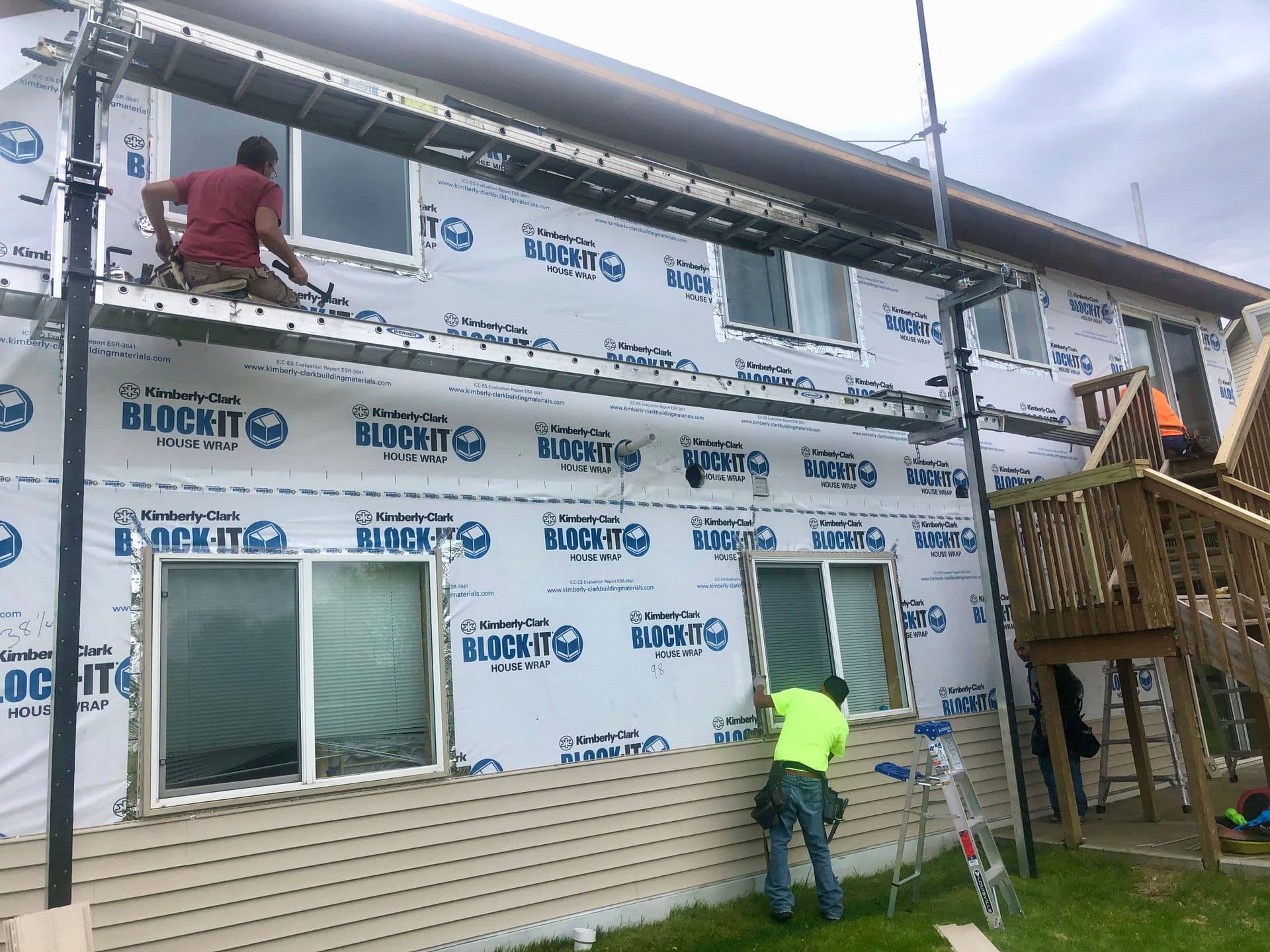
When siding comes off, you get a one-time look at everything behind it — the house wrap, the flashing around windows and doors, the sheathing. A re-side done right isn't just new panels; it's new weather-resistive barrier and properly flashed openings. That's the part that actually keeps water out of your wall for the next 30 years, and it's the part a cheap quote skips. When you're weighing "worth it," weigh that in — you're not just buying a look, you're buying a properly sealed building envelope.
Joe's Note
The worst siding jobs I get called to fix aren't old — they're new. Somebody installed beautiful panels right over questionable house wrap and bad window flashing, and two years later there's moisture in the wall. If you're going to spend the money, the value isn't in the brand of siding. It's in whether the crew does the boring, invisible water-management stuff underneath it correctly. Ask any contractor how they'll handle the house wrap and window flashing. If they look at you funny, keep calling.
Frequently Asked Questions
Does new siding increase home value?
It helps, mostly through curb appeal and by removing a red flag for buyers. New siding consistently returns a meaningful share of its cost at resale and makes the whole house show better, but it generally doesn't return more than you put in on looks alone. The strongest financial case is when the old siding is failing and you're preventing structural damage.
Is it cheaper to repair or replace siding?
Repair is cheaper if the damage is isolated — a few panels from a storm, one bad elevation. Replacement makes more sense when the damage is widespread, the siding is at the end of its life, or you're chasing repairs every year. The tipping point is usually when you're patching the same problems repeatedly or finding moisture behind the surface.
How do I know if my siding needs to be replaced?
Look for rot, warping or buckling, panels that are loose or holding moisture, peeling paint that returns quickly after you repaint, and any soft spots in the wall behind the siding. Inside signs count too — unexplained drafts, higher heating bills, or moisture and mildew on interior walls can trace back to a failing exterior.
What's the best siding for Minnesota's climate?
There's no single answer, but engineered wood (LP SmartSide) and fiber cement (James Hardie) both handle our freeze-thaw swings well and hold a factory finish far longer than old wood or hardboard. Steel is the toughest against weather and impact. Vinyl is the budget option but can get brittle in deep cold. I install the first three regularly and match the product to the house and the budget.
How long does new siding last?
Engineered wood and fiber cement routinely last 30+ years with minimal upkeep when they're installed correctly over good house wrap and flashing. Steel can go even longer. The install quality underneath matters as much as the material — bad water management shortens any product's life.
How long does a siding replacement take?
A typical Twin Cities home takes about one to two weeks depending on size, the material, and the weather. Homes that turn up rot or sheathing damage once the old siding is off take longer, since that has to be repaired before the new siding goes on.
Get an Honest Read on Your Siding
If you're not sure whether your siding is worth replacing, I'll come look at it and tell you straight — whether you've got a real problem, a few more good years, or just a color you're tired of. Modern Exterior Systems installs LP SmartSide, James Hardie, and EDCO steel siding across Eden Prairie, Minneapolis, and 90+ Twin Cities communities. Free measurement, line-by-line written quote, no high-pressure sales. Call 952-206-6339 or request your free estimate online.
Modern Exterior Systems is a women-owned, family-operated roofing and exterior contractor based in Eden Prairie, MN, serving the Twin Cities metro. Owner Joe Dvorak brings 20+ years of hands-on construction experience, CertainTeed ShingleMaster, Malarkey Emerald Pro, and Atlas Pro+ certifications, and a LIFETIME workmanship warranty to every residential project. an A+ rating with the BBB.