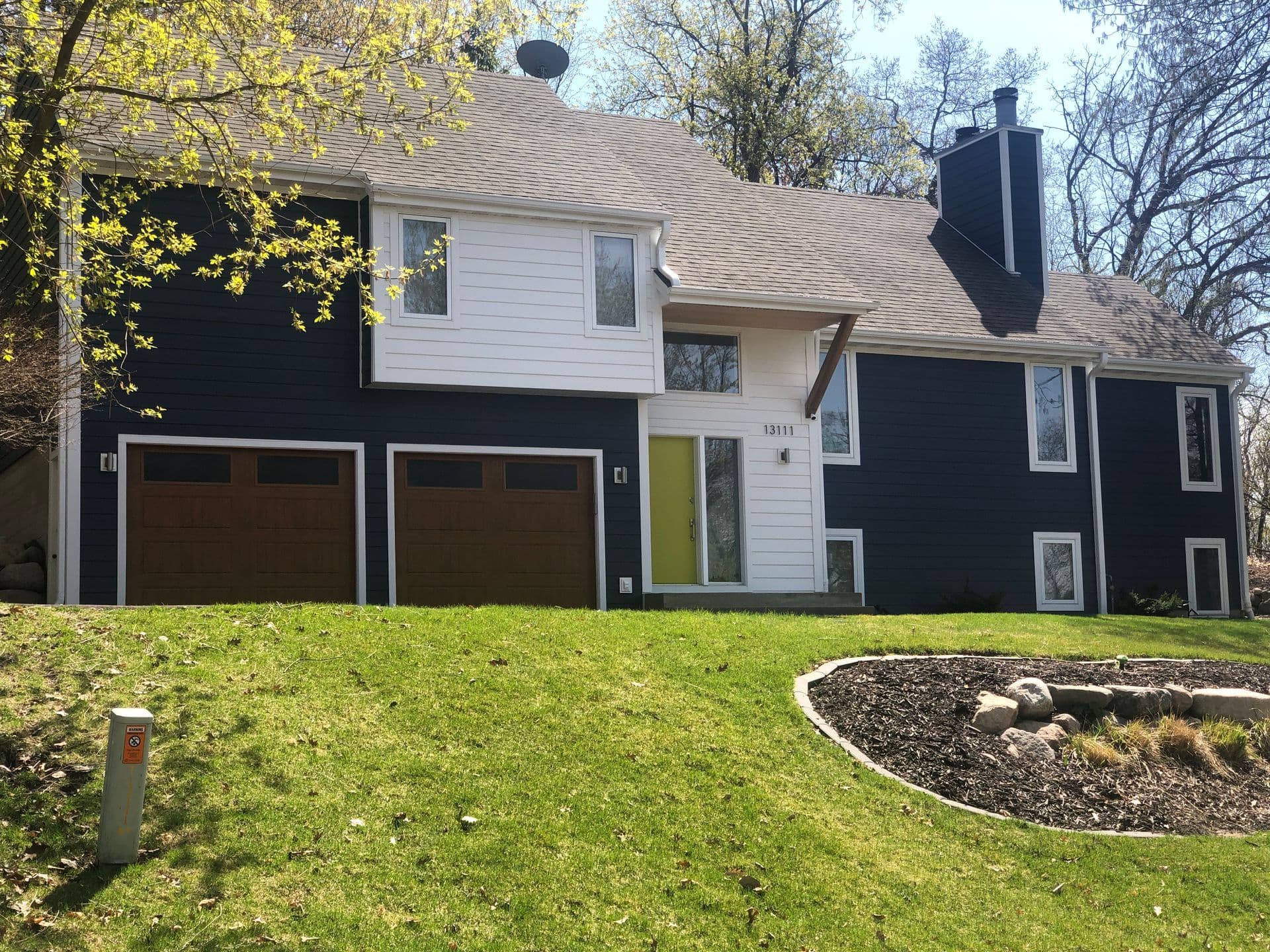
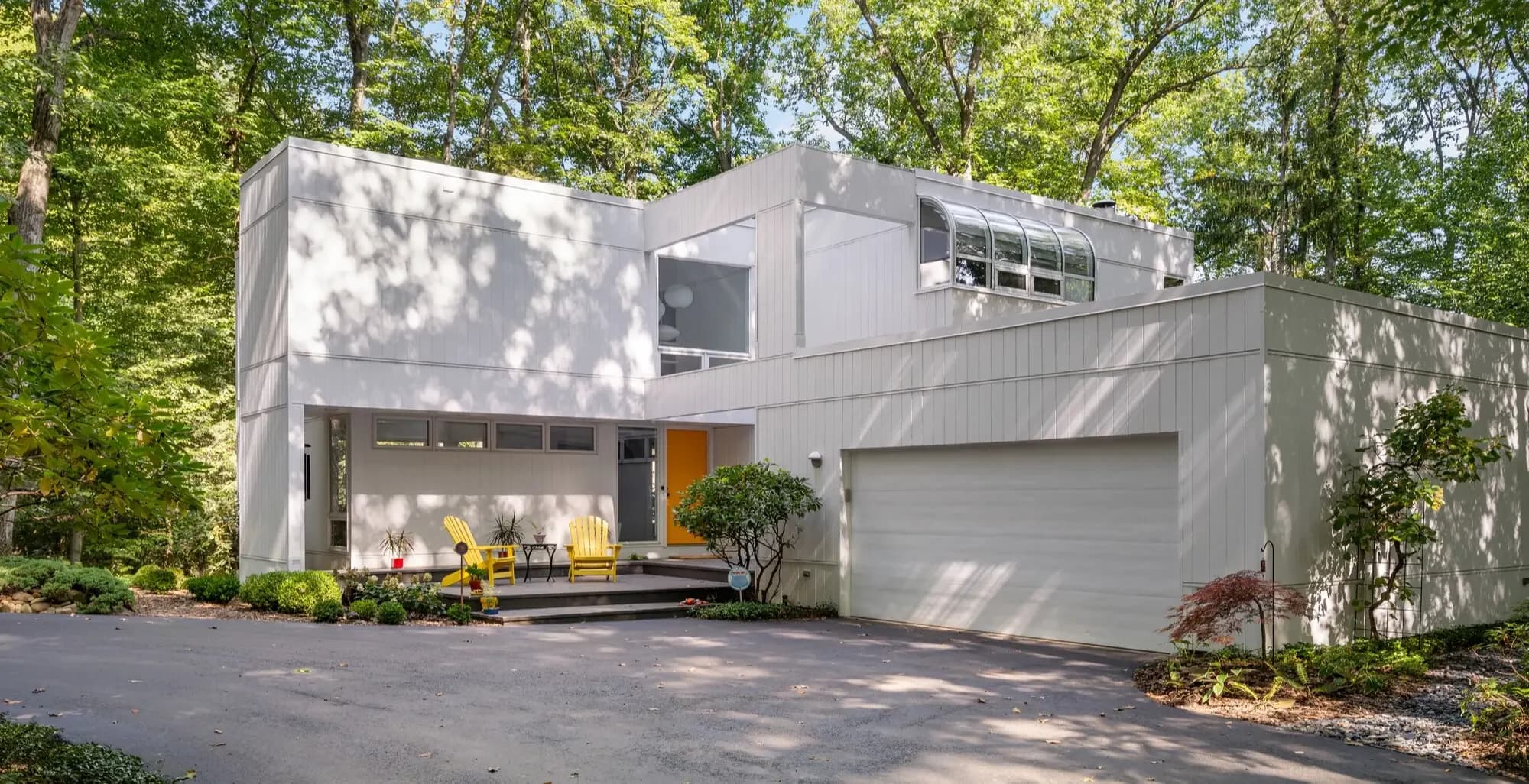
I've been installing James Hardie in Minnesota for 20 years, and I'm a James Hardie Preferred Contractor. So understand what this article is: not a takedown, and not a brochure. It's the conversation I have at kitchen tables when a homeowner says "everyone tells me Hardie is the best" and wants to know what the catch is.
There is a catch. A few of them, actually. Hardie is a genuinely excellent product — fiber cement, which is literally sand, water, cellulose fibers, and Portland cement — and on the right house it's what I recommend. But I've also torn off plenty of Hardie where things went wrong, and the pattern in those failures is worth knowing before you spend Hardie money.
The short version
James Hardie's real problems in Minnesota come down to five things: it's the most expensive mainstream siding you can buy here, hail can crack it, water will find any installation shortcut, it's heavy and unforgiving to install, and the warranty numbers need a closer read than the sales sheet gives them. None of those are dealbreakers. All of them are real.
Problem #1: The price tag
A typical Twin Cities full-house Hardie install runs $22,000 to $40,000+ — against $18,000 to $32,000 for LP SmartSide and $12,000 to $20,000 for decent vinyl. And the gap isn't mostly material. Hardie is heavier, cuts slower, and demands more labor. You're paying for craftsmanship hours, and there's no honest way to shortcut them.
If the budget question is the deciding question, read my three-way comparison — for a lot of average Twin Cities homes, LP SmartSide ExpertFinish gets you most of the look and durability at a friendlier number.
Problem #2: Hail can crack it
This is the one that matters most here and gets talked about least. We get real hailstorms most summers, and fiber cement is rigid. Where an engineered-wood plank flexes and absorbs a hit, rigid fiber cement can crack. I've pulled cracked Hardie planks off homes after a storm.
That doesn't make Hardie fragile — it shrugs off what would dent aluminum and it will never take woodpecker damage the way wood products can. But if you're in a hail-prone pocket of the metro and your insurance deductible is steep, the flex-versus-crack difference belongs in your decision. (And if a storm already hit your siding, start with the claims and matching guide before anyone sells you anything.)
Problem #3: Water — if the install cuts corners
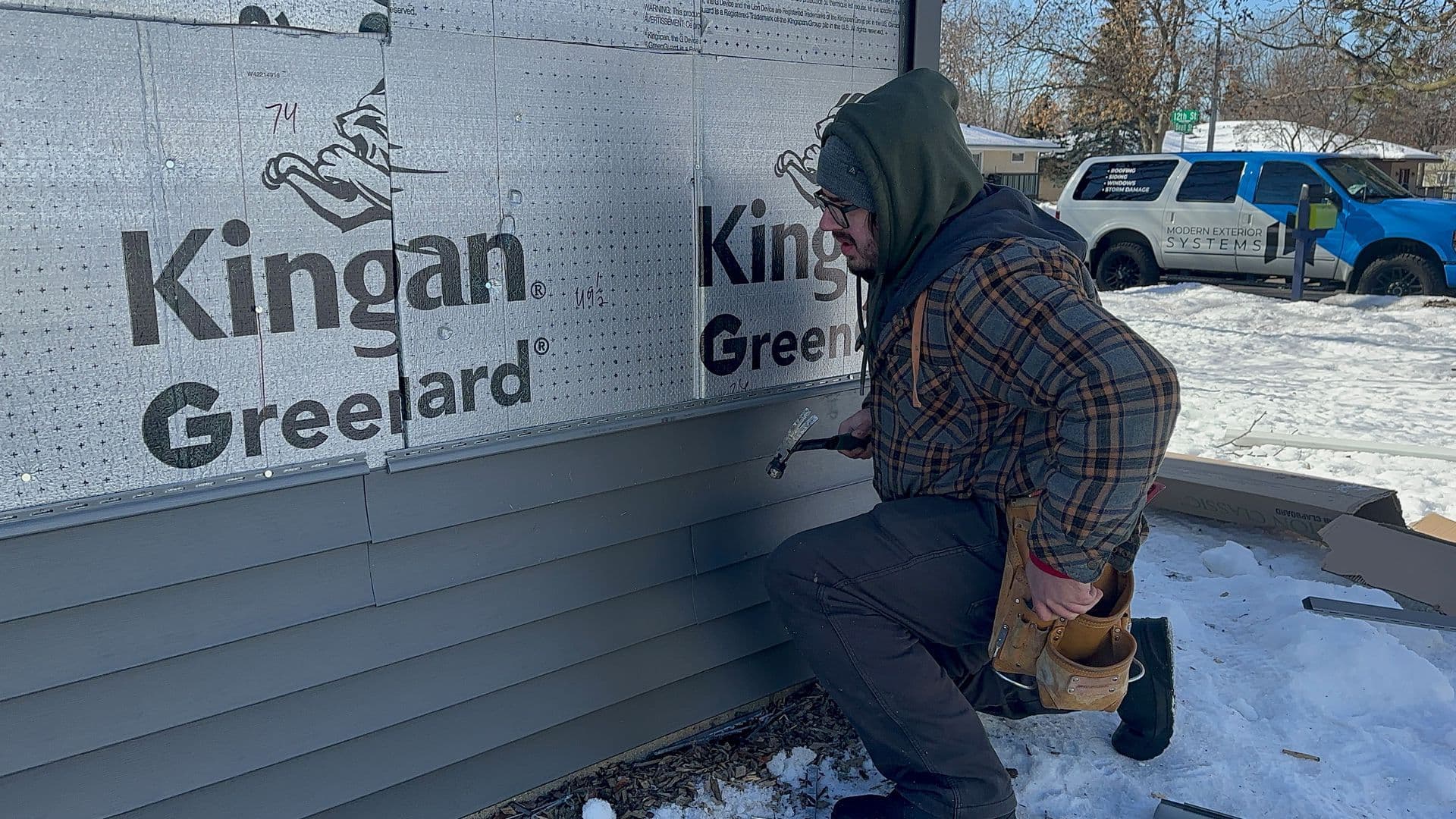
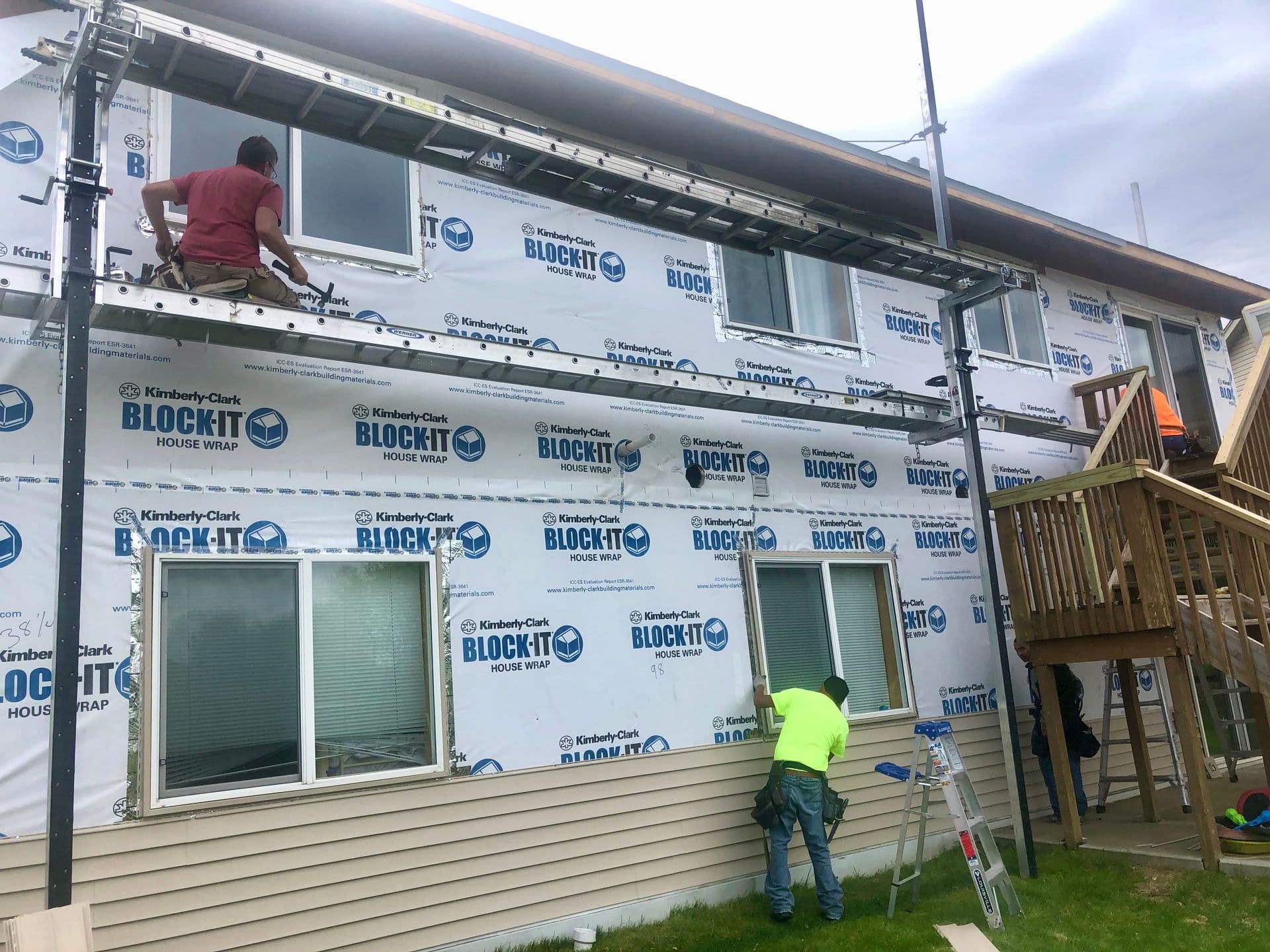
Fiber cement absorbs water. That's not a defect; it's chemistry. Hardie handles Minnesota freeze-thaw fine when it's installed right — weather-resistive barrier behind it, real flashing instead of caulk, the specified gaps (1/8" between boards, 1/4" at corners, 3/8" at trim), kick-out flashing where roof meets wall, and nothing below grade.
Skip any of those and water gets behind it, quietly, for years. I wrote a whole post on the six install failures that let water behind Hardie board because I've torn off enough of it to know the pattern by heart. I've seen below-grade Hardie fail in 10 to 15 years when the same product installed properly elsewhere lasts 40-plus. The product rarely fails. The install does.
Problem #4: It punishes mediocre crews
Hardie planks are heavy. They cut slower, they snap if they're carried flat by one guy, and the spacing and clearance specs aren't suggestions — miss them and you've built the water problem from Problem #3 into a brand-new wall. This is why the labor line on a Hardie quote looks the way it does, and why the cheapest Hardie bid is the one I'd trust least. A discount on fiber-cement labor is a discount on the only thing standing between the product and its failure mode.
Problem #5: Read the warranty numbers twice
Hardie's substrate warranty is 30 years, non-prorated. LP SmartSide's is 50 years, limited and prorated. Salespeople on both sides quote their number like it ends the argument. It doesn't — a 30-year warranty that pays the same in year 29 as year 2 is structurally stronger than a longer one that shrinks over time, but it is the shorter number, and you should decide which structure you value instead of taking either side's framing. The ColorPlus factory finish carries its own 15-year finish warranty; chips and touch-ups along the way are on you.
So why do I still install it?
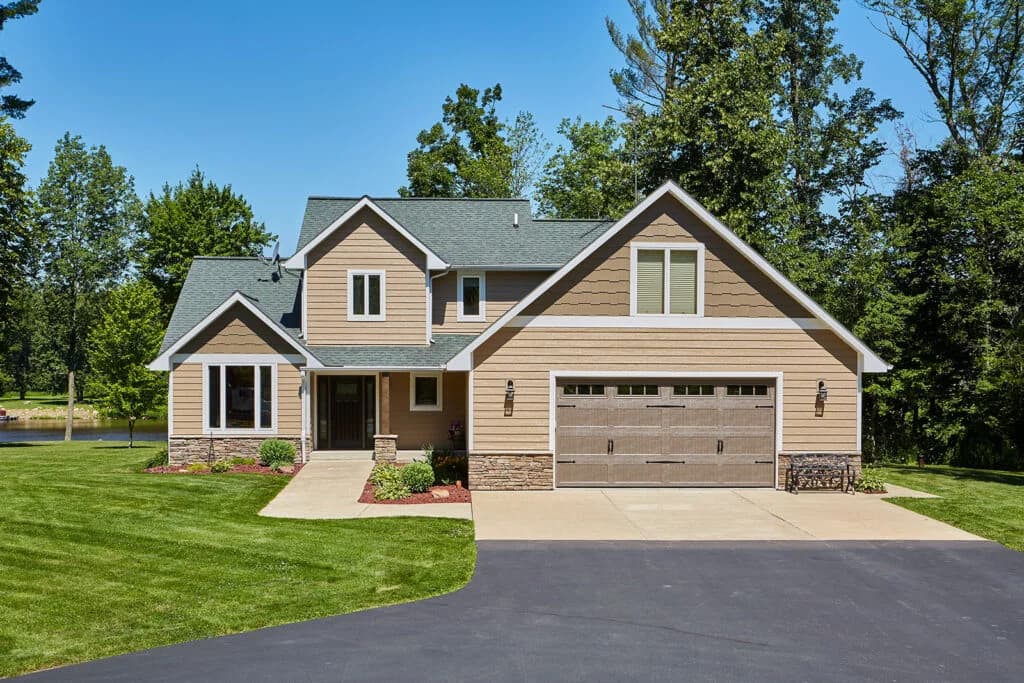
Because on the right house, nothing else does what Hardie does. It's non-combustible — the fire rating is real, not marketing. It has zero appetite for woodpeckers. Installed to spec it rides out freeze-thaw for four or five decades, and it holds the premium look that makes people stop in front of a house. On forever homes, high-end remodels, and anywhere fire resistance matters, Hardie is my recommendation and I'll say so in writing.
What I won't do is pretend the tradeoffs aren't there. The homeowner who chooses Hardie knowing it costs more, can crack in hail, and lives or dies on install quality is a homeowner who ends up happy with it.
When Hardie makes sense — and when I'd point you elsewhere
Go Hardie if this is your forever home, fire resistance matters, you want maximum durability with zero water absorption in the product itself, and the budget carries the labor it deserves.
Go LP SmartSide if hail exposure and budget lead the decision — it flexes instead of cracking and installs for less.
Go vinyl if the house is a 10-to-15-year hold and the math has to stay lean.
That's the whole framework. The rest is your house, your street, and your horizon.
FAQ
What are the biggest problems with James Hardie siding?
Cost ($22,000–$40,000+ installed for a typical Twin Cities home), rigidity in hail (fiber cement can crack where engineered wood flexes), water intrusion when installation shortcuts are taken, demanding installation that punishes cheap labor, and warranty terms that need reading (30-year non-prorated substrate, 15-year ColorPlus finish).
Does James Hardie crack in hail?
It can. Fiber cement is rigid, and I've pulled cracked Hardie planks off Twin Cities homes after storms. It resists dents and woodpeckers better than almost anything, but a direct hit from large hail can fracture a plank where LP SmartSide would flex and absorb it.
Does water get behind Hardie board?
Only when the install lets it — missing weather barrier, caulk where flashing belongs, ignored expansion gaps, no kick-out flashing, or boards run below grade. Fiber cement absorbs water, so those shortcuts compound quietly. Done to spec, Hardie handles Minnesota moisture for decades.
Is James Hardie worth the extra cost over LP SmartSide?
Sometimes. Hardie wins on fire resistance and product-level water absorption; LP wins on hail behavior, install cost, and warranty length. For many average Twin Cities homes I'd call LP ExpertFinish the better value; for forever homes and high-end projects, Hardie earns its premium.
How long does James Hardie last in Minnesota?
40 to 50 years installed correctly — and I've seen below-grade or badly flashed installs fail in 10 to 15. Install quality, not the product, is the variable that decides which number you get.
Who should install James Hardie?
A crew that does fiber cement regularly — the weight, cutting, and spacing specs are unforgiving. Modex is a James Hardie Preferred Contractor — here's our Hardie install page; whoever you hire, ask specifically how they handle flashing, expansion gaps, and kick-outs, and walk away from anyone whose answer is "caulk."
Ready for real numbers on Hardie — or an honest opinion on whether your house even needs it? Call Modern Exterior Systems at 952-206-6339. I'll come out, measure everything, and give you a line-item quote for Hardie next to LP and vinyl so you can compare with real figures. No pressure. Or request your free estimate online.
Modern Exterior Systems is a women-owned, family-operated roofing and exterior contractor based in Eden Prairie, MN, serving the Twin Cities metro. Owner Joe Dvorak brings two decades of hands-on construction experience, CertainTeed ShingleMaster and Malarkey Emerald Pro certifications, and a LIFETIME workmanship warranty to every project. BBB A+ rating.