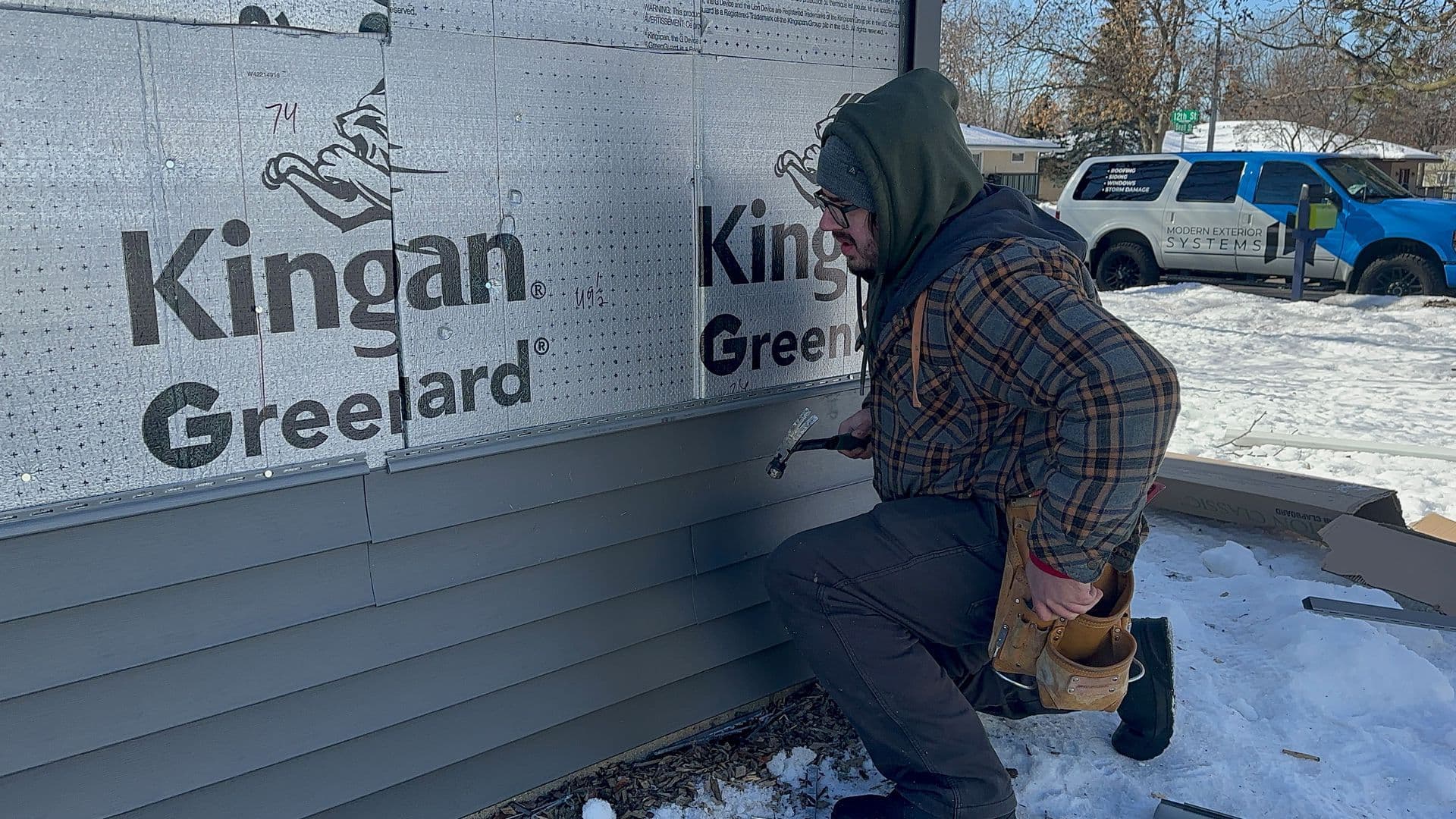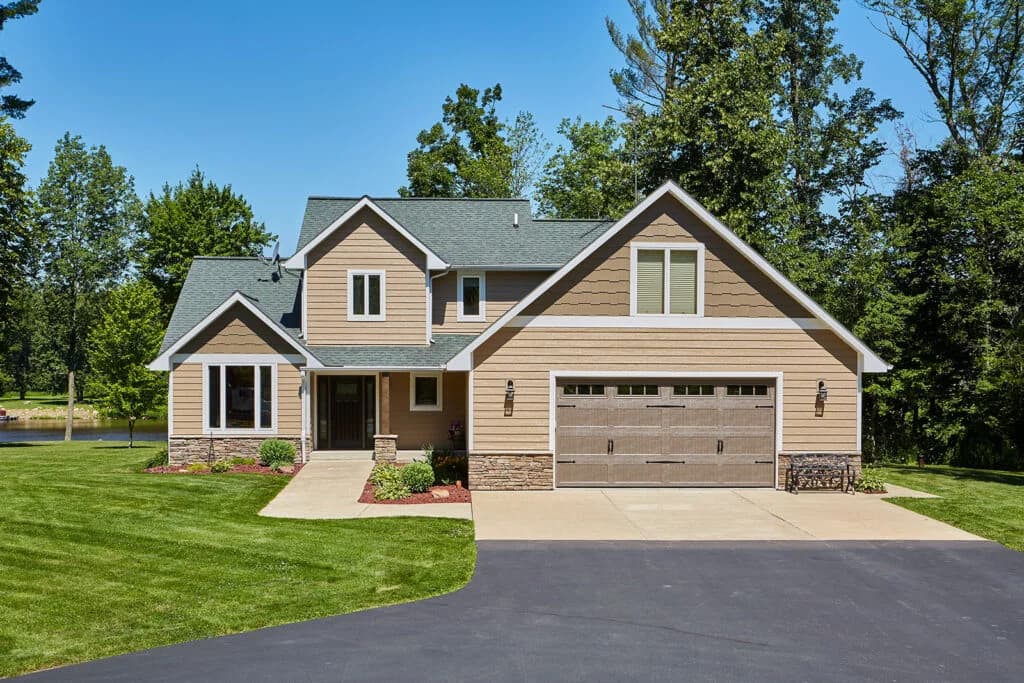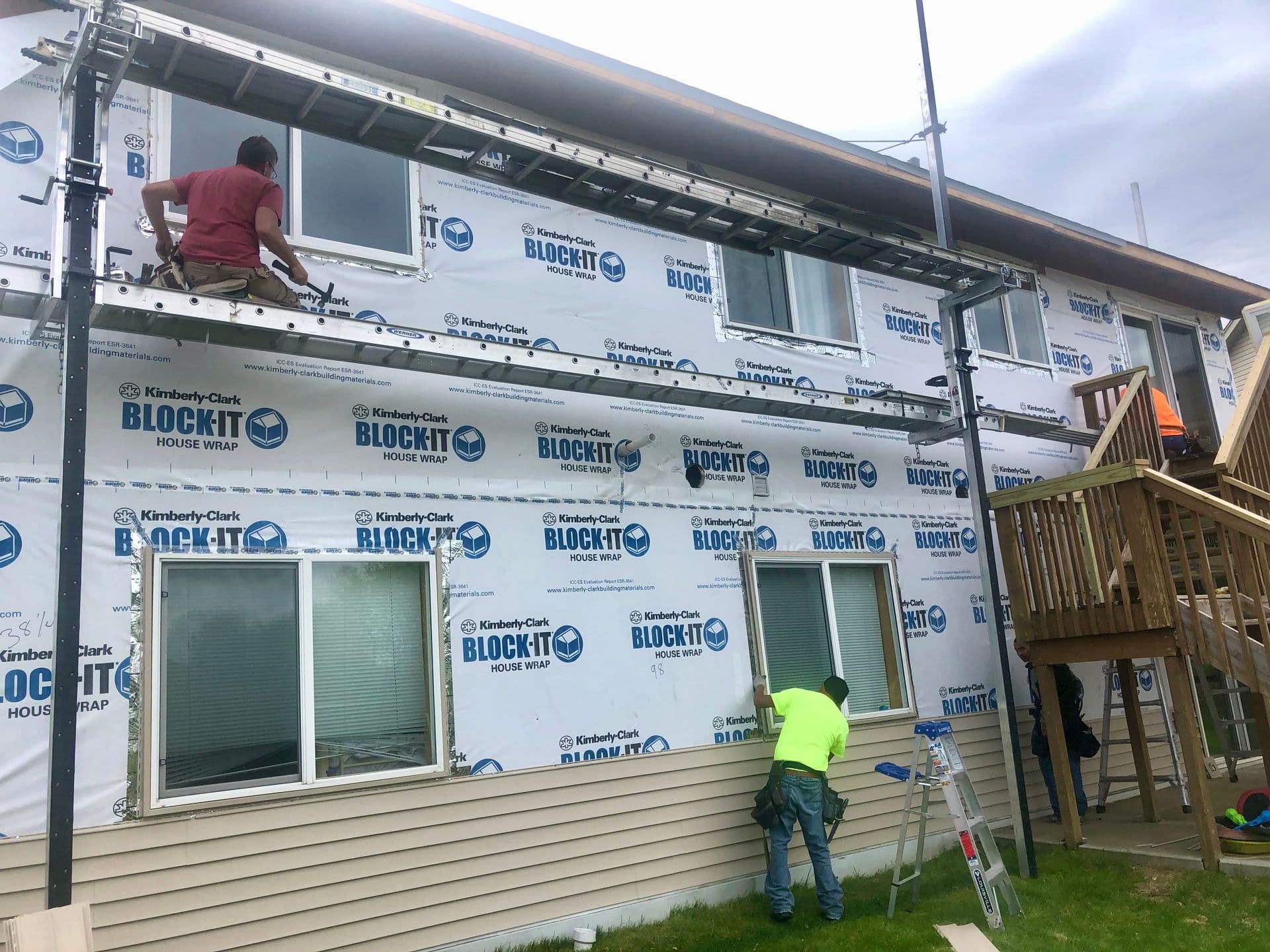
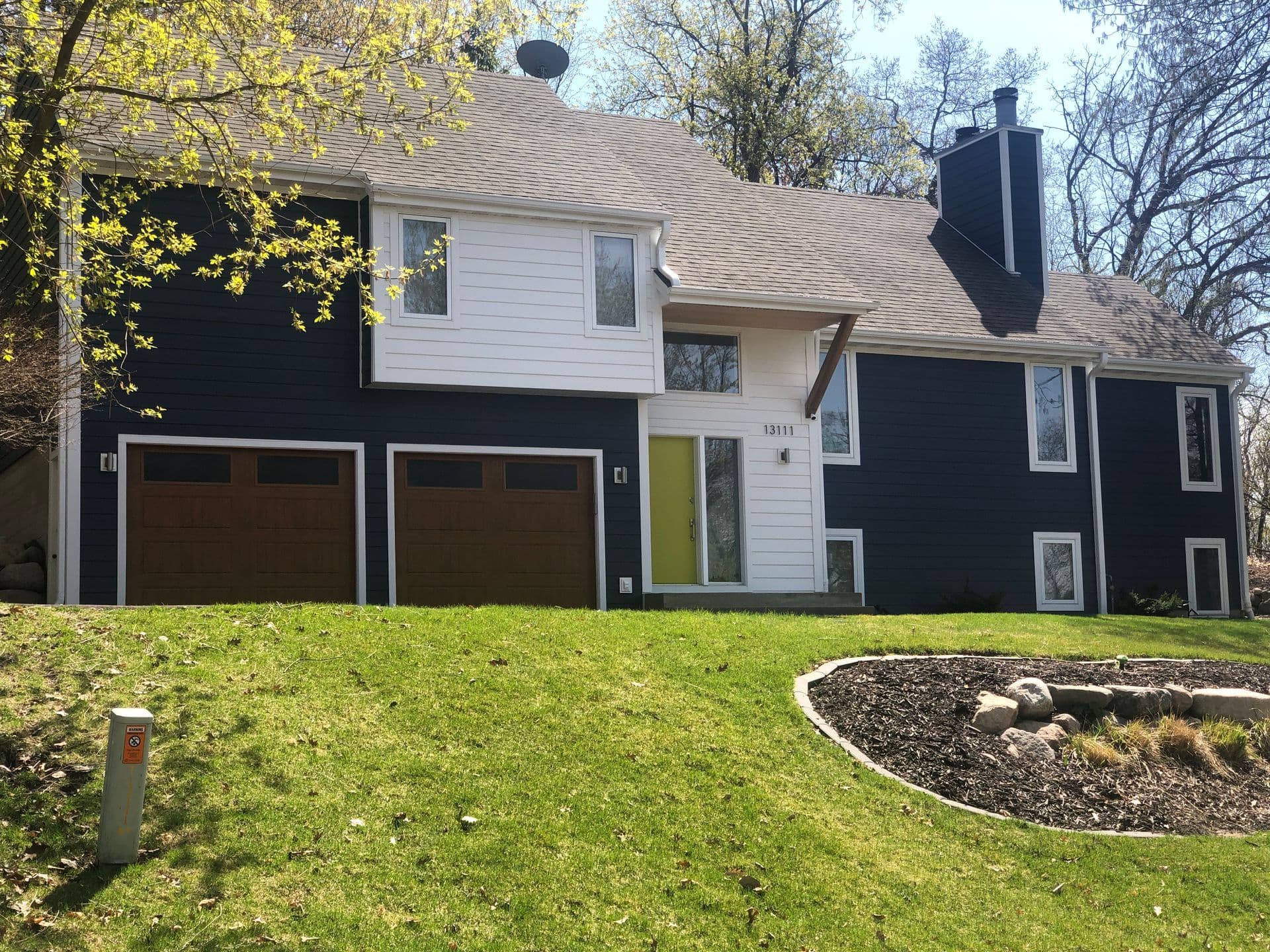
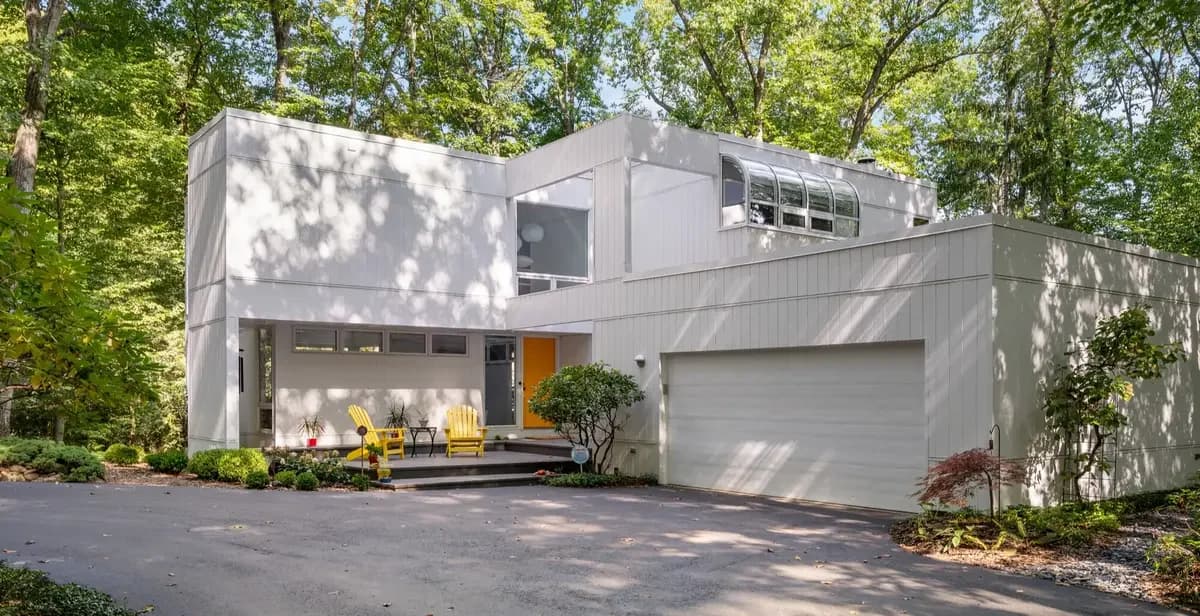
I've hung all three of these on Twin Cities homes — vinyl, LP SmartSide, and James Hardie. Not read about them. Installed them, in February, with the wind coming off the lake and my crew's hands going numb. So when somebody in Edina or Plymouth asks me which siding is "the best," my honest answer is: best for what, and best for whose budget?
There's no universally right siding. There's the right siding for your house, your neighborhood, and how long you plan to live there. Let me walk you through the real tradeoffs, because the brochures won't.
The Short Version
If you want the cheapest option that still looks fine and you're okay replacing it sooner, vinyl. If you want the look of real wood, easier installation, and a strong warranty without the weight and dust of cement, LP SmartSide. If you want the longest-lasting, most fire- and impact-resistant product money can buy and you don't mind paying for it, James Hardie.
That's the whole article in three sentences. Now here's why.
Vinyl Siding: The Budget Workhorse
Vinyl is PVC, and it's been on Minnesota houses for 40 years for one reason — it's affordable and basically maintenance-free. You never paint it. You hose it off in spring. Done. The vinyl I install is CertainTeed and Mastic (Ply Gem), and I bring those two up specifically because the brand and the line matter more with vinyl than with almost any other product.
Here's what most homeowners miss: builder-grade vinyl and premium vinyl are not the same material in practice. The thin stuff a flipper staples on does get brittle and crack in deep cold — I've pulled panels that shattered from a kid's snowball after a January cold snap. But the better lines are engineered against exactly that. Mastic's Quest uses what they call Tri-Linear Rigidity for roughly 200% more rigidity than standard siding, and their Ovation line runs SolarDefense with a No Fade, No Distortion promise to fight the fade you used to see on south- and west-facing walls. CertainTeed's range runs from MainStreet on the value end up to the thicker Monogram profile.
If you want vinyl that actually competes with engineered wood on comfort, you step up to insulated vinyl — CertainTeed CedarBoards or Mastic's Structure Home Insulation System. Both bond a foam backer to the panel, which adds real thermal performance, knocks down outside noise, and stiffens the panel so it takes a hit better. On a Minnesota house, that insulation is doing something every single winter. The warranties are strong too: Mastic carries a transferable limited lifetime warranty (up to 50 years, and it follows the house to a new owner), and CertainTeed's vinyl lines carry a lifetime limited warranty as well.
What I don't love about vinyl: Even the good lines are still plastic. Up close, the seams and hollow profile read cheaper than wood or cement, especially on a higher-end home. The budget grades crack in deep cold and fade over 12 to 15 years. And outside of the insulated lines, standard vinyl offers little in an impact or hail situation — it's the easiest of the three to punch a hole through. Spend up to CedarBoards or Structure and a lot of those complaints shrink, but you're also closing the price gap with LP SmartSide at that point.
LP SmartSide: Engineered Wood That Behaves
LP SmartSide is engineered wood — wood strands bound with waxes, resins, and zinc borate through their proprietary SmartGuard process. That zinc borate is the key. It's what resists fungal decay and termites, and it's why engineered wood holds up where old-school hardboard siding used to rot and swell. (LP has its own honest-downsides list — I wrote that one up too.)
Here's what I like about it as an installer: it cuts and nails like wood because it basically is wood. My crews move faster, the cut ends aren't kicking up silica dust, and the panels are lighter than fiber cement, which matters on a two-story in the cold. The factory-finished ExpertFinish line comes in 16 colors and 3 textures, and the finish carries a 15-year warranty.
The warranty is genuinely strong. LP SmartSide carries a 5/50-year prorated limited warranty: the first five years are 100% labor and material replacement, then a 50-year prorated material warranty after that. It also covers hail damage up to 1.75 inches in diameter when it's properly installed. For Minnesota, where hail is a when-not-if, that hail coverage is worth reading carefully.
What I don't love about LP SmartSide: It's still wood, which means it depends on the finish and the caulk holding up. If you go with the primed-and-paint version instead of ExpertFinish, you're on the hook to repaint down the road — usually 7 to 12 years out here. And a bad install — unsealed cut ends, sloppy flashing — will let moisture in faster than fiber cement would. The product is forgiving; a careless crew is not.
James Hardie: The Long-Haul Choice
James Hardie is fiber cement — literally sand, water, cellulose fibers, and Portland cement. It's the heaviest, hardest, longest-lasting of the three, and it's the one I'd point a "forever home" client toward. (It has real downsides too — I wrote up the honest Hardie problems list separately.)
The thing most homeowners don't know is that Hardie engineers its product by climate. In Minnesota we install the HZ5 line — the cold-climate formulation built for freezing temps, big seasonal swings, and snow and ice. HZ5 boards are engineered to resist the shrinking, swelling, and cracking that wreck lesser products through a Minnesota freeze-thaw cycle. We can swing 50 degrees in 24 hours in March, and that's exactly the abuse HZ5 is made for.
Hardie's substrate warranty is 30 years, non-prorated — meaning it doesn't shrink in value over time the way a prorated warranty does. The ColorPlus factory finish carries its own 15-year warranty covering paint and labor against peeling, cracking, and chipping. Fiber cement is also non-combustible, which is a real plus and sometimes nudges your insurance.
What I don't love about James Hardie: It's expensive, and it's labor-intensive. The boards are heavy, they cut slow, and cutting them kicks up silica dust that my crews have to manage with the right blades and protection. All of that lands in the price. It's also less forgiving of bad measuring — there's no stretching a cement board. You pay for the product and you pay for the craftsmanship, and on the wrong house it's more siding than the home needs.
Cost Comparison (Installed, Twin Cities)
These are real installed ranges I see on Twin Cities projects — material plus labor, for a typical 2,000-square-foot home. Your number moves with wall height, trim detail, tear-off, and how much prep the house needs.
| Siding | Installed cost (2,000 sq ft home) | Lifespan here | Repaint? |
|---|---|---|---|
| Vinyl | $12,000 – $20,000 | 15–25 years | Never |
| LP SmartSide | $18,000 – $32,000 | 30–40 years | ExpertFinish: no for 15 yrs; primed: ~10 yrs |
| James Hardie | $22,000 – $40,000+ | 40–50 years | ColorPlus: no for 15 yrs |
The gap between vinyl and Hardie can be $15,000 or more on the same house. That's not a small decision, and it's exactly why I won't just tell you "go with Hardie." If you're selling in five years, that money may never come back to you.
When Each One Makes Sense
Go vinyl if you're on a tight budget, it's a rental or a flip, or the home is a modest rambler where the upgrade money is better spent elsewhere. Just know what you're getting.
Go LP SmartSide if you want the warm look of real wood, a strong hail-inclusive warranty, and a faster, cleaner install — and you like that ExpertFinish takes painting off your plate for 15 years. This is the one I land on most often for Twin Cities homes that want to look great without going all the way to cement. If you've already narrowed it to engineered wood versus fiber cement, I go deeper in my LP SmartSide vs James Hardie comparison.
Go James Hardie if this is your forever home, you want maximum durability and fire resistance, and the long, non-prorated warranty matters to you more than the upfront cost. On a premium home in Edina or a lake place in Minnetonka, it's often the right call.
The Bottom Line From a Guy Who Installs All Three
I don't have a horse in this race — I make my living installing whichever one fits your house. If you forced me to pick the best overall value for the average Twin Cities home, I'd say LP SmartSide ExpertFinish, because it gets you most of the look and durability of Hardie at a friendlier price with an easier install. If money's no object and you're never moving, Hardie. If money's tight, vinyl, with eyes open.
The bigger truth: the installer matters more than the brand. I've seen beautiful Hardie ruined by bad flashing and I've seen 20-year-old vinyl still tight because someone hung it right. Pick the product for your budget, then pick the crew like your house depends on it. It does.
Frequently Asked Questions
Is LP SmartSide better than vinyl in Minnesota cold?
In my experience, yes — and it's not close. Vinyl gets brittle and cracks in deep cold; LP SmartSide is engineered wood treated to resist moisture and decay, and its warranty even covers hail up to 1.75 inches. You pay more, but it holds up to our winters far better.
Does James Hardie really last 40 to 50 years here?
The HZ5 cold-climate boards we install in Minnesota are built for freeze-thaw, and the substrate warranty is 30 years non-prorated. With a proper install, 40 to 50 years of service life is realistic. The factory ColorPlus finish is what carries the separate 15-year paint warranty.
Which siding is best for resale value?
For most Twin Cities homes, LP SmartSide and James Hardie both read as upgrades to buyers and appraisers, while vinyl reads as standard. If you're selling soon, weigh that against the higher upfront cost — you don't always recover the full premium in five years.
Do I ever have to paint LP SmartSide or Hardie?
Not for a long time if you choose the factory-finished versions. LP SmartSide ExpertFinish and Hardie ColorPlus both carry 15-year finish warranties. If you buy the primed-and-paint version of either, plan to repaint roughly every 10 to 15 years in our climate.
How much more does Hardie cost than vinyl?
On a typical 2,000-square-foot Twin Cities home, the installed gap is often $10,000 to $20,000. Hardie is heavier, cuts slower, and demands more labor — that craftsmanship is most of the difference.
Can you put new siding over old siding?
Sometimes, but I rarely recommend it. Going over old siding hides what's underneath — rot, bad sheathing, missing house wrap. On any of these three products, I'd rather tear off, inspect, fix what's wrong, and install onto a sound, properly wrapped wall.
Ready for real pricing on your siding project? Call Modern Exterior Systems at 952-206-6339. I'll come to your home, measure everything, and give you a detailed written quote — line by line, not a lump number — for whichever product fits your house and budget. No high-pressure sales. You can also request your free estimate online.
Modern Exterior Systems is a women-owned, family-operated roofing and exterior contractor based in Eden Prairie, MN, serving the Twin Cities metro. Owner Joe Dvorak brings 20+ years of hands-on construction experience, is an LP SmartSide Preferred Contractor and a James Hardie Alliance Preferred Contractor, and backs every residential project with a LIFETIME workmanship warranty. an A+ rating with the BBB.