

Joe Dvorak | Modern Exterior Systems (Modex) • Updated: July 2026
I install LP SmartSide, I'm an LP SmartSide Preferred Contractor, and I'd put it on my own house. So this isn't a hit piece. But if you're only reading the manufacturer's brochure, you're getting half the story — and half the story is how people end up disappointed. Here's the honest downside list from a guy who hangs this stuff on Twin Cities homes and goes back to look at it years later.
The short version
LP SmartSide is engineered wood, not fiber cement. That's the whole trade-off in one sentence. It's lighter, easier to work with, takes paint beautifully, and costs less than James Hardie — but it's a wood-based product, which means it lives and dies by two things: the quality of the installation, and whether you keep up with paint. Get those right and it's excellent. Get them wrong and you'll see the disadvantages up close.
Disadvantage #1: It needs repainting
This is the big one people underestimate. LP SmartSide comes with a factory prefinish or primer, but it is a paintable, wood-based product, and paint is a maintenance item. In Minnesota's freeze-thaw and UV, you're generally looking at repainting every 7 to 15 years depending on the finish, color, and sun exposure. South- and west-facing walls fade and chalk first.
Fiber cement holds its factory color longer. So if your dream is "install it and never touch it," SmartSide isn't quite that — it's "install it, and plan on a repaint about once a decade." That repaint isn't a flaw; it's the deal. Just know it going in.
Disadvantage #2: Moisture is the enemy if the install is sloppy
SmartSide is treated engineered wood — LP's SmartGuard process adds zinc borate and a resin binder that resists rot and termites far better than old-school hardboard. But it's still wood fiber at the core. Water intrusion at a bad cut edge, a missing gap at the bottom course, or siding run too close to the ground or a roofline can wick moisture and cause swelling or rot over time.
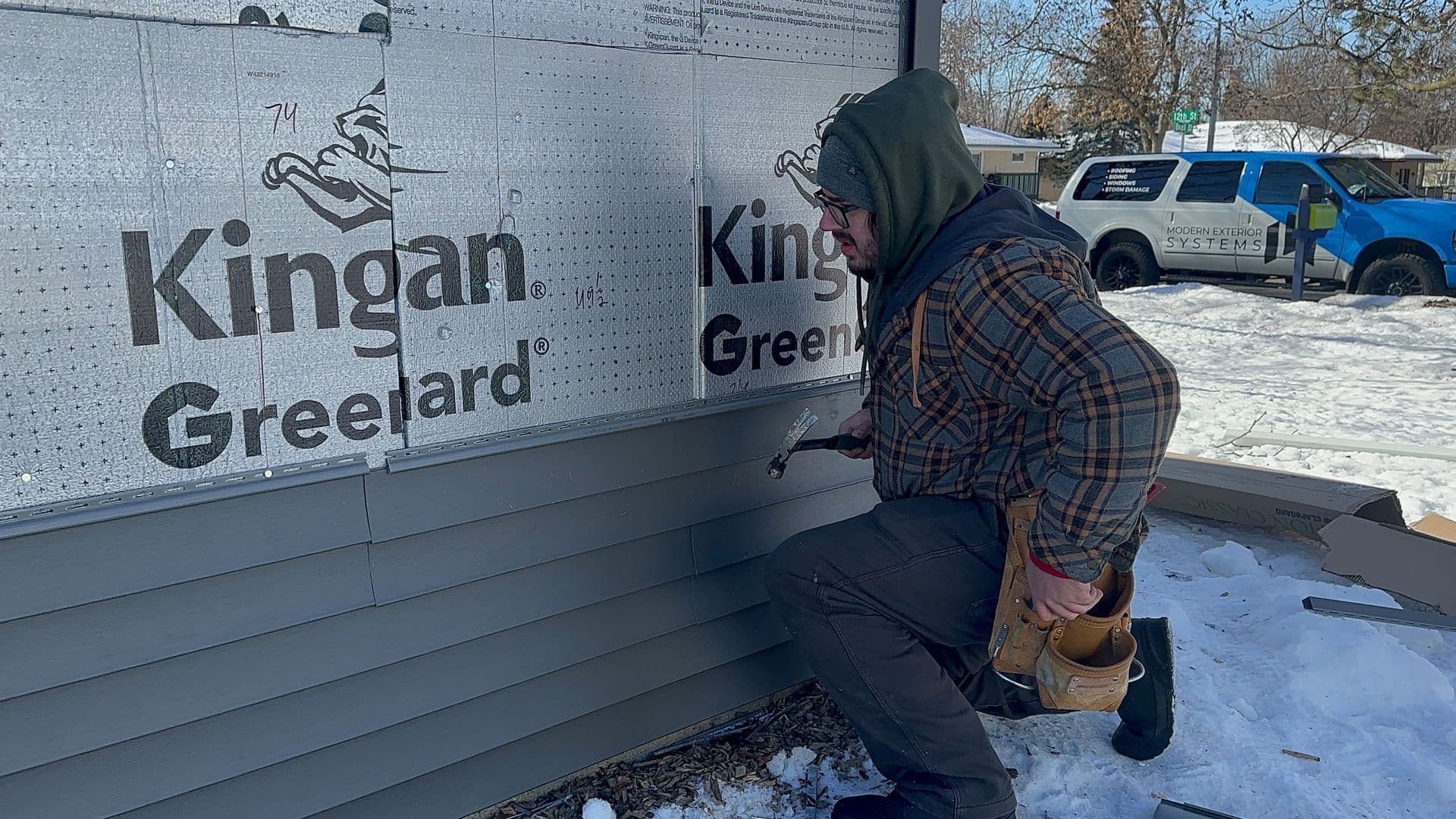
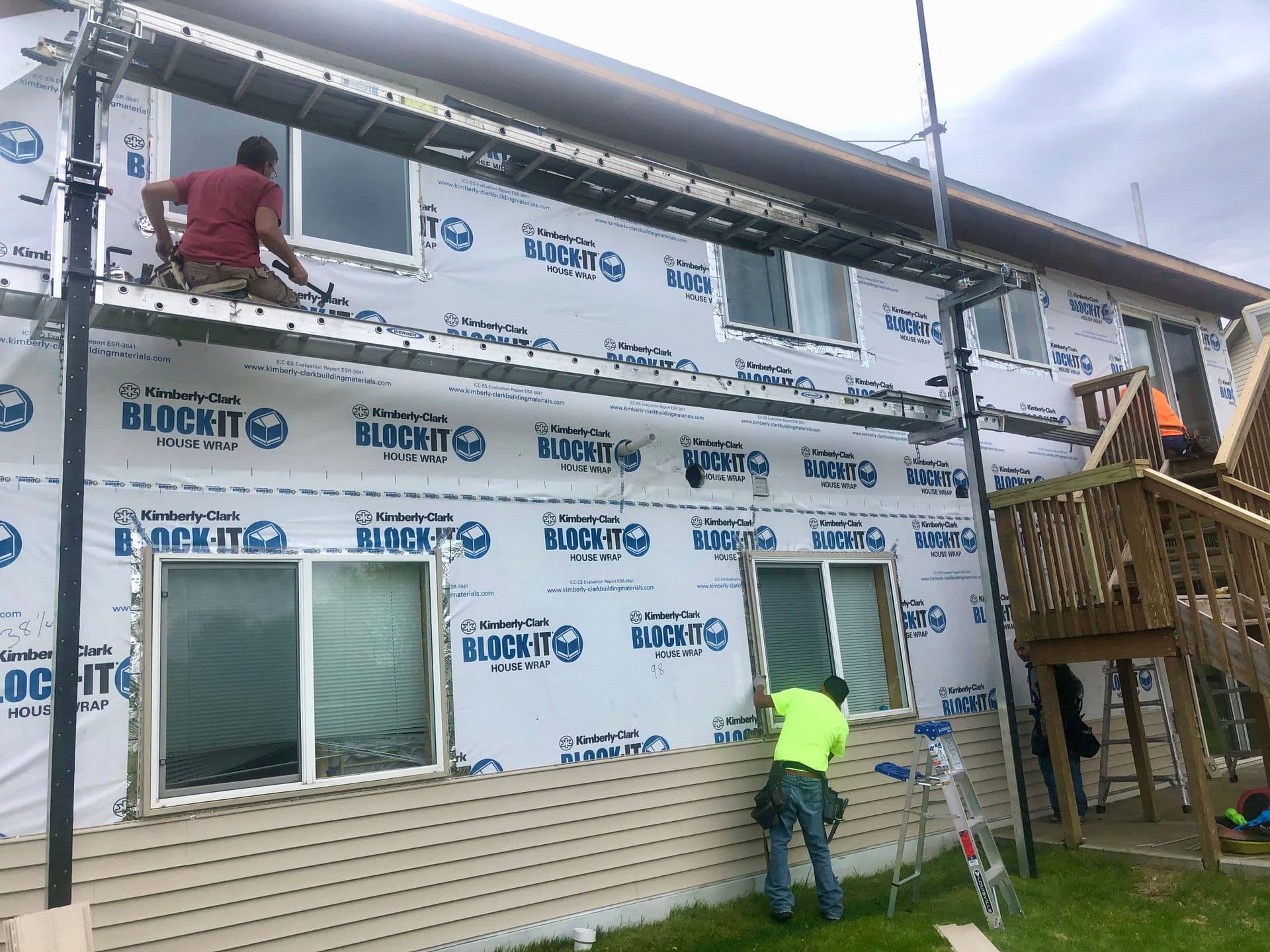
I've been called to look at SmartSide that failed early, and almost every time it traced back to installation, not the product: cut ends left unsealed, no clearance at grade, flashing done wrong around windows. This is exactly why I harp on the installer more than the material. A great product installed carelessly will still fail. Ask any contractor how they handle ground clearance and field-cut edge sealing — if they shrug, keep looking.
Disadvantage #3: Impact and woodpeckers
It's tougher than vinyl and it won't crack like fiber cement can, but engineered wood can still dent or gouge under a hard enough impact — a thrown rock from a mower, hail on a bad day. And yes, in wooded lots around the western suburbs I do occasionally see woodpecker damage. It's not common, and it's usually cosmetic and repairable, but it's a thing that happens to wood-based siding and doesn't happen to fiber cement.
Disadvantage #4: Fire resistance
Fiber cement is non-combustible. Engineered wood is not — it's treated and it performs to code, but it doesn't carry the same non-combustible rating fiber cement does. For most Twin Cities homes this never comes up. If you're in a spot with specific fire-exposure concerns or a code requirement, it's worth knowing the difference.
Disadvantage #5: The warranty has conditions
LP's warranty is genuinely strong — one of the better ones in siding — but like every siding warranty, it assumes the product was installed to spec and maintained (read: painted on schedule). Skip the repaint, or let a bad install go unaddressed, and you can weaken your warranty position. It protects a maintained product, not a neglected one.
So why do I still install it?
Because for a lot of Twin Cities homeowners it's the right call, and the disadvantages are manageable:
- It costs less than James Hardie — usually meaningfully so on a full-house job — while still looking like real wood.
- It's lighter and easier to install, which saves labor and is gentler on the structure.
- It takes paint incredibly well, so you're never stuck with a color you regret — repaint day is also change-your-mind day.
- The engineered treatment is legitimately good against rot and termites when installed right.
- Fewer cut-edge issues than fiber cement in cold weather — Hardie can chip and crack when you're cutting it at 10°F; SmartSide cuts clean.
When SmartSide makes sense (and when I'd point you to Hardie)
Choose SmartSide if: you want the real-wood look, you're value-conscious, you don't mind a repaint every decade or so, and you're hiring an installer who does it right.
Lean toward James Hardie if: you never want to repaint, you want non-combustible siding, or you're in a coastal-humid situation (not really a Minnesota problem). If you're weighing the two, I wrote a full head-to-head — see our LP SmartSide vs James Hardie comparison.
Joe's Note: The single biggest predictor of whether you'll love or hate SmartSide isn't the product — it's who installs it and whether you keep up with paint. I've seen 15-year-old SmartSide that looks great and 4-year-old SmartSide that's swelling at the bottom course. Same siding. Different install.
FAQ
What are the main disadvantages of LP SmartSide?
It's engineered wood, so it needs repainting roughly every 7–15 years, it's vulnerable to moisture if installed poorly (unsealed cut edges, no ground clearance), it's combustible unlike fiber cement, and it can dent or take woodpecker damage. Most of these are manageable with a good install and normal upkeep.
How often does LP SmartSide need to be repainted?
Generally every 7 to 15 years in Minnesota, depending on finish, color, and sun exposure. South- and west-facing walls fade first. Budgeting for a repaint about once a decade is the realistic expectation.
Does LP SmartSide rot?
The SmartGuard treatment resists rot and insects well, but the core is wood fiber, so water intrusion from a bad install — unsealed cut ends, siding too close to grade, poor flashing — can cause swelling or rot over time. Proper installation is what prevents it.
Is LP SmartSide worse than James Hardie?
Not worse — different. Hardie is non-combustible and holds factory color longer but costs more, is heavier, and can crack when cut in cold — here's my honest Hardie problems list for the full other side. SmartSide costs less, installs easier, and takes paint beautifully but needs repainting and careful moisture detailing. The right pick depends on your priorities.
Can woodpeckers damage LP SmartSide?
It can happen on wooded lots, since it's a wood-based product. It's uncommon and usually cosmetic and repairable, but it's a risk fiber cement doesn't carry.
Is LP SmartSide a good choice for Minnesota homes?
For many homes, yes — it handles our freeze-thaw well when installed correctly, cuts cleanly in cold weather, and offers real-wood looks at a lower cost than Hardie. The keys are a careful installer and keeping up with paint.
Thinking about SmartSide for your home? Call Modern Exterior Systems at 952-206-6339 — I'll walk your house, tell you honestly whether SmartSide or Hardie fits better, and quote it line by line. No pressure. Or request your free estimate online.
Modern Exterior Systems is a women-owned, family-operated roofing and exterior contractor based in Eden Prairie, MN, serving Minneapolis, St. Paul, and 90+ Twin Cities communities. Owner Joe Dvorak brings two decades of hands-on construction experience, is an LP SmartSide Preferred Contractor and James Hardie installer, holds a BBB A+ rating, and backs every residential project with a lifetime workmanship warranty.