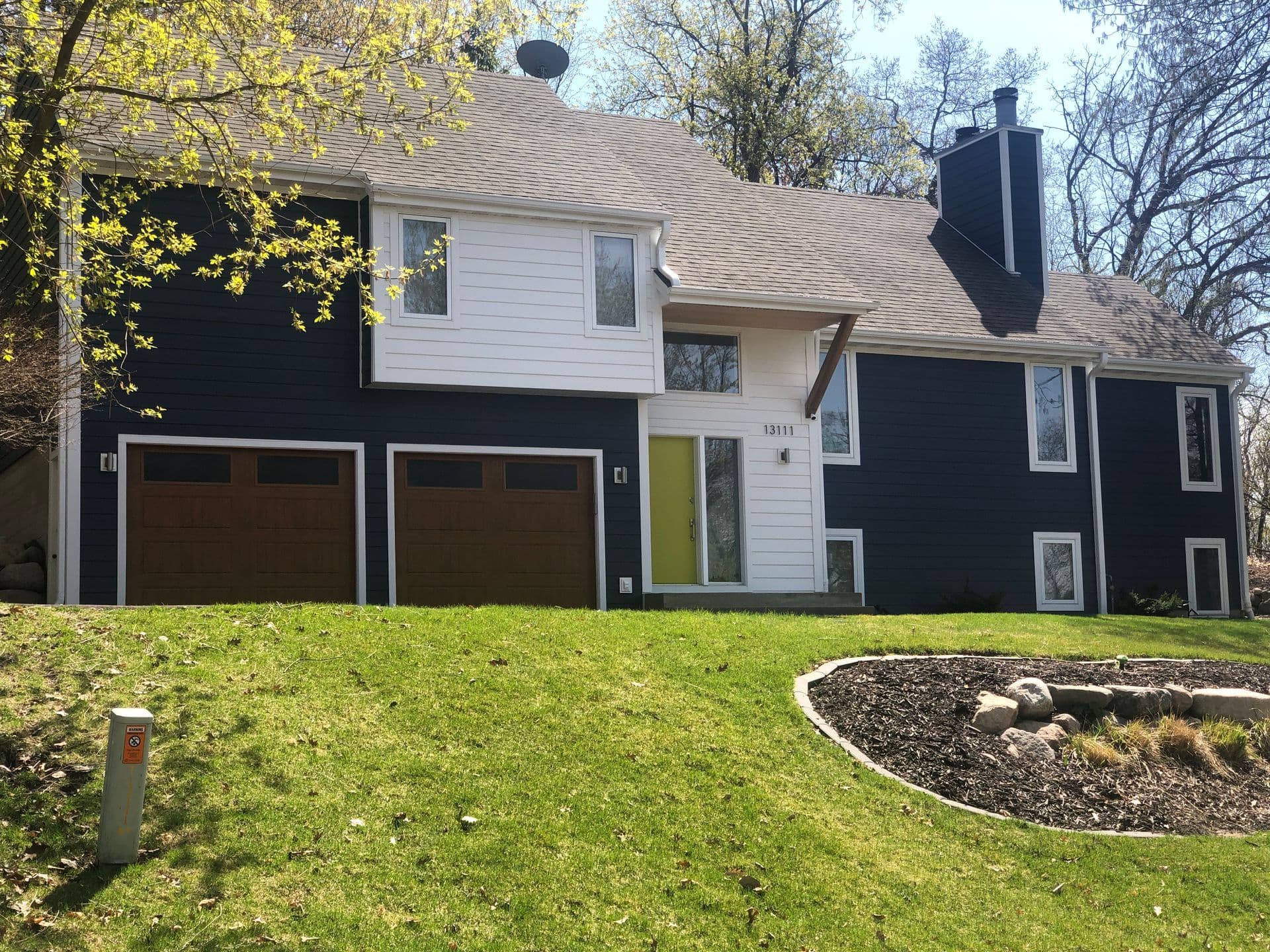

A roof is one of those expenses that doesn't ask permission — it just shows up when the old one fails. And it's a real number — here's what a roof replacement actually costs in Minnesota. So one of the most common conversations I have isn't about shingles at all; it's "Joe, how do people actually pay for this?" After 20 years in the Twin Cities, here's the honest rundown of your options, with the trade-offs of each.
I'm Joe Dvorak. I'm a roofer, not a financial advisor — so take this as a practical map of how homeowners handle it, and talk to your own lender or advisor about what fits your situation.
The Short Answer
The main ways Minnesota homeowners pay for a new roof are: insurance (if it's storm or hail damage), cash or savings, home equity (a HELOC or home equity loan), a personal loan, or contractor financing / payment plans. Insurance is the best deal when it applies, and home equity is usually the lowest-cost borrowing because the rates are lower. The right choice depends on why you're replacing the roof and what you qualify for.
Insurance — When the Roof Was Damaged
If your roof was damaged by a covered event like hail or wind, your homeowners insurance may cover the replacement, minus your deductible. This is the best-case scenario, because most of the cost is covered. Here's how it works on our end: we meet your adjuster on the roof and document the damage; you file the claim with your insurer and pay your deductible. We don't do the insurance paperwork or the claim itself, and no honest contractor in Minnesota will offer to "waive your deductible" — that's illegal here. If your roof is failing from age rather than a storm, insurance won't cover it; that's normal wear, and it's on you. More on that: does homeowners insurance cover roof replacement.
Cash or Savings
If you've got it set aside, paying cash is the cheapest option — no interest, no application, no payments. The downside is obvious: a roof is a big chunk of savings, and not everyone has it ready when the roof decides it's done.
Home Equity (HELOC or Home Equity Loan)
For a planned replacement, borrowing against your home's equity is usually the lowest-cost way to finance it, because home-secured loans typically carry lower interest rates than unsecured ones. A HELOC gives you a line of credit you draw from; a home equity loan is a lump sum at a fixed rate. The trade-off is that your home is the collateral, and setting one up takes a little time — so it works best when you're planning ahead, not in an emergency. Talk to your bank or credit union about current rates and terms.
Personal Loan
An unsecured personal loan is faster to get than a home equity line and doesn't put your house up as collateral, but the interest rate is usually higher. It's a reasonable middle ground when you need to move quickly, don't have much equity, or don't want to borrow against the house.
Contractor Financing and Payment Plans
A lot of homeowners want to keep the whole project in one place, and contractor-arranged financing or payment plans can make a roof manageable in monthly payments rather than one big check. Terms vary, so the thing to do is read what you're signing — the rate, the length, and whether there's a promotional period. We're happy to talk through financing options and what makes sense for your project; just ask when we come out to measure.
Joe's Note
The mistake I hate seeing is a homeowner choosing a worse, cheaper roof — an overlay, a builder-grade shingle, skipped deck repair — purely because of how they're paying for it. Financing exists so you can put the right roof on your house and spread the cost, instead of buying a compromised roof you'll pay for again sooner. If money is the constraint, let's solve the money part directly rather than cutting corners on the part that keeps your house dry.
A Quick Comparison
| Option | Best for | Trade-off |
|---|---|---|
| Insurance | Storm/hail damage | Only covers sudden damage, not age; you pay the deductible |
| Cash / savings | Those who have it set aside | Ties up a big chunk of savings |
| Home equity (HELOC/loan) | Planned replacements | Lowest rate, but home is collateral + takes time to set up |
| Personal loan | Fast, no collateral | Higher interest rate |
| Contractor financing | Keeping it simple, monthly payments | Read the rate and terms carefully |
Frequently Asked Questions
What's the cheapest way to finance a new roof?
If it's storm damage, insurance is the cheapest because it covers most of the cost beyond your deductible. For a planned replacement, paying cash avoids interest entirely, and home equity (a HELOC or home equity loan) is usually the lowest-cost way to borrow because the rates are lower than unsecured options.
Does insurance pay for a new roof in Minnesota?
Insurance typically pays for roof damage from a covered, sudden event like hail or wind — minus your deductible — but not for a roof that's simply worn out from age. After a storm, we meet your adjuster on the roof and document the damage; you file the claim and pay your deductible.
Can I get financing for a roof through my contractor?
Often, yes — many contractors offer financing or payment plans so you can spread the cost over monthly payments. Terms and rates vary by program, so read the agreement carefully. Ask your contractor what options they offer when they come out to quote the job.
Should I use a home equity loan for a roof?
For a planned replacement, it's often the lowest-cost borrowing option because home-secured loans carry lower rates. The trade-offs are that your home is the collateral and setup takes some time, so it's better suited to planning ahead than to an emergency. Check current rates with your bank or credit union.
Is it worth financing a roof instead of waiting and saving?
If the roof is actively failing, waiting usually costs more — a leaking roof damages your deck, insulation, and ceilings while you save. In that case, financing the right roof now is often cheaper overall than delaying. If the roof has real life left, saving up for a planned replacement is perfectly reasonable.
Can a contractor waive my insurance deductible?
No — and you should walk away from any contractor who offers to. Waiving or covering a homeowner's insurance deductible is illegal in Minnesota. A reputable contractor will document the damage for your adjuster, but you are responsible for paying your deductible.
Let's Talk Through the Numbers
When I come out to measure your roof, I'll give you a clear, line-by-line written quote and we can talk through the ways to pay for it — including any financing that makes sense — with no pressure. Modern Exterior Systems serves Eden Prairie, Minneapolis, and 90+ Twin Cities communities. Call 952-206-6339 or request your free estimate online.
Modern Exterior Systems is a women-owned, family-operated roofing and exterior contractor based in Eden Prairie, MN, serving the Twin Cities metro. Owner Joe Dvorak brings 20+ years of hands-on construction experience, CertainTeed ShingleMaster, Malarkey Emerald Pro, and Atlas Pro+ certifications, and a LIFETIME workmanship warranty to every residential project. an A+ rating with the BBB.