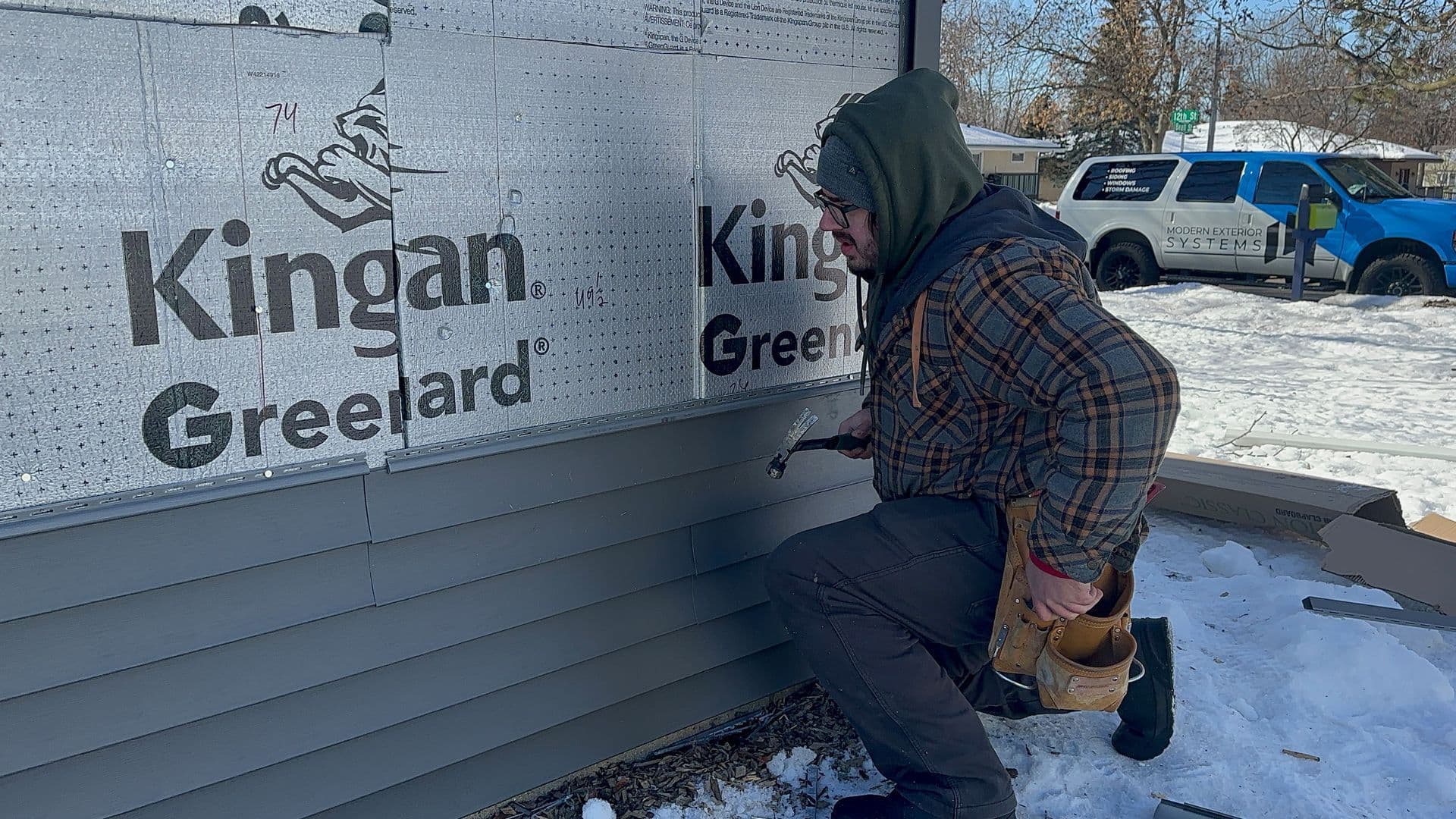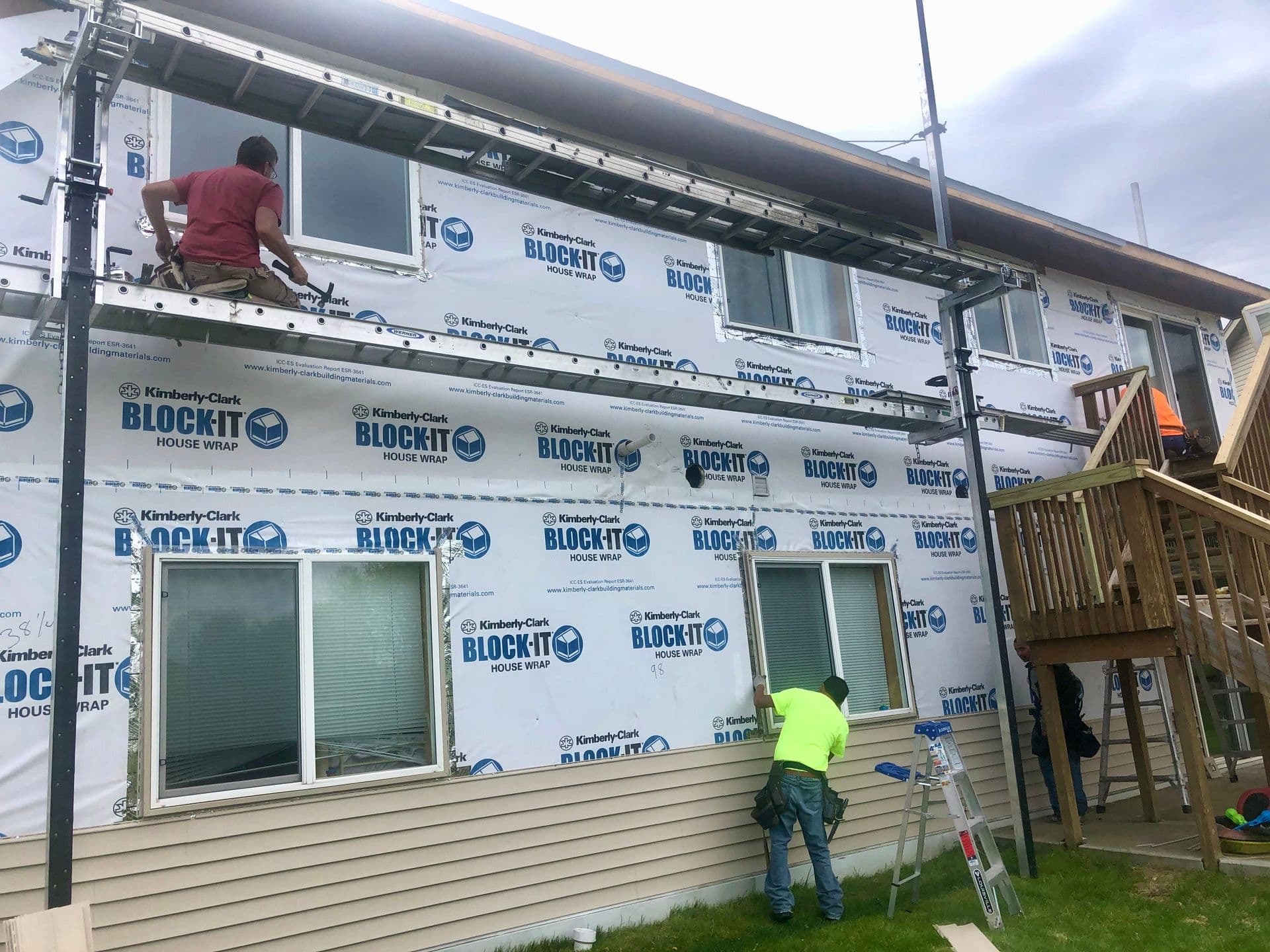
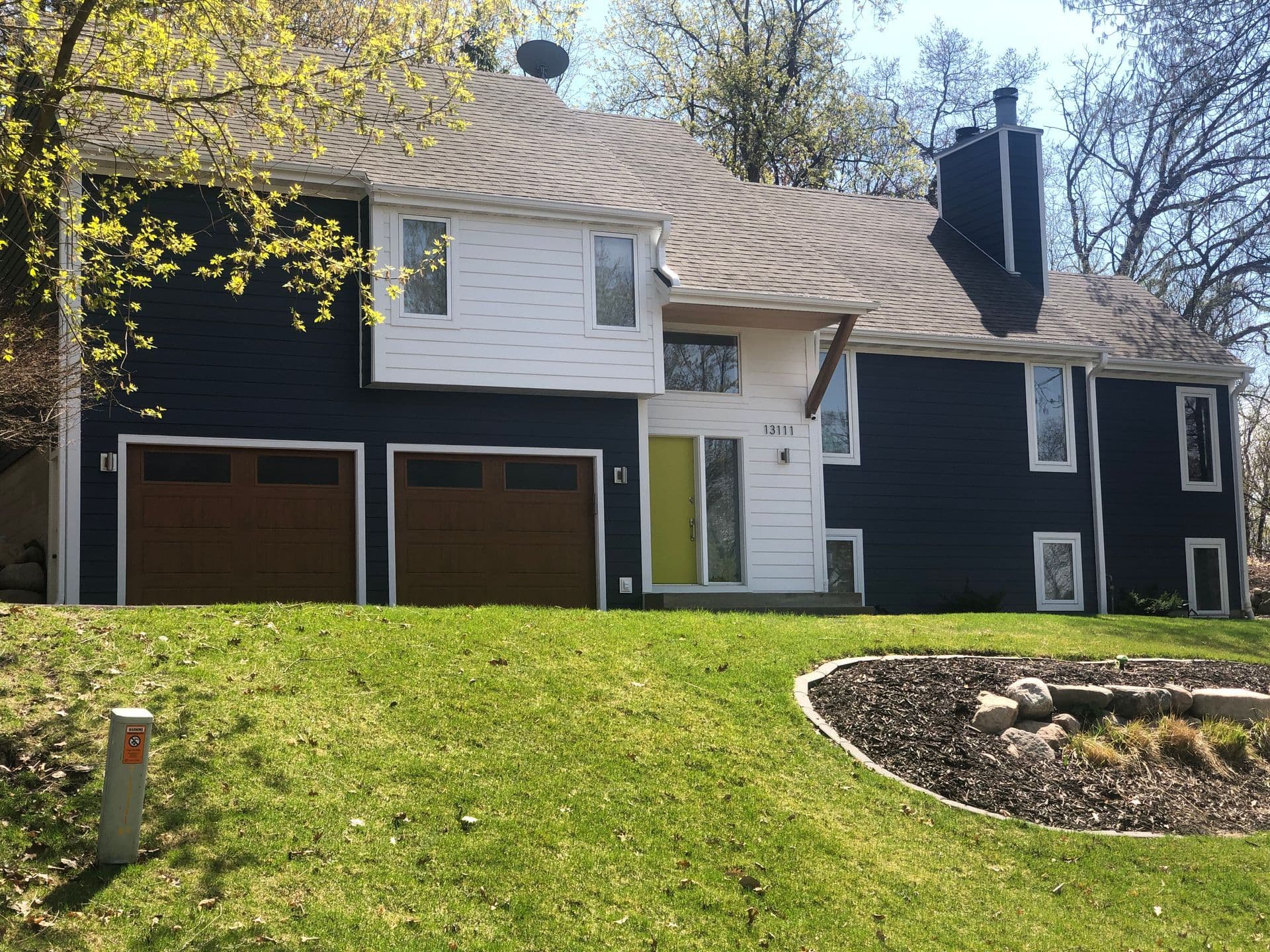
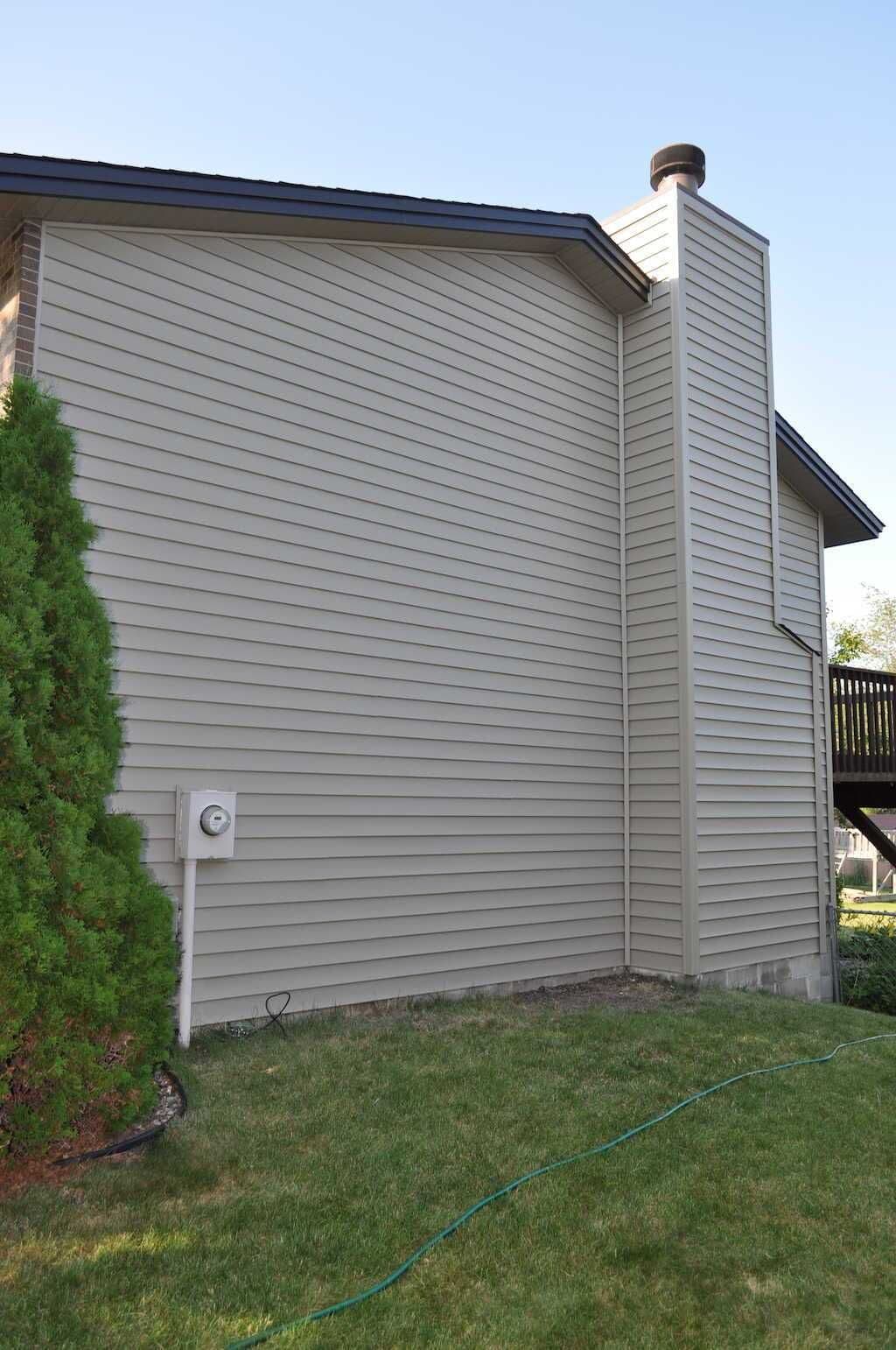
I install siding in a climate that's genuinely hard on it. Minnesota gives us -20°F cold snaps, 95°F summers, hail every few years, and freeze-thaw cycles that find any weak spot and pry it open. A siding material that's "fine" in Tennessee can be a maintenance headache here.
So when someone asks me what the best siding is for a Twin Cities home, I don't give them a brochure answer. Here's how the materials I actually install rank for our climate — with the honest tradeoffs on each.
The Quick Answer
For most Minnesota homes, engineered wood (LP SmartSide) and fiber cement (James Hardie) are the two best choices — they handle our cold, resist impact, and hold paint for decades. Steel is the toughest against hail and dents. Vinyl is the budget pick but gets brittle in deep cold. Cedar is beautiful and high-maintenance.
| Material | MN climate fit | Maintenance | Installed cost / sq ft | Best for |
|---|---|---|---|---|
| Engineered wood (LP SmartSide) | Excellent | Low–medium | $8–$13 | Most homes — value + durability |
| Fiber cement (James Hardie) | Excellent | Low | $10–$16 | Premium, fire/rot resistance |
| Steel (EDCO) | Excellent | Very low | $10–$18 | Hail zones, low-maintenance |
| Vinyl | Fair | Very low | $7–$12 | Tight budgets |
| Cedar | Good (if maintained) | High | $12–$20+ | Historic / high-design homes |
Ranges are installed, Twin Cities, 2026. Real number depends on home size, trim detail, and how much rot repair we find behind the old siding.
1. Engineered Wood — LP SmartSide (my default for most homes)
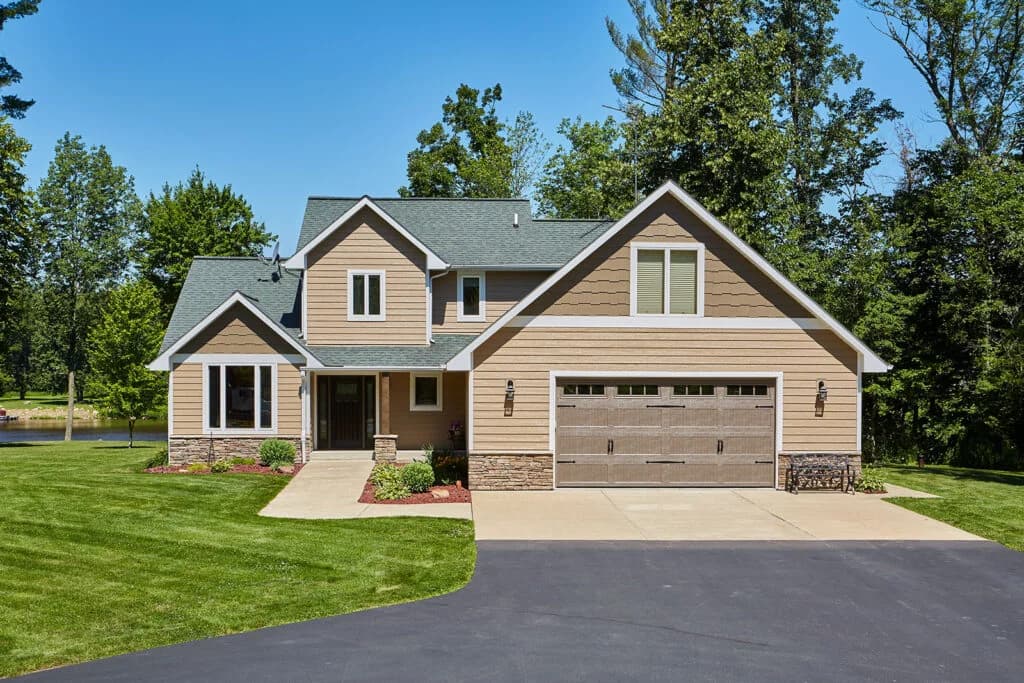
This is what I put on the most Twin Cities homes, and it's what I'd put on mine. LP SmartSide is engineered wood — treated wood strands compressed with resins and a zinc-borate treatment that resists rot, fungus, and termites.
Why it works here: it's got real impact resistance (it won't shatter when a kid's baseball or a chunk of hail hits it at -10°F), it takes and holds paint beautifully, and the long lap boards give you that authentic wood look without cedar's maintenance.
What I don't love: it's wood, so it needs paint, and paint needs refreshing eventually — figure 15+ years on a good coat. It also has to be installed correctly at the bottom edge and around openings, or you can get moisture intrusion. Installation discipline matters more than with some materials.
2. Fiber Cement — James Hardie (the premium pick)
James Hardie is cement, sand, and cellulose fiber. It does not rot, does not burn, and doesn't give insects anything to eat. The color-baked ColorPlus options hold up for a long time. For a premium home where the owner wants maximum durability and a crisp, modern look, Hardie is hard to beat.
What I don't love: it's heavy and brittle to work with — it has to be cut and handled carefully, especially in cold weather, which is why Minnesota Hardie installs need the right crew and conditions. It also costs more than engineered wood for a similar look. And because it's rigid, the install tolerances are tighter.
3. Steel (EDCO) — the toughest against hail
Steel siding is the move if hail keeps you up at night. It resists dents and impact better than anything else on this list, never rots, and is about as low-maintenance as siding gets. In a hail-prone metro, that's a real argument.
What I don't love: the look isn't for everyone — steel reads more contemporary or rustic depending on the profile, and it's not trying to mimic painted wood the way LP does. It's also a premium price point. But for the right home and the right owner, it's a 40-year-and-forget-it material.
4. Vinyl — the budget choice
Vinyl is the cheapest way to re-side a house, it never needs paint, and a quality vinyl in a light color looks fine for years. For a rental, a flip, or a tight budget, it does the job.
What I don't love, specifically for Minnesota: vinyl gets brittle in deep cold. At -20°F, a hard impact can crack it, and cracked panels don't repair — they get replaced. It also fades on the south and west walls over time, and once it fades you can only paint it within strict rules (never darker). I install it when it's the right fit for the budget — I just won't pretend it performs like the engineered products. If you're weighing vinyl head-to-head against engineered wood and fiber cement, I lay out all three in vinyl vs LP SmartSide vs James Hardie.
5. Cedar — beautiful, demanding
Real cedar has been the premium look on Twin Cities homes for a century, and nothing quite matches it freshly stained. On a historic home or a high-design build where the owner wants authentic wood, it's the answer.
What I don't love: the maintenance. Cedar needs sealing or staining every 3–5 years in our climate, individual boards cup and split and need replacing, and the lifetime cost adds up fast. Most homeowners who love the cedar look but not the upkeep end up happier with LP SmartSide or a synthetic cedar alternative.
So Which Should You Choose?
- Most homes, best value: LP SmartSide engineered wood.
- Premium, max durability, fire/rot proof: James Hardie fiber cement.
- Hail country, lowest maintenance: EDCO steel.
- Tightest budget: quality vinyl in a light color.
- Historic / authentic wood look, and you'll maintain it: cedar.
There's no single "best" — there's the best fit for your home, your budget, and how much maintenance you want to sign up for. I'll quote two materials side by side so you can see the cost gap before you commit.
Frequently Asked Questions
What is the best siding material for cold climates like Minnesota?
Engineered wood (LP SmartSide) and fiber cement (James Hardie) are the best all-around choices for Minnesota. Both stay impact-resistant in deep cold, resist rot and moisture, and hold paint or factory color for decades. Steel is the most hail- and dent-resistant. Vinyl works on a budget but gets brittle below zero.
Is LP SmartSide better than vinyl siding in Minnesota?
For durability, yes. LP SmartSide resists impact in cold weather, where vinyl can crack at -20°F, and it gives a truer wood look. Vinyl wins only on upfront cost and zero painting. For most Twin Cities homes planning to stay 10+ years, the engineered wood is the better long-term value — see our full LP SmartSide vs vinyl breakdown.
How much does new siding cost in the Twin Cities?
Installed siding runs about $7–$12 per square foot for vinyl, $8–$13 for LP SmartSide, $10–$16 for James Hardie, and $10–$18 for steel in 2026. On a typical Twin Cities home, full re-siding commonly lands between $15,000 and $40,000 depending on material, size, and any rot repair behind the old siding. See our Minnesota siding cost guide for the full breakdown.
What siding holds up best against hail?
Steel siding holds up best against hail — it resists dents and impact better than any other common material and never cracks the way vinyl can. Fiber cement and engineered wood also handle hail well. Vinyl is the most vulnerable, especially in cold weather when it's at its most brittle.
What's the lowest-maintenance siding for Minnesota?
Steel and vinyl are the lowest maintenance — neither needs painting. Fiber cement is close behind with its baked-on color. Engineered wood needs repainting roughly every 15 years, and cedar needs sealing every 3–5 years. If "never think about it again" is the priority, steel is the top pick.
Can I mix siding materials on one house?
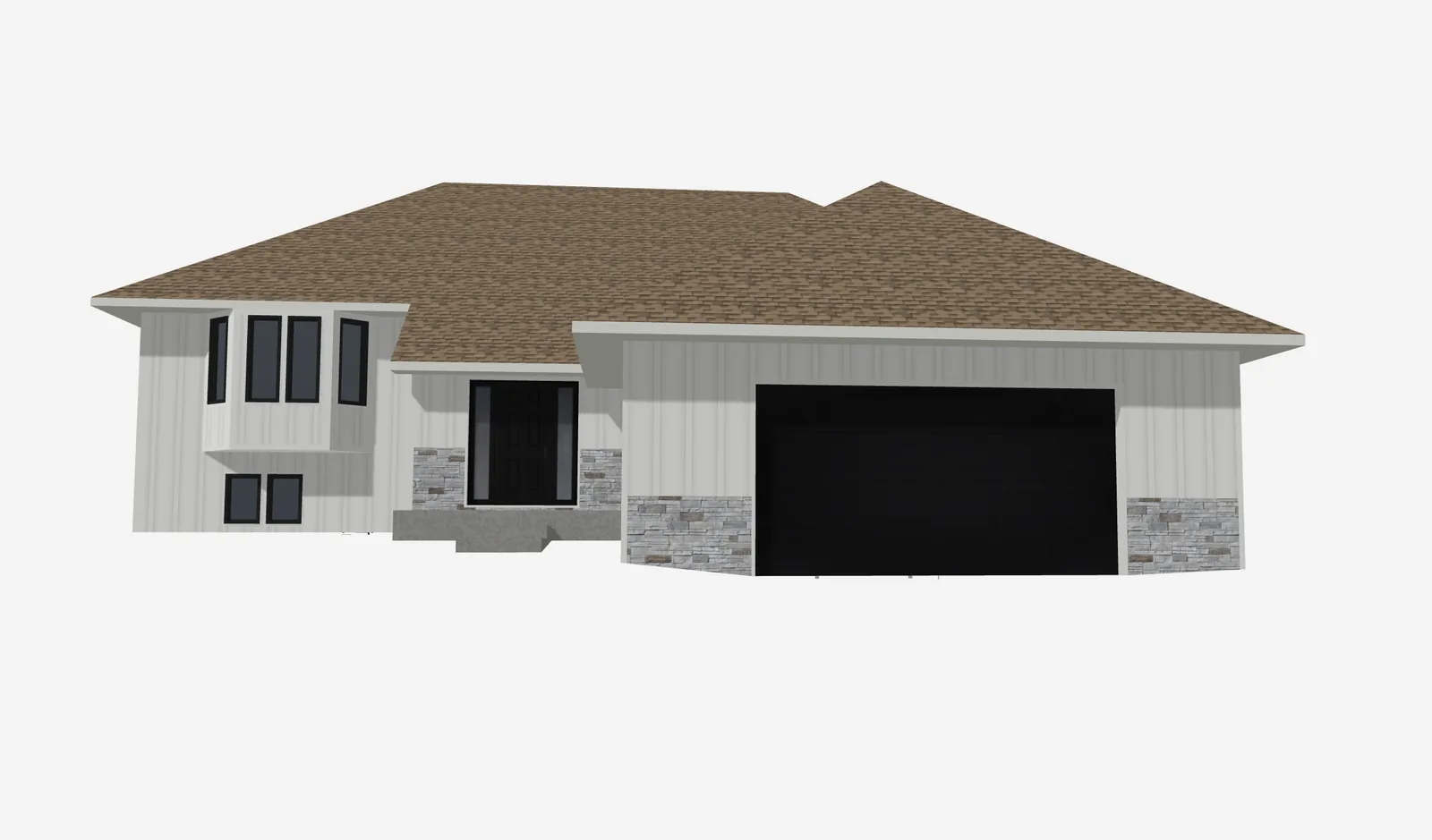
Yes, and it's common on Twin Cities homes — lap siding on the main walls with a shake or board-and-batten accent on gables and entries. Mixing materials or profiles adds architectural interest, and we spec the combinations so the trim details and color transitions actually work together.
Joe's Note
Don't pick siding off a price sheet alone. The cheapest material can cost more over 20 years once you factor in fading, repairs, and repainting. Tell me how long you plan to stay in the home and how much maintenance you're willing to do — that answers the material question faster than anything else.
Trying to decide between siding materials for your home? I'll walk your exterior, show you samples, and quote two materials side by side — line by line, no pressure. Call 952-206-6339 or request your free estimate online.
Modern Exterior Systems is a women-owned, family-operated roofing and exterior contractor based in Eden Prairie, MN, serving the Twin Cities metro. Owner Joe Dvorak brings 20+ years of hands-on construction experience, CertainTeed ShingleMaster and Malarkey Emerald Pro certifications, and a LIFETIME workmanship warranty to every project. an A+ rating with the BBB.