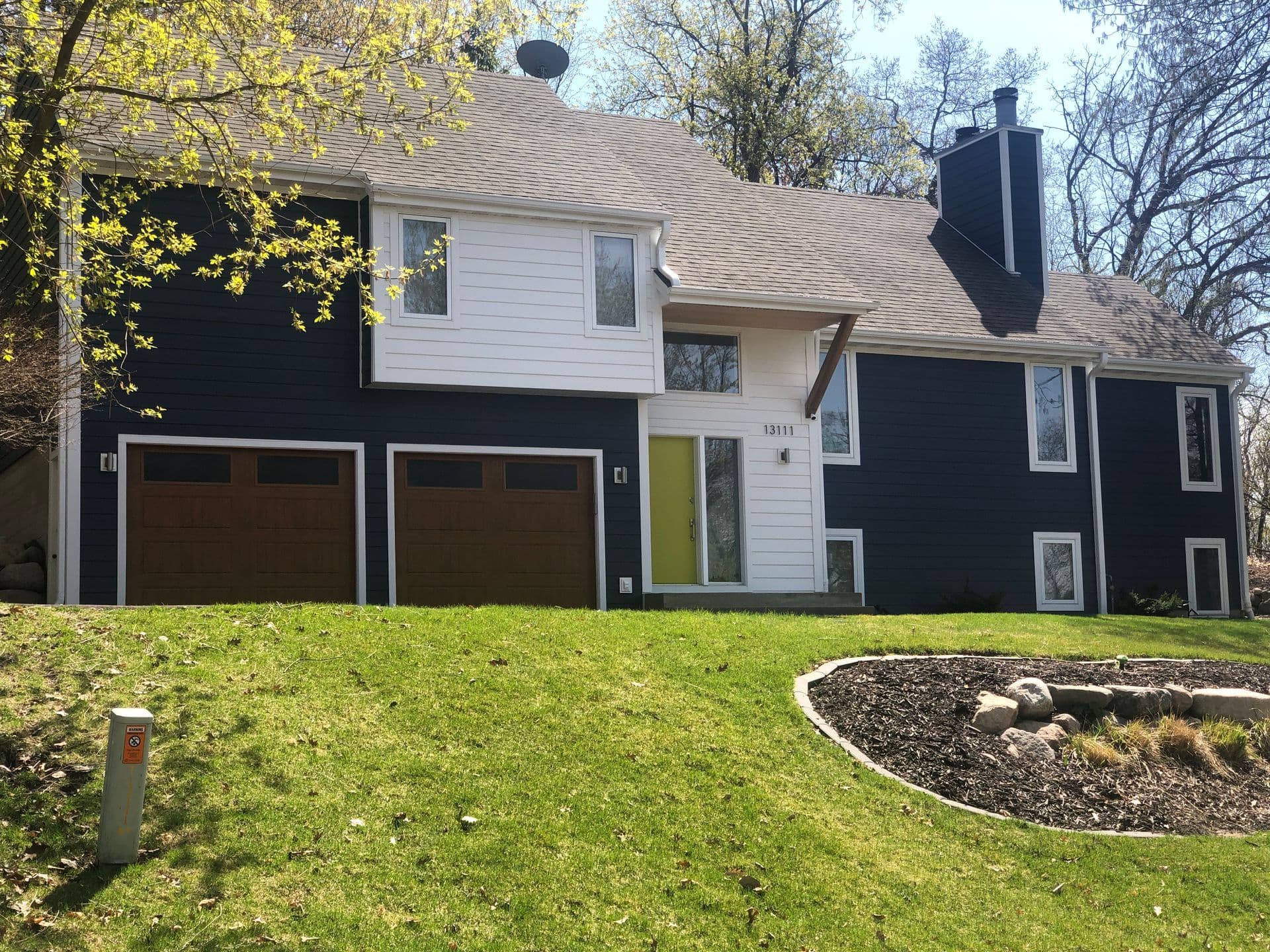
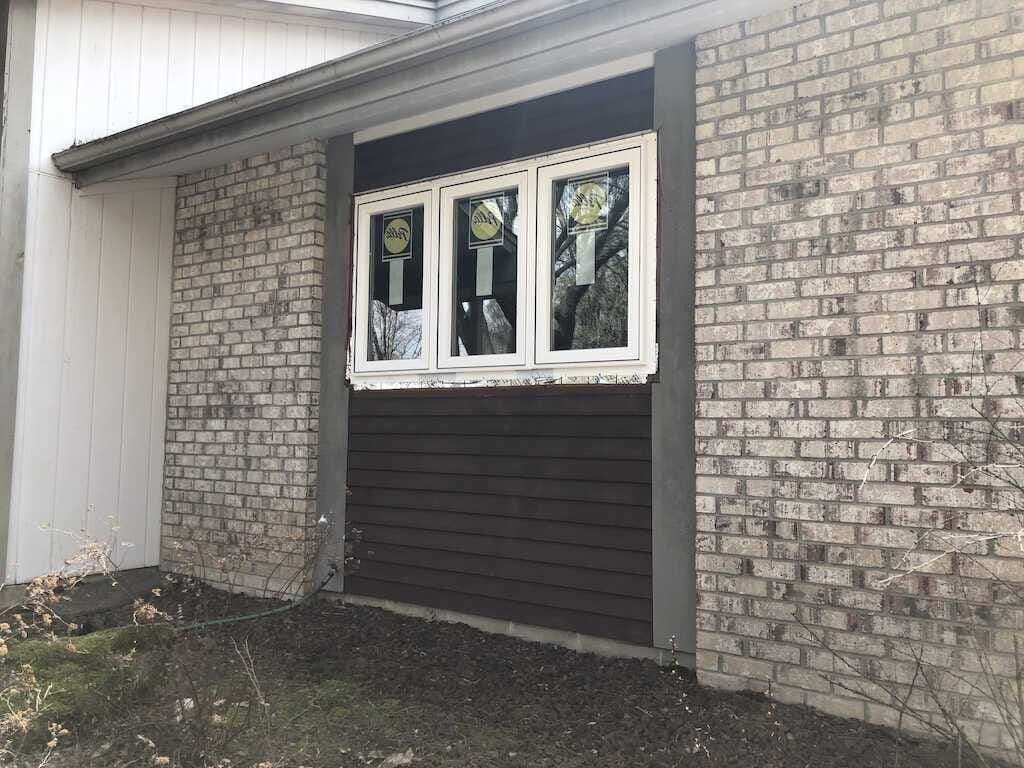
I've stood next to a lot of windows in my socks at -20°F. That's the real test, and it's how I tell homeowners to judge a window: not how it looks in the showroom, but whether you can feel the cold pouring off the glass while you're standing next to it in January. After 20+ years installing windows across the Twin Cities, I can tell you most window failures in Minnesota aren't dramatic. They're a cold draft by the couch, frost on the inside of the sash, and a furnace that never quite catches up.
So let's talk about what actually makes a window survive a Minnesota winter. No brochure talk.
The Short Answer
For our climate you want three things: a low U-factor (0.25 or lower), a tight air seal, and the right glass package — usually triple-pane on the windward and north-facing walls. Get those three right and the brand matters less than you'd think. Get them wrong and the prettiest window on the block will still frost up in February.
Why Minnesota Is Different
Most window marketing is written for the whole country. Minnesota doesn't live in "the whole country." We swing 50 degrees in 24 hours in March. We sit below zero for days. Wind comes off the lakes and finds every seam.
That's why I pay attention to ENERGY STAR's Northern climate zone, not just the ENERGY STAR logo. The newer ENERGY STAR 7.0 standard added a separate, stricter line for Northern zones — lower U-factor and a specific Solar Heat Gain Coefficient (SHGC) target — because a window that's "efficient" in Georgia is not the same window you want in Eden Prairie. When I spec a window here, I'm spec'ing to the Northern numbers.
The Numbers That Actually Matter
U-factor is the big one. It measures how much heat escapes through the whole window — frame, glass, and all. The lower the number, the better it insulates. For a cold climate, you want 0.25 or lower. A good triple-pane setup gets you down into the high-0.1s to low-0.2s. That's the single number I'd circle on any quote.
SHGC (Solar Heat Gain Coefficient) measures how much of the sun's heat the window lets in. In our climate there's a balance — you want some free solar warmth in winter without cooking the house in July. ENERGY STAR Northern sets a target here, and a good installer dials it in by orientation.
Air infiltration is the one homeowners forget, and it's the one you feel. This is rated in CFM per square foot — cubic feet of air leaking through per square foot of window. Lower is tighter. This is exactly where window style starts to matter, which I'll get to.
Glass: Double Pane vs Triple Pane
Double-pane with a Low-E coating and argon gas fill is the baseline. It's a solid, cost-effective package and it's the right call for plenty of windows in a Minnesota home.
Triple-pane adds a third layer of glass and another insulating gas chamber. In a cold northern climate, that extra pane is genuinely worth it — better U-factor, warmer glass surface (less of that cold-radiating-off-the-window feeling), and noticeably quieter. Pella themselves note that triple-pane provides better insulation in colder climates, and I agree. I don't put triple-pane on every opening — it costs more and adds weight — but on the north side and the wind-facing walls, it earns its keep every winter.
Low-E coatings and an inert gas fill (argon, sometimes krypton) are doing quiet work in both packages. Don't skip the Low-E to save money. It's one of the cheapest performance upgrades on the window.
Frame Material: Vinyl vs Wood-Clad
Vinyl frames are the workhorse here — they don't conduct cold the way aluminum does, they never need painting, and the quality lines are genuinely well-built. For most Twin Cities homes, a good vinyl window is the right balance of performance and price.
Wood-clad (wood interior, aluminum or fiberglass exterior) is the premium move — warmer to the touch, beautiful from inside, and built for higher-end homes where the interior look matters. You pay for it, but on the right house it's the right call.
What I steer people away from is bargain aluminum-frame windows. Aluminum is a thermal bridge — it pulls cold straight through the frame and frosts up. Wrong material for this climate.
The Windows I Install Here
I carry ProVia, Kolbe, and Pella, and I pick the line to the house and the budget. (For my full brand-by-brand breakdown, see my honest window reviews.)
ProVia — The Endure vinyl line is my everyday Minnesota recommendation: ENERGY STAR certified, available in triple-pane, and genuinely well-built for the price. The Aeris wood-clad line steps up for homes that want a wood interior. ProVia's whole lineup is built to the ENERGY STAR Northern requirements, which is exactly what I want here.
Kolbe — The VistaLuxe WD line is the high-end pick. It's available in double or triple pane, and a lot of Kolbe's products go beyond standard ENERGY STAR to PHIUS (Passive House Institute) verification — that's a serious cold-climate credential. This is the window for a custom build or a design-driven remodel.
Pella — The Lifestyle Series (wood) and 250 Series (vinyl) both meet or exceed ENERGY STAR in all 50 states and offer triple-pane upgrades. Pella's nice feature is room-by-room performance packages, so you can run triple-pane where you need it and not pay for it where you don't.
All three are good. The differences are price, interior look, and how custom you want to go — not whether they'll survive the winter. They all will, if they're installed right.
Joe's Note: The Install Matters More Than the Sticker
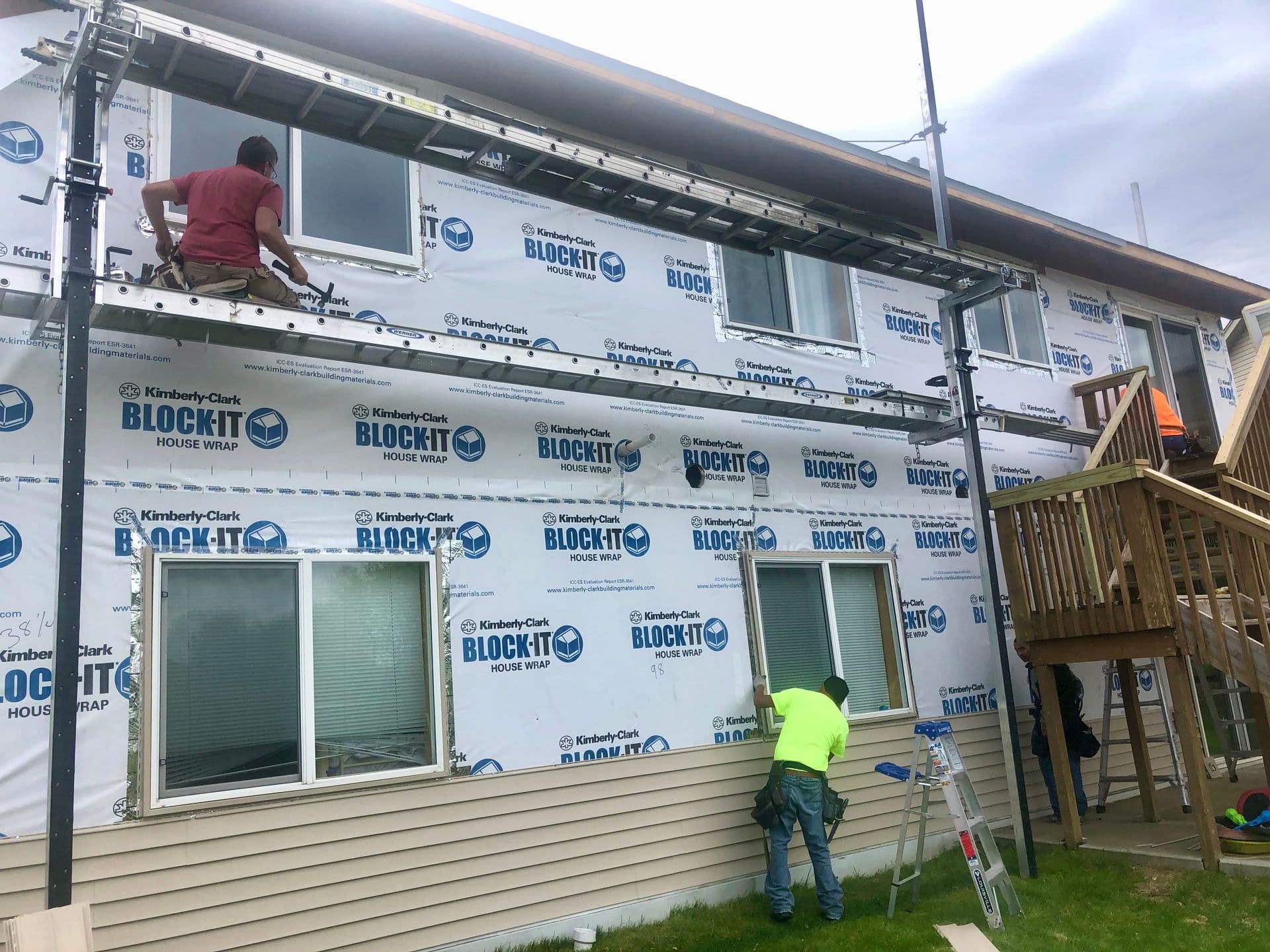
Here's the thing nobody selling you a window will lead with: a top-tier window installed badly will lose to a mid-tier window installed right. If the rough opening isn't sealed and insulated properly, if the flashing's sloppy, if it's not shimmed square — you'll get drafts and frost no matter what the NFRC sticker says. I've torn out two-year-old "premium" windows that were leaking air because whoever set them stuffed the gap with nothing and called it done. Spend your money on the window and the crew.
Frequently Asked Questions
What U-factor should windows have for Minnesota?
Aim for 0.25 or lower. That's the cold-climate target, and triple-pane packages can get you into the high-0.1s to low-0.2s. Lower U-factor means less heat escaping and warmer glass on a -20°F night.
Are triple-pane windows worth it in Minnesota?
On the north side and wind-facing walls, yes — better insulation, a warmer interior glass surface, and less noise. I don't put them on every opening because of cost and weight, but for our winters they earn their place where it counts.
What's the most energy-efficient window style for cold climates?
Casement windows seal tightest because the sash compresses against the frame when you crank it shut — they leak the least air. Double-hung windows are more convenient and cost less but seal a bit looser. Many homes do best with a mix — I break the whole tradeoff down in double-hung vs casement windows.
Should I look for ENERGY STAR or something more specific?
Look for ENERGY STAR certified to the Northern climate zone, not just the logo. The newer 7.0 standard has a stricter Northern line with lower U-factor and a set SHGC. That's the number that fits Minnesota.
Is vinyl or wood-clad better for Minnesota winters?
Both perform well thermally — vinyl doesn't conduct cold and never needs paint, while wood-clad gives you a warmer interior look for a higher price. Avoid bargain aluminum frames; aluminum conducts cold and frosts up.
How much do good replacement windows cost installed in the Twin Cities?
Most quality installed windows land in the $900 to $1,800 per window range depending on line, size, and whether you go triple-pane and wood-clad. I quote line by line so you can see exactly where the money goes.
Ready for real numbers on windows that can take a Minnesota winter? Call Modern Exterior Systems at 952-206-6339. I'll come measure every opening, talk through U-factor and glass packages for your specific house, and give you a detailed written quote — no high-pressure sales. You can also request your free estimate online.
Modern Exterior Systems is a women-owned, family-operated roofing and exterior contractor based in Eden Prairie, MN, serving the Twin Cities metro. Owner Joe Dvorak brings 20+ years of hands-on construction experience installing ProVia, Kolbe, and Pella windows, and backs every residential project with a LIFETIME workmanship warranty. an A+ rating with the BBB.