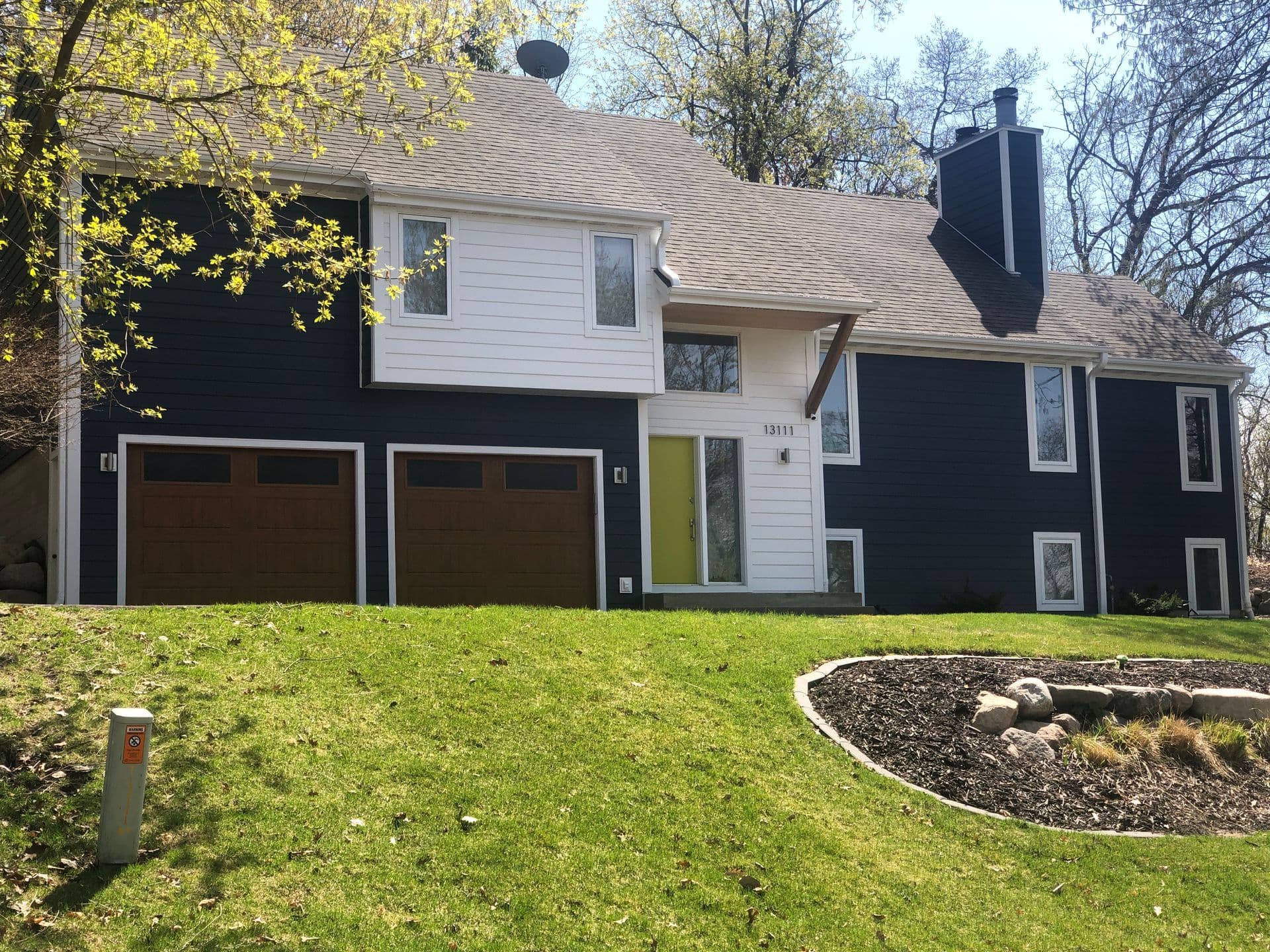
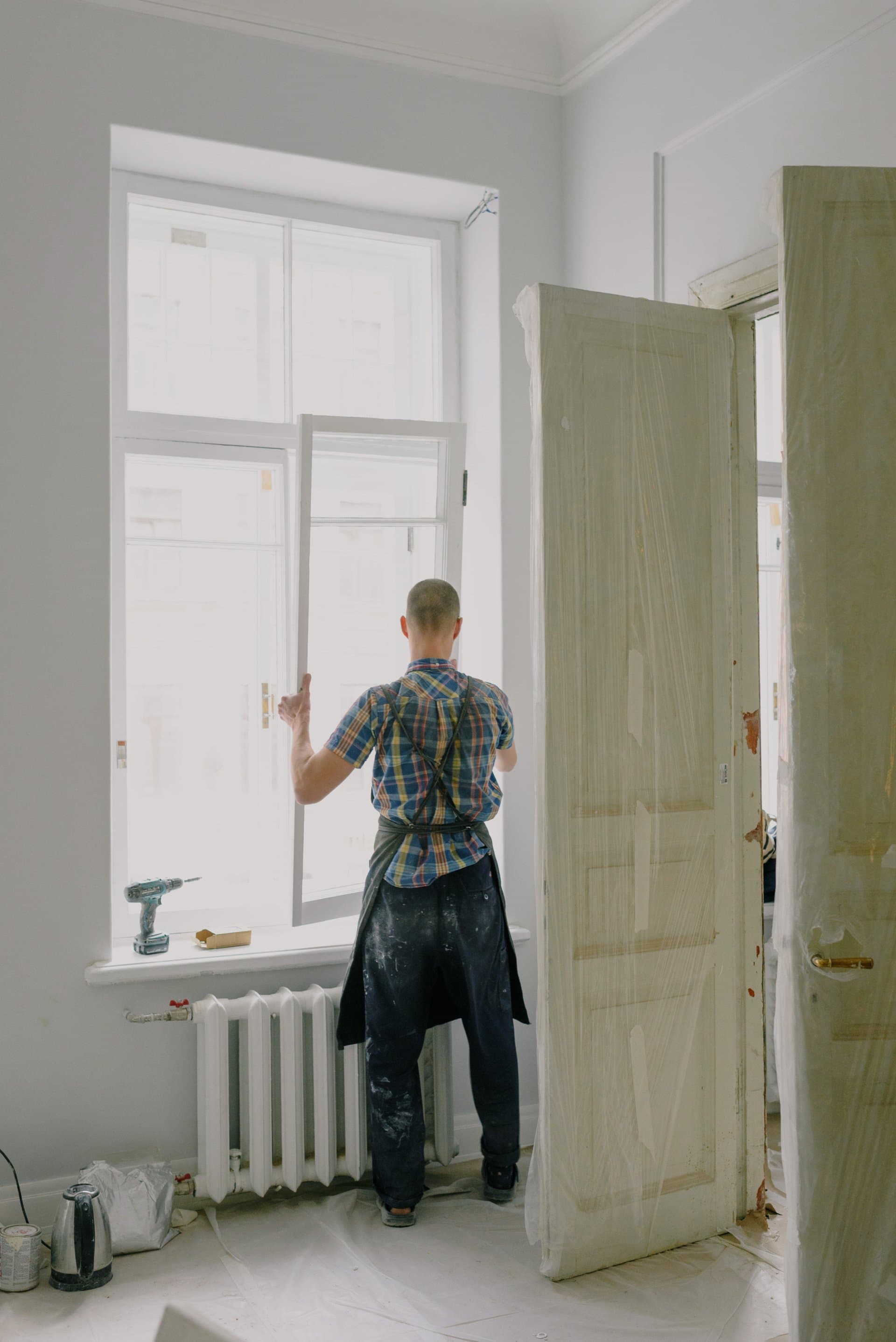
This is one of the first questions I get on every window project, and homeowners are usually surprised by my answer: it's not either/or. I've put both styles on the same house plenty of times, because they're good at different things. After 20+ years setting windows across the Twin Cities, I've learned the right move is to match the style to the wall, not to pick one and run it everywhere.
Let me break down how each one actually works, where each one wins, and how I'd spec them on a Minnesota home.
The Short Answer
Casement windows seal tighter and handle wind and cold better. Double-hung windows are more convenient, usually cost less, and look right on traditional homes. If you want the most energy-efficient option, casement. If you want the classic look and easy operation at a friendlier price, double-hung. Most homes do best with a thoughtful mix.
How Each One Works
A double-hung window has two sashes that slide vertically inside the frame — top and bottom both move. The seal comes from weatherstripping along the sliding tracks and the spring-loaded balances that hold the sashes in place. It's the window most people picture when they picture a window.
A casement window is hinged on the side and swings open like a door when you turn a crank. The important part is what happens when you close it: the crank pulls the sash tight against the frame, compressing the weatherstrip all the way around. That's a compression seal, and it's the whole performance story.
The Air-Sealing Difference (This Is the Big One)
In a cold, windy climate, the compression seal on a casement is a real advantage, and it's measurable. Casement windows typically rate around 0.01 to 0.06 CFM per square foot of air leakage. Double-hungs typically run 0.05 to 0.15. CFM per square foot is just how much air sneaks through — lower is tighter.
Why the gap? Two reasons. First, the seal type: a casement squeezes shut, while a double-hung relies on sashes sliding past weatherstrip, which never seals as tightly as compression. Second, geometry — a double-hung has more seams and more linear feet of weatherstripping for air to find, including that meeting rail in the middle where the two sashes come together.
Over a full Minnesota heating season, across ten or fifteen windows, that difference adds up on your gas bill and in how drafty the house feels. It's not a small thing here.
Where Double-Hung Windows Win
I'm not down on double-hungs — I install a ton of them, and for good reasons:
- The look. On a traditional Twin Cities home — a Colonial, a Cape, a lot of 1990s builds — double-hungs just look right. Casements can look out of place.
- Convenience and cleaning. Modern double-hungs tilt in, so you can clean the outside of the glass from inside the house. Huge on a second story.
- No swing space. They don't open outward, so you can put them over a deck, a walkway, or anywhere a swinging sash would be in the way.
- Cost. Like-for-like, double-hungs usually run a bit cheaper than casements.
- Screens and AC. They take a window AC unit and standard screens without fuss.
Where Casement Windows Win
- The tightest seal. Best air-infiltration numbers, best for cold and wind. On the windward side of the house, this matters.
- Unobstructed view and airflow. No meeting rail across the middle, and they scoop a breeze when you crank them open.
- Hard-to-reach spots. A crank over a kitchen sink beats reaching across to lift a heavy sash.
- Egress. A casement opens its full width, which makes hitting bedroom egress code easier on smaller openings.
The Hybrid Approach (What I Usually Recommend)
Here's how I actually spec most Twin Cities homes: casements on the windward and north-facing walls where the tight seal pays off, and double-hungs everywhere else for the look, the convenience, and the cost savings. You get the energy performance where it counts and you don't overpay where it doesn't. That's the best-of-both approach, and it's almost always smarter than picking one style for the entire house.
ProVia, Kolbe, and Pella — the lines I install — all make both styles, so you're not locked into one brand to mix and match. For more on glass packages and U-factor, see my guide to the best windows for Minnesota winters.
Cost
Installed in the Twin Cities, most quality windows land in the $900 to $1,800 range each, depending on line, size, frame material, and glass package. Casements usually sit a little higher than a comparable double-hung because of the hardware — the crank operator and hinges. The bigger cost drivers, honestly, are triple-pane glass and wood-clad frames, not the style choice. I quote line by line so you can see exactly what each window costs.
A Minnesota-Specific Note
If you've got one wall that takes the brunt of the northwest wind — and most Twin Cities homes do — that's the wall I'd push hardest toward casements with a triple-pane package. It's the wall where you feel the draft, where frost shows up first, and where the tight compression seal does the most good. Everywhere else, do what fits your style and budget.
Frequently Asked Questions
Are casement or double-hung windows better for Minnesota winters?
Casements seal tighter — their compression seal leaks less air (about 0.01–0.06 CFM/sq ft versus 0.05–0.15 for double-hungs), which matters in our cold and wind. Double-hungs are still a solid choice, especially paired with casements on the wind-facing walls.
Do double-hung windows leak more air than casements?
Generally yes. A double-hung has sliding seals and more seams, including the meeting rail in the middle, so it can't seal as tightly as a casement that compresses shut. The difference is modest per window but adds up across a whole house and a full heating season.
Can I mix casement and double-hung windows on the same house?
Absolutely — I recommend it often. Casements on the windward and north walls for the seal, double-hungs elsewhere for the look, convenience, and lower cost. ProVia, Kolbe, and Pella all offer both styles.
Which window style is easier to clean?
Modern double-hungs win here — both sashes tilt inward so you can clean the exterior glass from inside, which is a big deal on upper floors. Casements you typically clean from outside or by reaching through the open sash.
Are casement windows more expensive than double-hung?
Usually a little, because of the crank operator and hinge hardware. But the larger cost factors are triple-pane glass and frame material, not the style itself.
Which is better for bedroom egress?
Casements often make egress easier because they open to their full width, which helps smaller openings meet code. On a larger opening, a double-hung can also meet egress — I check the clear-opening dimensions on every bedroom window.
Not sure which windows fit your house? That's what I'm for. Call Modern Exterior Systems at 952-206-6339 and I'll walk your home, look at each wall and how it faces the wind, and give you a detailed written quote — line by line, casement and double-hung where each makes sense. No high-pressure sales. You can also request your free estimate online.
Modern Exterior Systems is a women-owned, family-operated roofing and exterior contractor based in Eden Prairie, MN, serving the Twin Cities metro. Owner Joe Dvorak brings 20+ years of hands-on construction experience installing ProVia, Kolbe, and Pella windows, and backs every residential project with a LIFETIME workmanship warranty. an A+ rating with the BBB.