

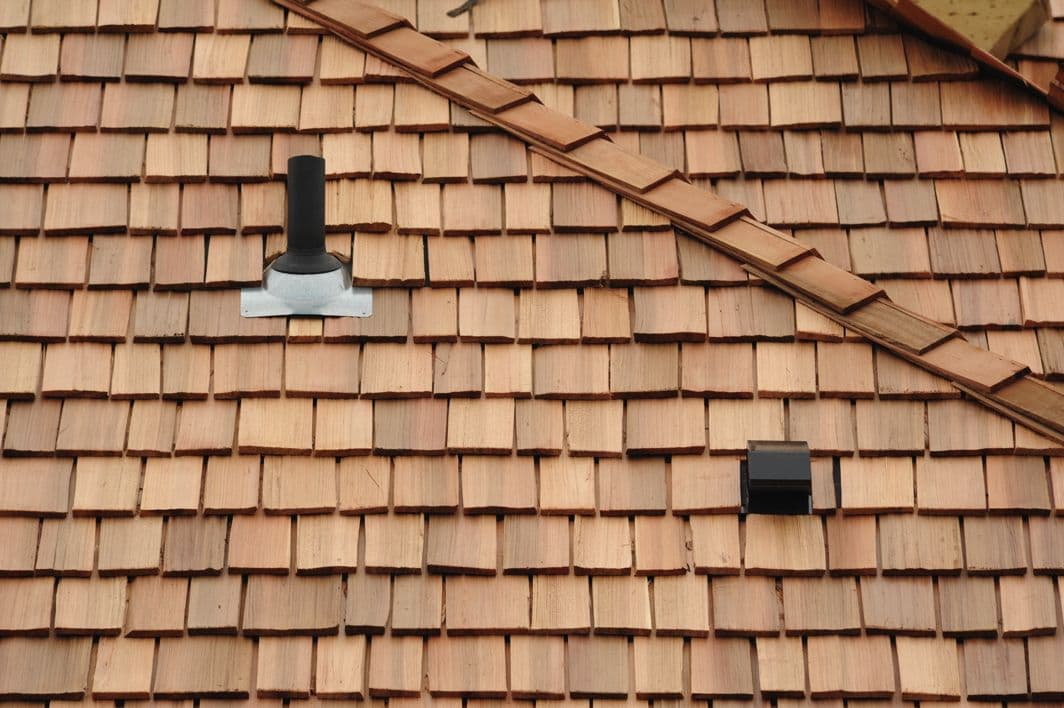
A cedar roof is the only roof you own that's still alive in a sense — it's wood, and wood reacts to water, sun, and shade every single day. I've watched two identical cedar roofs in the same Edina neighborhood age 10 years apart in real-world life, and the difference wasn't the cedar. It was maintenance.
I'm Joe Dvorak, and I've installed and serviced cedar roofs across the Twin Cities for over 20 years. Here's the upkeep that actually matters — and the stuff people waste money on.
The Short Answer
Cedar shake maintenance comes down to four things: keep it clear of debris, keep moss and moss-feeding moisture off it, keep the trees trimmed back so it gets sun and air, and fix small problems before winter. Do those, and a Minnesota cedar roof lives 25 to 30 years. Skip them, and the same roof can be finished in 15. You don't need fancy treatments. You need to keep it dry and clean.
Why Cedar Needs More From You Than Asphalt
Asphalt shingles are inert — they don't care if leaves sit on them. Cedar does. It's organic, so anything that traps moisture against it — leaves, pine needles, moss, shade — feeds rot. Minnesota makes it harder: our freeze-thaw swings drive water into every check and split in the wood, then expand it. Maintenance is really just one idea repeated: keep water from sitting on the wood.
The Maintenance That Actually Matters
1. Keep it clear of debris. This is number one and it's free. Leaves, pine needles, and helicopter seeds collect in the keyways between shakes and in the valleys. That debris holds moisture like a wet sponge, and that's where rot and moss start. Clear it at least every fall, and after big storms. If you've got a lot of tree cover, twice a year.
2. Trim the trees back. Overhanging branches do three bad things: drop debris, block the sun that dries the roof, and cut the airflow that wicks moisture away. The shaded, still air under a big maple is exactly what moss wants. Getting branches up off the roofline is one of the highest-value things you can do for cedar, and most people never think of it.
3. Control moss before it takes hold. A little gray weathering is just cedar aging — leave it alone. Green moss is the enemy, especially on north and east slopes. It holds water against the wood around the clock. Keep it knocked back; don't let a slope go solid green. The wrong way to deal with it is a pressure washer — high pressure tears the soft surface off cedar and takes years off the roof. Gentle is the rule.
4. Keep the gutters flowing. Clogged gutters back water up under the bottom courses of shakes and keep the eave edge wet. On cedar, a wet eave edge is the first place rot shows up. Clean gutters are roof maintenance, not just gutter maintenance.
5. Mind the attic ventilation. This one's invisible and it's huge. A cedar roof breathes from below. If your attic is under-ventilated, moisture and heat build up under the deck, the shakes can't dry properly, and you get rot from the inside out plus ice dams in winter. If you're getting ice dams every year, your ventilation is part of the problem — and so is the lifespan of your cedar.
6. Fix small problems before winter. A slipped shake, a cracked ridge cap, a lifted piece of valley metal — these are 30-minute fixes in October and roof-deck repairs by April if you let snow and ice work on them all winter. The cheapest cedar maintenance there is, is fixing the small stuff in fall.
What About Treatments and Cleaning?
Homeowners ask me about oils, stains, and preservative treatments a lot. Here's my honest position: a good professional cleaning to remove moss and buildup is worth it when a roof needs it. Beyond that, treatments are a maybe, not a must — they can help on the right roof, but they're not magic, they wear off, and a treatment over a roof that isn't kept clean and clear is money down the drain. Spend on the basics first. Debris, trees, moss, ventilation. That's 90% of the result.
Joe's Note
If you only remember one thing: cedar dies in the shade, not the sun. Everybody worries about UV baking their roof, and sun does dry cedar out over decades. But the roofs I replace early — the 15-year roofs that should've been 28 — almost always died on the shaded, damp, debris-packed north slope under a tree. Sun is slow. Standing moisture is fast. Keep it dry and you've won most of the battle.
When Maintenance Isn't Enough Anymore
There's a point where upkeep stops buying you time — widespread cupping and splitting, fasteners letting go across the roof, soft spots in the deck. If you're there, no amount of cleaning brings cedar back. That's the replace conversation, and it's worth doing honestly: re-roof in cedar again, or move to a Class 4 synthetic shake that gives you the cedar look without the maintenance and the insurance headaches. I lay out that whole decision in my guide to wood roofs in Minnesota. And if you just want to know where your roof stands today, start with how to inspect a cedar shake roof.
Frequently Asked Questions
How often should a cedar shake roof be cleaned?
Most Twin Cities cedar roofs benefit from a professional cleaning every few years to remove moss and buildup, more often if the roof is shaded or under heavy tree cover. Debris clearing from valleys and keyways should happen at least every fall and after major storms — that part you can stay on top of yourself.
Can I pressure wash a cedar roof?
No — not with high pressure. Cedar is soft, and a pressure washer strips the weathered surface and drives water into the wood, taking years off the roof. Moss and buildup should be removed with low-pressure, gentle methods. If a contractor wants to pressure-wash your cedar, that's a red flag.
Does a cedar roof need to be treated or stained?
It can benefit from the right treatment, but it's not required, and it's not a substitute for basic upkeep. Keeping the roof clear of debris, controlling moss, and maintaining attic ventilation does far more for cedar's lifespan than any oil or stain. Do the basics first; treat only if the roof actually calls for it.
What kills a cedar roof fastest in Minnesota?
Standing moisture. Shaded north slopes, debris-packed valleys, clogged gutters, and poor attic ventilation all keep the wood wet, and wet wood rots. Trees that block sun and airflow accelerate everything. Sun and UV age cedar slowly; trapped moisture kills it fast.
How do I get moss off my cedar roof?
Gently. Keep it knocked back before it takes over, treat it with appropriate moss control, and never blast it with a pressure washer. For a north slope that's gone heavily green, bring in a contractor who cleans cedar correctly — done wrong, moss removal does more damage than the moss.
How much does cedar roof maintenance cost?
Debris clearing is mostly your time and a ladder. A professional cleaning runs a few hundred to a couple thousand dollars depending on roof size, pitch, and how much moss has built up. It's a fraction of a replacement, which is the whole point — maintenance is what pushes the replacement years down the road.
Want a Straight Answer on Your Cedar Roof?
Whether you need a cleaning, a few fall repairs, or an honest opinion on how many years your cedar roof has left, I'll come take a look and tell you straight. Modern Exterior Systems serves Eden Prairie, Minneapolis, and 90+ Twin Cities communities. No high-pressure sales, just a real assessment. Call 952-206-6339 or request your free estimate online.
Modern Exterior Systems is a women-owned, family-operated roofing and exterior contractor based in Eden Prairie, MN, serving the Twin Cities metro. Owner Joe Dvorak brings 20+ years of hands-on construction experience, CertainTeed ShingleMaster, Malarkey Emerald Pro, and Atlas Pro+ certifications, and a LIFETIME workmanship warranty to every residential project. an A+ rating with the BBB.